avatarObinna Uruakpa

Free AI web copilot to create summaries, insights and extended knowledge, download it at here

3186

Abstract

fferences. Sexism. Racism. Ageism. Nepotism, etc., etc. Lines get drawn. Walls are built.</p><p id="8ff1">It’s possible, but I can’t be too certain about this; that may be why I write poetry instead of essays to avoid the dumping of tags and labels on things. So instead of saying the animal is an elephant, which does not look like any other commonly known animal, I may prefer to imagine that right the blind men who touched and described the various body parts of the elephant <i>saw</i> much better. That’s because they took their time. They got closer. They also felt.</p><figure id="2f1a"><img src="https://cdn-images-1.readmedium.com/v2/resize:fit:800/0*B6i6o9LNqqS6TBu2"><figcaption>Photo by <a href="https://unsplash.com/@inbetween?utm_source=medium&amp;utm_medium=referral">Inbetween Architects Jerome Charignon</a> on <a href="https://unsplash.com?utm_source=medium&amp;utm_medium=referral">Unsplash</a></figcaption></figure><p id="553a">Those blind men may have done a much better job than those who could see the elephant.</p><p id="555e">So, having that power of observation and even going beyond what the ordinary eyes see is a gift. Honoring that gift is going into the art of using it to get others to see what they miss when we name what we see and walk on.</p><p id="7af4"><i>Perspectives most times trump reality</i>. Yes, because the former is easier to define and recognizes the differences in our appreciation of things around us. <b>How things appear may not be how they really are.</b> And how they really are this minute may differ from how they will be in the next minute.</p><p id="9c12"><b>Not as you think</b> Growing up, I saw on the dusty roads of Africa many trucks and buses with the motto or defining philosophy of the driver or owner inscribed on them. Some ideas were funny, others made you think, and others were wise sayings. There were also memorable verses from the scriptures. One of such sayings that got me thinking all the time was NOT AS YOU THINK. It made me wonder how the writer knew what I thought. I was too young to remember to say back the same words to whoever: <i>And Not As You Too Think!</i></p><figure id="869d"><img src="https://cdn-images-1.readmedium.com/v2/resize:fit:800/0*BrRATAVA1NE_5jNI"><figcaption>Photo by <a href="https://unsplash.com/@rouichi?utm_source=medium&amp;utm_medium=referral">Azzedine Rouichi</a> on <a href="https://unsplash.com?utm_source=medium&amp;utm_medium=referral">Unsplash</a></figcaption></figure><p id="77f5">Believing we know what is at the end of the journey sometimes wipes away that sense of adventure and awe. We take off bored and arrive bored and tired. We miss the gloriousness of this wacky life.</p><p id="378e">I find a sense of sober maturing in the struggle to find the right words that may convey and not distort the picture before my eyes. And before I sign off on those words, I invite the listener or the reader to extend the frontier of descriptions in his own words. A few quotes from other writers on that or related subject are our license to grapple to see things our own way and our claim to the right to be wrong because nothing is definitive yet. A broader picture coul

Options

d emerge. Here, everything is in flux.</p><figure id="6379"><img src="https://cdn-images-1.readmedium.com/v2/resize:fit:800/0*2Q5vKYG8jI2-XIER"><figcaption>Photo by <a href="https://unsplash.com/@marcojodoin?utm_source=medium&amp;utm_medium=referral">Marc-Olivier Jodoin</a> on <a href="https://unsplash.com?utm_source=medium&amp;utm_medium=referral">Unsplash</a></figcaption></figure><blockquote id="5255"><p>“Perception is not always reality. And reality is not always the same as what we perceive. Because human senses can be wrong, and humans can give different interpretations of what they see, hear, taste and feel. That is why we cannot rely completely on one thought. Thought cannot always give a definite conclusion. Human conclusions tend to be relative and uncertain. He is always at a distance from the truth.” ― <b>Titon Rahmawan</b></p></blockquote><blockquote id="ae8a"><p>“Everything in your mental life proceeds in proper neurological order. If you could have sufficient insight into all the inner and outer parts of your mental life, along with remembrance and intelligence enough to consider all the circumstances and take them into account, you would be a true prophet and visualize the future in the present as in a mirror.” ― <b>Abhijit Naskar </b>“I am aware that when we see something, we are getting only a measure of information, a sense, an inkling of what is really there to see. I don’t know the details or the terminology but I do know that the optic nerve is not telling the full truth. We’re seeing only intimations. The rest is our invention, our way of constructing what is actual, if there is any such thing, philosophically, that we can call actual.” ― <b>Don DeLillo </b>“If you could have sufficient insight into all the inner and outer parts of your mental life, along with remembrance and intelligence enough to consider all the circumstances and take them into account, you would be a true prophet and visualize the future in the present as in a mirror.” ― <b>Abhijit Naskar</b></p></blockquote><figure id="2db1"><img src="https://cdn-images-1.readmedium.com/v2/resize:fit:800/0*jjoXiSdS_FW7zITK"><figcaption>Photo by <a href="https://unsplash.com/@mbaumi?utm_source=medium&amp;utm_medium=referral">Mika Baumeister</a> on <a href="https://unsplash.com?utm_source=medium&amp;utm_medium=referral">Unsplash</a></figcaption></figure><p id="0366" type="7">Follow The Hub Publication for practical tips and inspiring stories.</p><div id="fb5e" class="link-block"> <a href="https://thehubpublication.com/write-for-the-hub-publication-submission-requirements-a61189d5e011"> <div> <div> <h2>Write For The Hub Publication — Submission Requirements</h2> <div><h3>We amplify your bold voice and deliver your inspiring stories to our curious and hungry readers.</h3></div> <div><p>thehubpublication.com</p></div> </div> <div> <div style="background-image: url(https://miro.readmedium.com/v2/resize:fit:320/1*eNdgs40jLpghmf2_2Ccm0g.png)"></div> </div> </div> </a> </div></article></body>

Tags and Labels Deprive Us of the Adventure

When we see something, we are getting only a measure of information, a sense, an inkling of what is really there to see
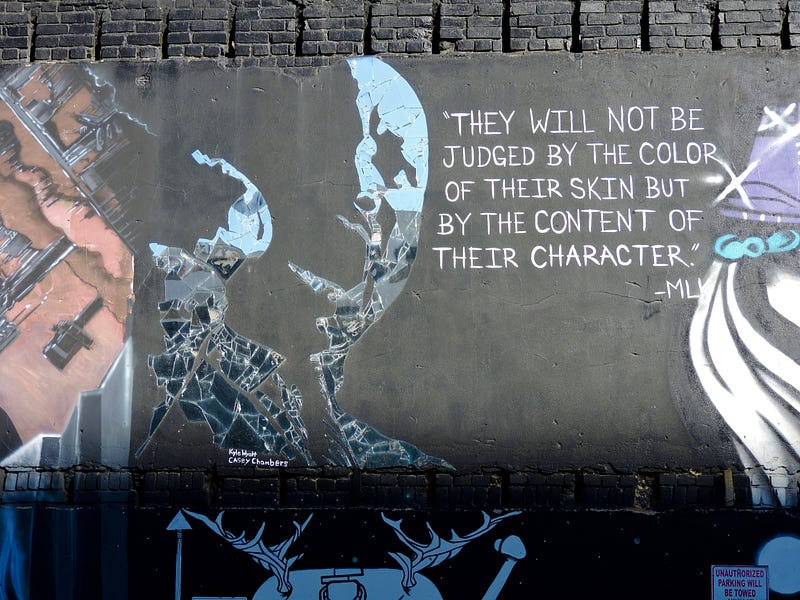
Photo by LeeAnn Cline on Unsplash

I try not to name things. It is easy to use our impressions as the names of things and to hope others will buy into our labels of those things. Naming, tagging, and labeling could distract from extracting meaning from what is being said. If you pay serious attention, you will notice how lazy (example of my next point) it is to stick a tag to things rather than telling us what they are. At least from your viewpoint. The way you see it.

It smirks of mental lassitude, of the absence of the drive to wrack the brain for descriptions that widen the scope and broaden the picture.

I will break it down. Every gift is a burden because it demands justification and proof that it’s deserved, even as a gift. It is a waste if not put to use. It is in using it we validate the decision of the one who gave it to us. We prove with the application that it is required and that it’s valued. Use it or lose it could also read Use it to own it.

How? There’s always a price tag. Nothing goes for nothing. Something goes out, and something must replace it. It’s called balance. It is Consideration, in law books. The measure of the tangible value of what replaces it is another matter. What matters is that you gave something in return. It may be bigger or smaller in size or value. What’s given in return may be that sense of satisfaction the donor gets from being able to help. That is also where heartfelt gratitude becomes important.

And beyond the demands of law books, a token of appreciation is enough acknowledgment. That's why mothers kept teaching us always to say thanks.

We digress to set the tracks. Whoopee! Digressing to set the tracks? Did you see that?

Photo by Damián Fernández on Unsplash

When you name things using nouns or adjectives most times rather than bringing clarity to the object, idea, or event, you suck away curiosity about them and leave us with your definitions as being definitive of the matter. You compel us to swallow it or to pigeonhole it rather than chewing on it to get all the tastes or looking at it more closely to see its shapes and forms.

Stereotypes breed hasty conclusions. And from there, other issues arise. Bias. Discrimination. Focus on differences. Sexism. Racism. Ageism. Nepotism, etc., etc. Lines get drawn. Walls are built.

It’s possible, but I can’t be too certain about this; that may be why I write poetry instead of essays to avoid the dumping of tags and labels on things. So instead of saying the animal is an elephant, which does not look like any other commonly known animal, I may prefer to imagine that right the blind men who touched and described the various body parts of the elephant saw much better. That’s because they took their time. They got closer. They also felt.

Photo by Inbetween Architects Jerome Charignon on Unsplash

Those blind men may have done a much better job than those who could see the elephant.

So, having that power of observation and even going beyond what the ordinary eyes see is a gift. Honoring that gift is going into the art of using it to get others to see what they miss when we name what we see and walk on.

Perspectives most times trump reality. Yes, because the former is easier to define and recognizes the differences in our appreciation of things around us. How things appear may not be how they really are. And how they really are this minute may differ from how they will be in the next minute.

Not as you think Growing up, I saw on the dusty roads of Africa many trucks and buses with the motto or defining philosophy of the driver or owner inscribed on them. Some ideas were funny, others made you think, and others were wise sayings. There were also memorable verses from the scriptures. One of such sayings that got me thinking all the time was NOT AS YOU THINK. It made me wonder how the writer knew what I thought. I was too young to remember to say back the same words to whoever: And Not As You Too Think!

Photo by Azzedine Rouichi on Unsplash

Believing we know what is at the end of the journey sometimes wipes away that sense of adventure and awe. We take off bored and arrive bored and tired. We miss the gloriousness of this wacky life.

I find a sense of sober maturing in the struggle to find the right words that may convey and not distort the picture before my eyes. And before I sign off on those words, I invite the listener or the reader to extend the frontier of descriptions in his own words. A few quotes from other writers on that or related subject are our license to grapple to see things our own way and our claim to the right to be wrong because nothing is definitive yet. A broader picture could emerge. Here, everything is in flux.
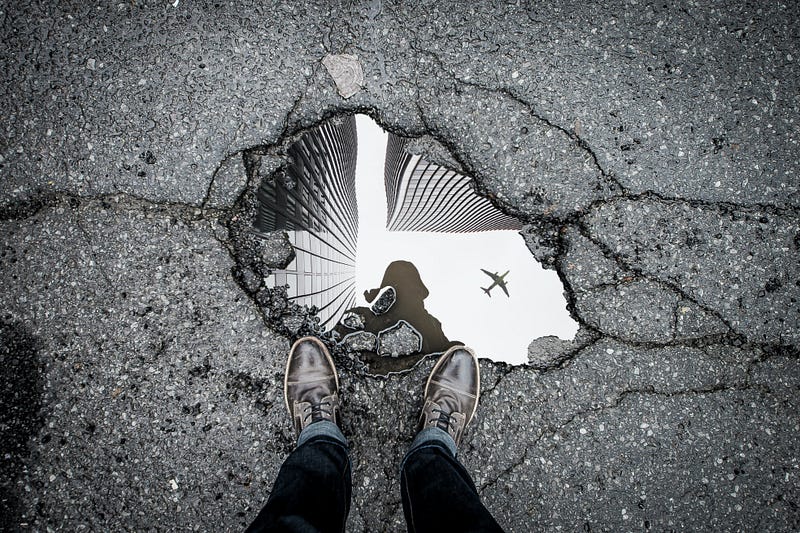
Photo by Marc-Olivier Jodoin on Unsplash

“Perception is not always reality. And reality is not always the same as what we perceive. Because human senses can be wrong, and humans can give different interpretations of what they see, hear, taste and feel. That is why we cannot rely completely on one thought. Thought cannot always give a definite conclusion. Human conclusions tend to be relative and uncertain. He is always at a distance from the truth.” ― Titon Rahmawan

“Everything in your mental life proceeds in proper neurological order. If you could have sufficient insight into all the inner and outer parts of your mental life, along with remembrance and intelligence enough to consider all the circumstances and take them into account, you would be a true prophet and visualize the future in the present as in a mirror.” ― Abhijit Naskar “I am aware that when we see something, we are getting only a measure of information, a sense, an inkling of what is really there to see. I don’t know the details or the terminology but I do know that the optic nerve is not telling the full truth. We’re seeing only intimations. The rest is our invention, our way of constructing what is actual, if there is any such thing, philosophically, that we can call actual.” ― Don DeLillo “If you could have sufficient insight into all the inner and outer parts of your mental life, along with remembrance and intelligence enough to consider all the circumstances and take them into account, you would be a true prophet and visualize the future in the present as in a mirror.” ― Abhijit Naskar

Photo by Mika Baumeister on Unsplash

Follow The Hub Publication for practical tips and inspiring stories.

Tag
Labels
Perception
Reality
Education
Recommended from ReadMedium