avatarCaleb Dunn

Free AI web copilot to create summaries, insights and extended knowledge, download it at here

1241

Abstract

ear can often be seen as a sign of weakness, however I disagree.</p><p id="a010">I believe it is the human body's natural instinct to avoid the potential consequences. The heights, the unpredictable nature of the sport, and the reliance on highly regulated equipment all contribute to a heightened awareness of risk.</p><p id="4aa8">Embracing this fear is an integral part of the sport. It prompts climbers to approach each ascent with a heightened focus, meticulous planning of the moves, and a deep respect for the challenges, both physical and mental, that come with conquering the vertical world.</p><figure id="019b"><img src="https://cdn-images-1.readmedium.com/v2/resize:fit:800/1*I2o-yZCX3v0TSFI9R3ei1g.jpeg"><figcaption></figcaption></figure><figure id="1302"><img src="https://cdn-images-1.readmedium.com/v2/resize:fit:800/1*Kx5-l2Ott8EDm7sO2FGvLg.jpeg"><figcaption></figcaption></figure><figure id="96b8"><img src="https://cdn-images-1.readmedium.com/v2/resize:fit:800/1*yRbLvNX5WM6KkrEyyZON6g.jpeg"><figcaption>Old photos from my first year in climbing. Still flirting with the idea of falling.</figcaption></figure><p id="0c66">The fear of falling plays a crucial role in the development of a climber’s skillset. Facing this ini

Options

tial fear head-on becomes a catalyst for personal growth, pushing individuals to confront and overcome their limitations.</p><p id="5efc">Each fall, whether accidental or through pushing the boundaries of personal capability, becomes a valuable learning opportunity, teaching climbers to adapt, improve their technique, and refine their decision-making in high-stakes situations.</p><p id="9ecb">As we climbers build a tolerance and a sense of comfort in falling, we develop a mental fortitude — the ability to stay focused under pressure. Embracing falls as part of the learning process fosters a mindset that views challenges as opportunities for improvement rather than setbacks.</p><p id="ea31">Ultimately, a climber’s journey to suppress the fear of falling is inseparable from the journey to become a proficient and confident climber.</p><figure id="2c07"><img src="https://cdn-images-1.readmedium.com/v2/resize:fit:800/1*RQZqQrgXwD_7tX4K9409zQ.jpeg"><figcaption>Photo taken of Mt Coonowrin and Mt Beerwah while completing another climb on Mt Ngungun.</figcaption></figure><figure id="7f44"><img src="https://cdn-images-1.readmedium.com/v2/resize:fit:800/1*dyQD4Zr0tuDrixGf6THX8Q.png"><figcaption></figcaption></figure></article></body>

T.E.P #11 : Fear of Falling

For climbers such as myself, the ultimate goal is not just to reach the pinnacle of a route but to do so with unwavering determination, skill, and, most importantly, without succumbing to the adrenaline-inducing fear of falling.

As climbers ascend sheer rock faces and navigate challenging routes, we balance between pushing the limits and confronting the inherent risks that make each climb a thrill.

The pursuit of reaching such heights on rock face becomes a challenge between the rock and the human body, where the constant presence of fear adds a gripping dimension when attempting to reach the anchors.
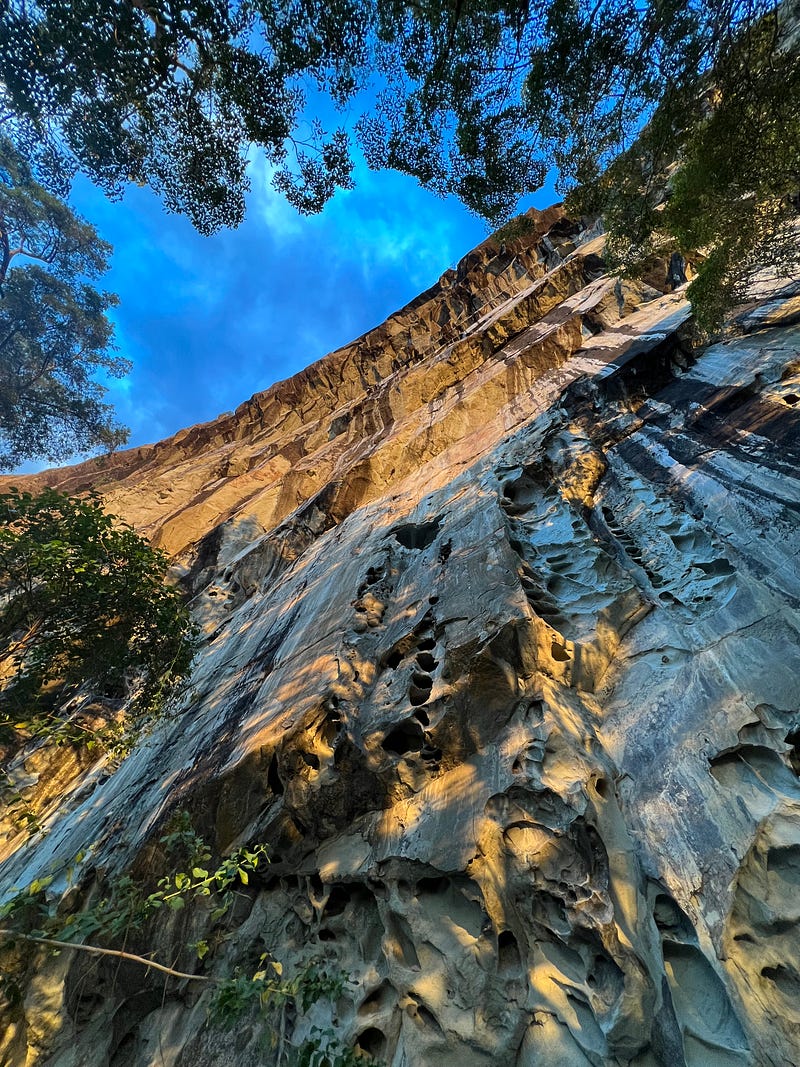
Mt. Beerwah, Glass House Mountains — Base of the ‘organ pipes’

It is perfectly normal to have a sense of fear to fall, as it is a fundamental aspect of the rock climbing experience. As climbers ascend vertical cliffs and pull their body weight up intricate routes, the inherent risks associated with the sport evokes a natural sense of fear.

This fear can often be seen as a sign of weakness, however I disagree.

I believe it is the human body's natural instinct to avoid the potential consequences. The heights, the unpredictable nature of the sport, and the reliance on highly regulated equipment all contribute to a heightened awareness of risk.

Embracing this fear is an integral part of the sport. It prompts climbers to approach each ascent with a heightened focus, meticulous planning of the moves, and a deep respect for the challenges, both physical and mental, that come with conquering the vertical world.
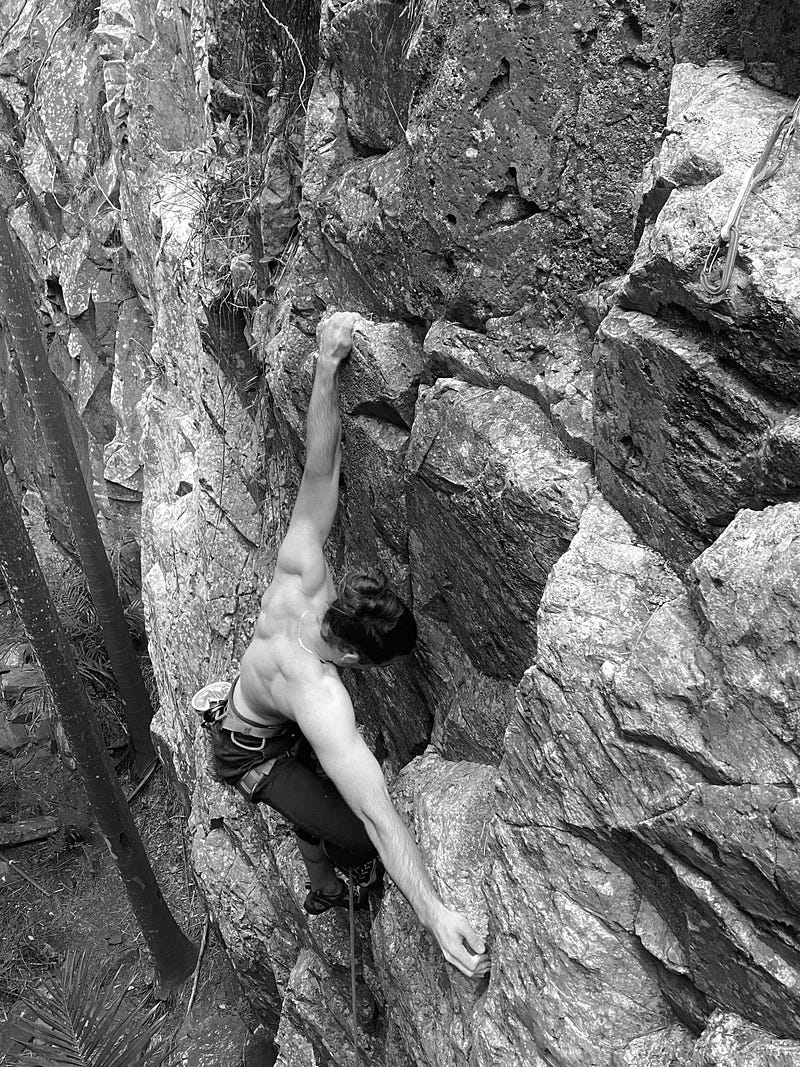
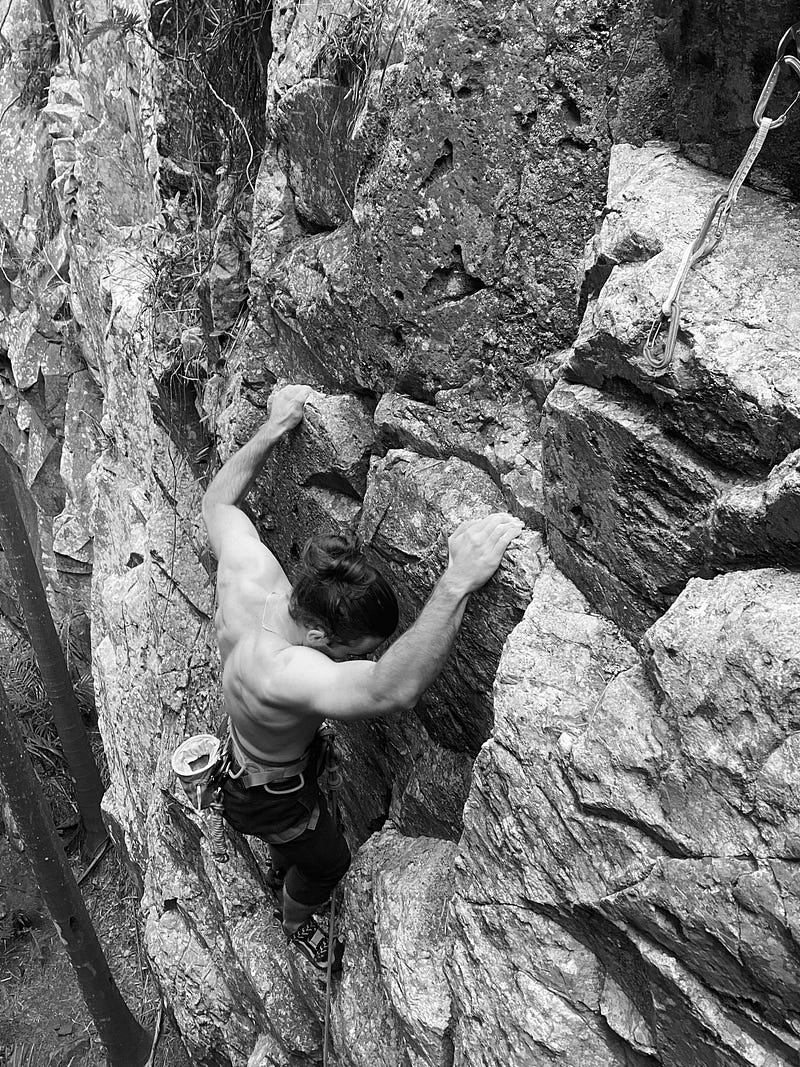
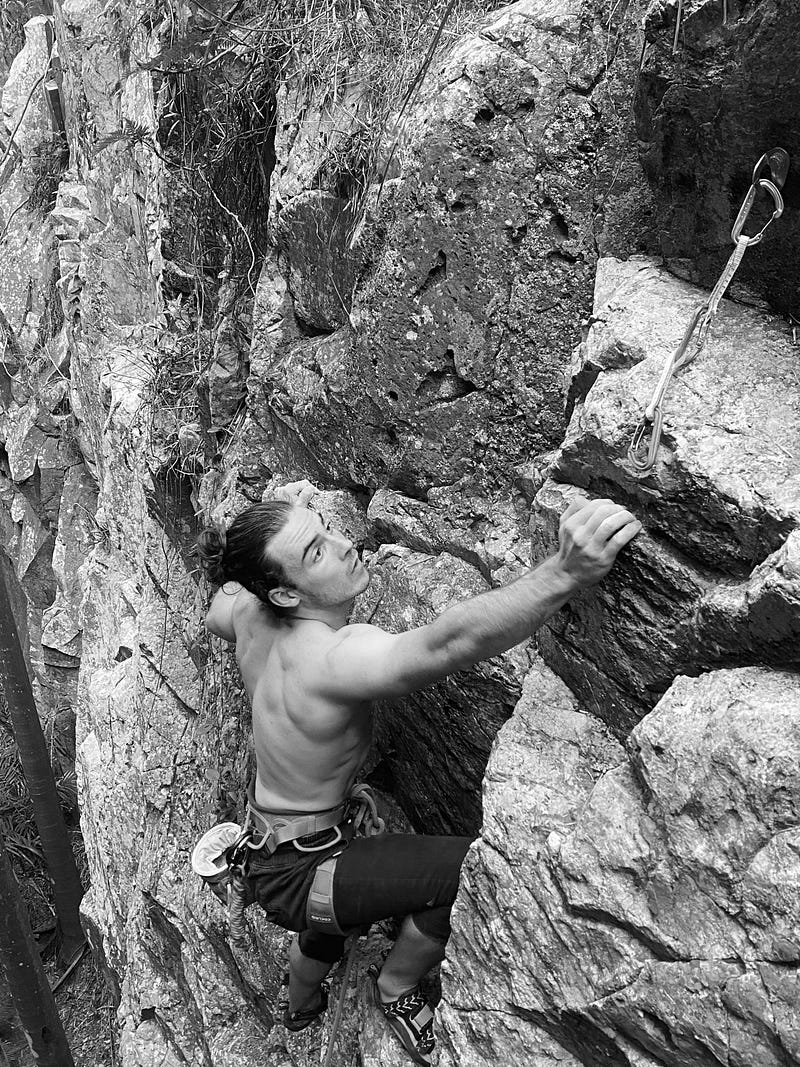
Old photos from my first year in climbing. Still flirting with the idea of falling.

The fear of falling plays a crucial role in the development of a climber’s skillset. Facing this initial fear head-on becomes a catalyst for personal growth, pushing individuals to confront and overcome their limitations.

Each fall, whether accidental or through pushing the boundaries of personal capability, becomes a valuable learning opportunity, teaching climbers to adapt, improve their technique, and refine their decision-making in high-stakes situations.

As we climbers build a tolerance and a sense of comfort in falling, we develop a mental fortitude — the ability to stay focused under pressure. Embracing falls as part of the learning process fosters a mindset that views challenges as opportunities for improvement rather than setbacks.

Ultimately, a climber’s journey to suppress the fear of falling is inseparable from the journey to become a proficient and confident climber.
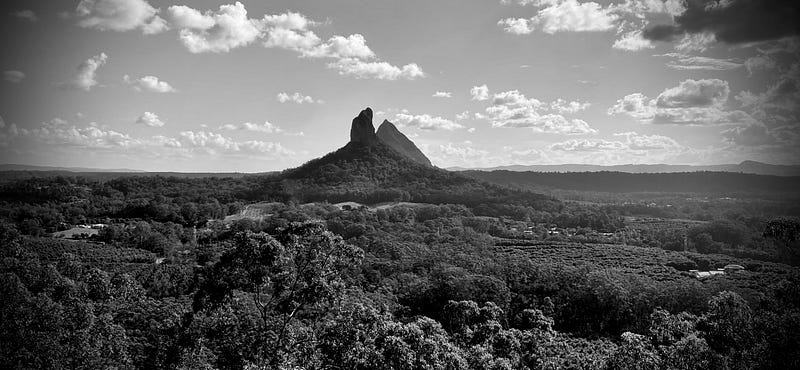

Photo taken of Mt Coonowrin and Mt Beerwah while completing another climb on Mt Ngungun.
Climbing
Outdoors
Photography
Travel
Recommended from ReadMedium