
Systemic Racism is Responsible for the Perpetuation of the School-to-Prison Pipeline
By Merary Flores Galindo and Dr. Drury
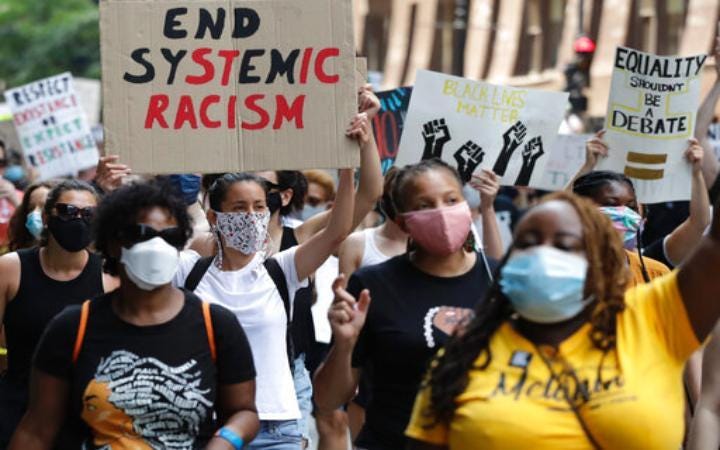
Nonviolent resistance, political alliances, and active political participation advocated by Martin Luther King Jr. in the fight against racial injustices are intrinsically linked to addressing educational injustice in the United States. Educational injustice manifests as disparities in access to quality education, unequal resources, and biased disciplinary practices, disproportionately affecting marginalized communities, particularly Black Americans. Power dynamics that King and Malcolm X highlighted in their approaches to social change also apply to the realm of education. Dysfunctional social institutions and systemic racism have perpetuated educational inequalities, contributing to the marginalization of certain racial and ethnic groups within the school system. These institutions, driven by historic oppression and institutionalized racism, have shaped policies and practices that perpetuate disparities in educational opportunities that continue to provide disproportionately poorer — literally and figuratively — learning experiences for racialized and minoritized students in America.
To combat educational injustice, the strategies advocated by King, such as nonviolent resistance and political alliances, can be applied. All members of the academic community are responsible for maintaining the appropriate and acceptable functioning of our educational institutions. Nonviolent resistance challenges the status quo, demanding equal educational rights and opportunities for all. By mobilizing communities, forming coalitions with diverse stakeholders, and engaging in nonviolent protest, marginalized groups can bring attention to the inequalities in education and advocate for transformative change. Political alliances and active political participation also play a critical role in addressing educational injustice. By actively participating in decision-making processes, marginalized communities can influence educational policies, challenge discriminatory practices, and demand equitable allocation of resources. Collaboration with social organizations, churches, labor unions, and academic communities can generate collective pressure for reform and facilitate systemic change within educational institutions.
The fight against educational injustice necessitates acknowledging the historical disadvantages faced by marginalized communities, particularly Black Americans, because of institutionalized racism. This recognition is vital in formulating targeted policies and initiatives aimed at dismantling systemic barriers and promoting educational equity. By challenging dysfunctional social institutions and advocating for inclusive, culturally responsive education, we can work towards creating an educational system that fosters equal opportunities, embraces diversity, and empowers all students to reach their full potential.
The struggle against educational injustice mirrors the broader fight against social injustices in America. By adopting the principles of nonviolent resistance, forging political alliances, and actively participating in the political process, we can begin to address the deep-rooted systemic issues that perpetuate educational disparities and work towards creating a more equitable and just educational system for all.
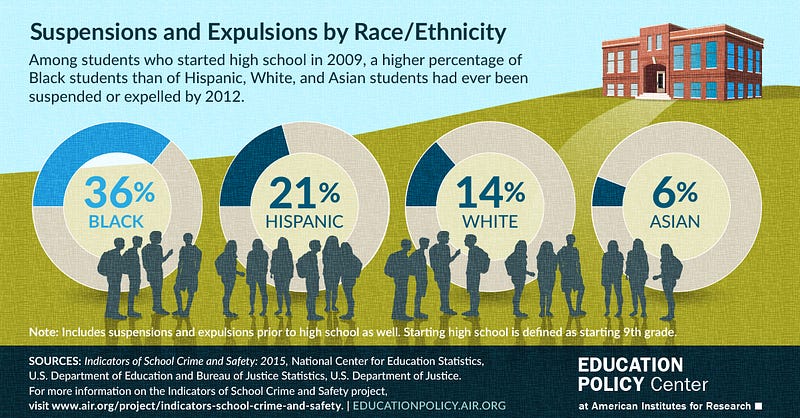
The fight against educational injustice in the United States cannot be fully addressed without examining the deeply troubling relationship between the school-to-prison pipeline and race. The school-to-prison pipeline refers to a disturbing trend where students, primarily those from marginalized communities, particularly Black and Brown students, are funneled from schools into the criminal justice system. This pipeline perpetuates systemic inequality and disproportionately affects students of color, exacerbating the educational injustice they face. Historical oppression and institutionalized racism have contributed to the creation and perpetuation of the school-to-prison pipeline. Biased disciplinary policies, zero-tolerance approaches, and harsh disciplinary practices within schools often disproportionately target and punish students of color for minor infractions, contributing to their criminalization. The presence of law enforcement officers in schools, often known as school resource officers, can further escalate minor disciplinary issues into criminal offenses, leading to arrests and involvement with the justice system.
Consequences of the school-to-prison pipeline are profound and long-lasting. Students who are pushed out of the educational system and into the criminal justice system face significant barriers to future educational and employment opportunities. This perpetuates a cycle of disadvantage and systemic inequality, as educational attainment is closely linked to economic mobility and social progress.
The racial disparities within the school-to-prison pipeline are stark and deeply troubling. Black students are disproportionately subjected to harsh disciplinary measures, such as suspensions and expulsions, compared to their white counterparts for similar behaviors. They are more likely to be referred to law enforcement, arrested, and funneled into the criminal justice system. This unequal treatment not only violates the principles of fairness and equity but also perpetuates systemic racism and widens the educational achievement gap.
Addressing the school-to-prison pipeline requires comprehensive reforms aimed at dismantling the underlying systemic issues. It involves reevaluating disciplinary practices within schools, promoting restorative justice approaches that prioritize healing and reconciliation over punishment, and investing in supportive and inclusive school environments. Additionally, efforts must be made to reduce the presence of law enforcement in schools and to divert students away from the criminal justice system through alternative interventions and community-based programs. Confronting the racial disparities within the school-to-prison pipeline requires acknowledging the systemic biases and prejudices that perpetuate unequal treatment. It necessitates implementing cultural competency training for educators and administrators, fostering inclusive and anti-racist school environments, and promoting policies that address the root causes of racial disparities in discipline and educational outcomes.
By dismantling the school-to-prison pipeline and addressing the racial inequalities within the education system, we can strive for a more equitable and just society. This requires a collective commitment to challenging systemic racism, advocating for policy changes, and empowering marginalized communities to actively participate in shaping the educational landscape. Only through such concerted efforts can we create an educational system that uplifts all students, regardless of their race or background, and provides them with equal opportunities to thrive and succeed.


