
Syria’s Never-ending Turmoil
Why ISIS, a failing economy, and fresh anti-regime protest suggest a renewed nightmare for Syrian citizens, their government, and the rest of the world
It has now been 12 years since the start of the Syrian Civil War, which has undoubtedly become of the most protracted and devastating conflicts of our time. What began as a series of peaceful protests calling for political reform swiftly descended into a brutal conflict that has defied resolution for more than a decade and created a haven for violent extremists, criminal gangs, and brutal political actors who use chemical weapons against their own population. As the conflict evolved, it has given rise to a migration of millions of Syrians seeking refuge, triggering one of the largest humanitarian crises.
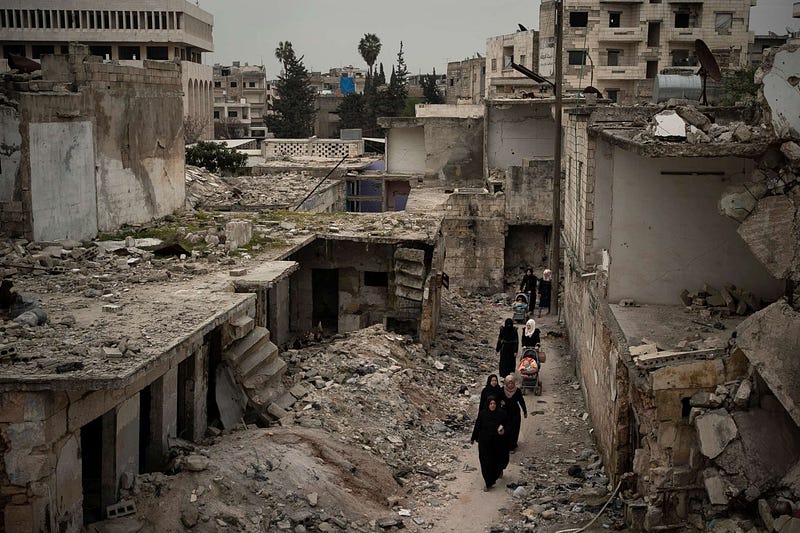
Now, the country is recovering from an earthquake, ISIS attacks are surging, the economy is under incredible strain, and the population are desperate enough to protest once more, and history suggests that this situation will only deteriorate further.
An ISIS Resurgence?
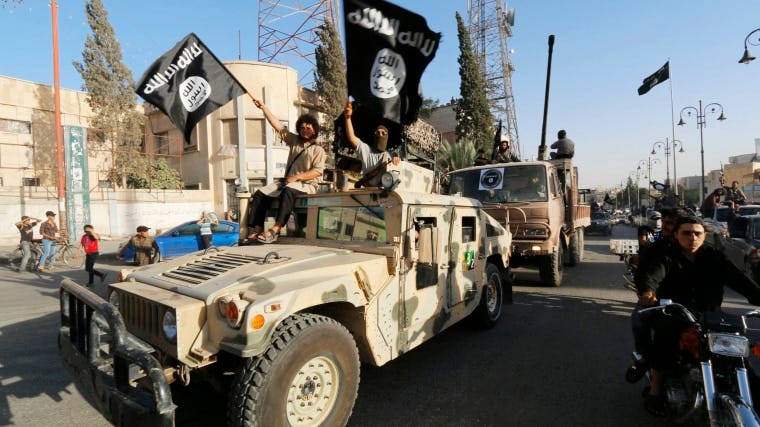
At its peak in 2014, the Islamic State held sway over a significant portion of Iraq and Syria, over a third of both countries, and the regions were considered the heartlands of their operational territory.
In 2019, after five years of intense conflict, a coalition of eighty-five nations celebrated the defeat of the Islamic State by the U.S. backed Syrian Democratic Forces (SDF).
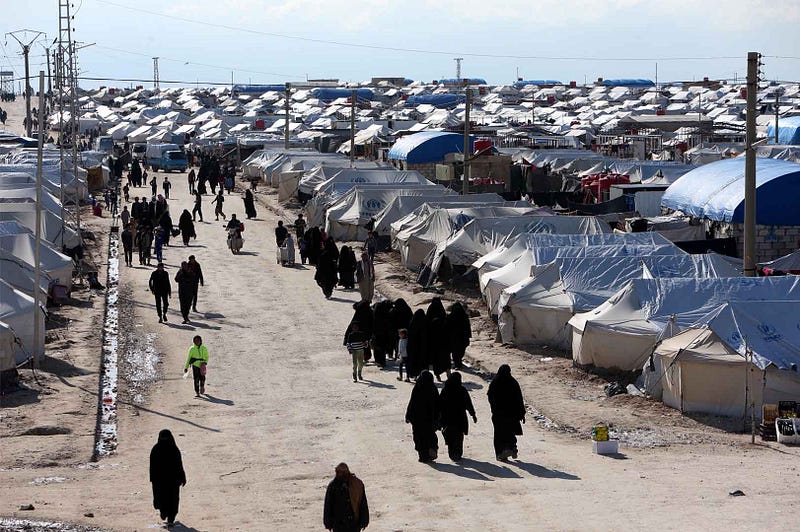
At the time of writing, SDF controlled displacement camps in north-eastern Syria are home to the most significant assembly of extremists in the world. Here, tens of thousands of individuals suspected of affiliations with Islamic State find themselves residing, waiting for the improbable event that the international community will decide them safe enough to repatriate.
The core of Islamic State is known to be operating in the Syrian Desert, where for the previous few years they have been attacking oil drilling sites to gain funds and directing training camps. However, in a concerning development, and repositioning of ISIS forces towards central Syria, August 7th saw the group temporarily capture the largest regime position near the village of Shoula in Deir Ez Zor and seize two strategically important checkpoints along the Raqqa-Deir Ez Zor highway.
The following day, ISIS executed a brazen attack which resulted in the death of eight regime troops and pro-government fighters in Raqqa province. This was followed by another devastating assault on August 10th when ISIS killed at least 25 soldiers outside the town of Mayadeen. These bold moves demonstrate a resurgence of ISIS’s military capabilities and ambitions in the region.
Analysts suggest that these attacks could show a redirection of the group’s attention from the regions under the control of the international coalition. This shift could signify a dangerous repositioning of ISIS forces and a potential reemergence as a major security threat.
An Economic Nightmare
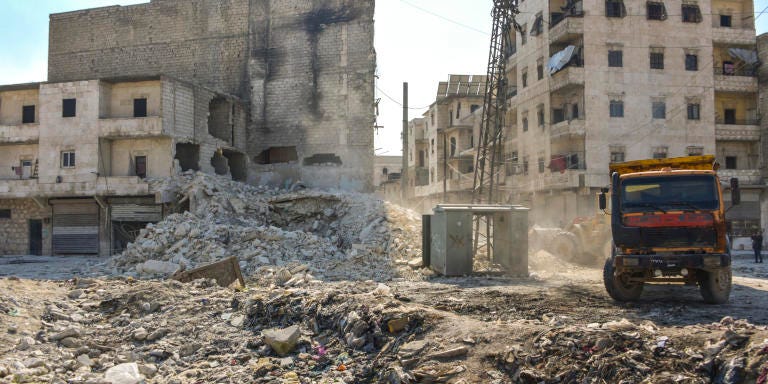
Despite diplomatic strides made by Damascus on the international stage, the economic landscape of Syria also continues to paint a grim picture. The situation remains dire with little respite in sight. Since the outset of May 2023, the Syrian pound has witnessed an astonishing devaluation, plummeting by more than 80% and showing no signs of finding stability. Twelve years of conflict, and now a devastating earthquake provides a catalyst for economic collapse.
“The recent earthquake exacerbates the already dire consequences of the 12 year-long conflict for the people of Syria” (World Bank, 2023)
The earthquake has resulted in a major decline in the humanitarian situation. The earthquake-affected regions are home to nearly 3 million internally displaced people (IDPs), with women, children, the elderly, individuals with disabilities, and those living in poverty most severely effected by the quake.
At a poor attempt to provide respite for the population, in August, the government raised the monthly salaries to 200,000 Syrian Pounds (SYP), roughly equivalent to £10.25. Nonetheless, according to the UN, the minimum amount required to purchase a month’s worth of basic food stands at an estimated 1.35 million SYP, which translates to approximately £75. This stark disparity between income and the cost of essentials is life threatening for much of the population.
Anti-regime Protest
The currency crisis has ignited an uncommon, and very brave, wave of anti-government demonstrations. Mid August saw a general strike in Suwayda province, with further protests erupting in Daraa city on August 18th. Remarkably, a protest also took place in the government-held capital city of Damascus, coinciding with growing reports of heightened social media criticism of the government — all of these events ring serious alarm bells considering the historical behaviour of the Syrian regime, from shooting protesters dead, executions, to chemical weapons.
The intensity of the recent dissent escalated late August, as demonstrators in Suwayda city, raided the office of the ruling party. Anti-regime protests continued to persist throughout the latter part of the month, particularly across territories held by the opposition in northern Syria.
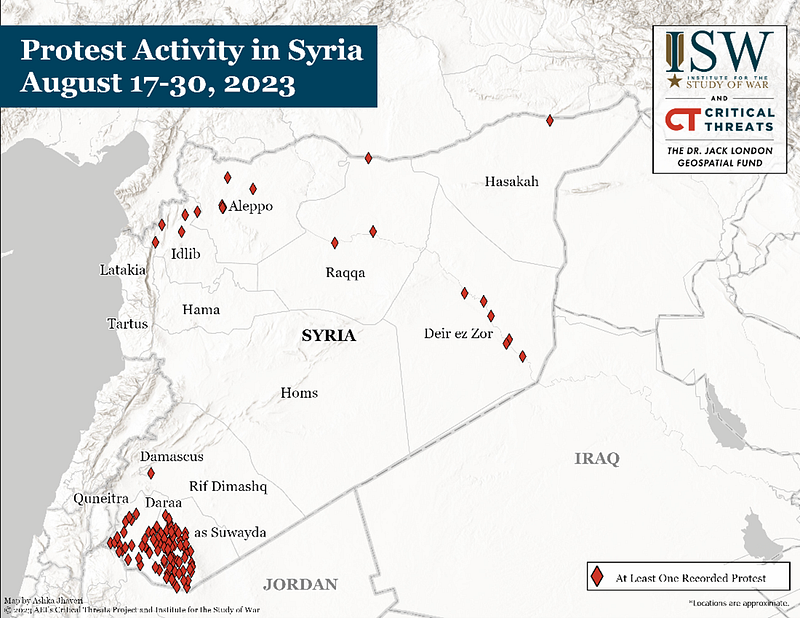
As anti-regime protests continue to gain momentum in Syria, the situation is becoming increasingly precarious — with ISIS watching closely for any opportunity for exploitation. The Syrian government faces mounting pressure, and there are growing fears that it may resort to a crackdown to quell the demonstrations, especially if these protests disrupt key industries and state operations, given the fragile state of the Syrian economy.
Implications Internationally
After over a decade of war, the Syrian government would likely require international support to suppress protest. Despite its previous footprint in the country, conflict analysts suggest that Russia will be very unlikely to commit forces to a crackdown due to having 97% of its forces in Ukraine, compounded by the complexities caused by the death of Wager financier Yevgeny Prigozhin.
Historically, Iran has provided support to the Syrian regime, including the deployment of proxy militias. Iranian forces were sent to Syria in 2011 when protest first broke out, and today they continue to oversee operations conducted by these forces. It is considered very likely that if Iran has not already, that they are preparing to send militias to support the Syrian regime’s response to the unrest.
A renewed conflict in Syria, in addition to the war in Ukraine, and the tensions in the South China Sea, the West will be confronted with questions on how much military and financial resource their morality can afford.