
Syria Is Allowed Back Into The Arab League. Are Its Pariah Days Over?
For the most part, Syria’s back in the region’s good books — notwithstanding a few holdouts.
The Arab Spring of the early 2010s might well be the most significant event of the 21st century so far. The mass protests against corruption and economic failure largely failed to obtain lasting reforms but did manage to ignore several rebellions and civil wars, from Libya to Yemen.
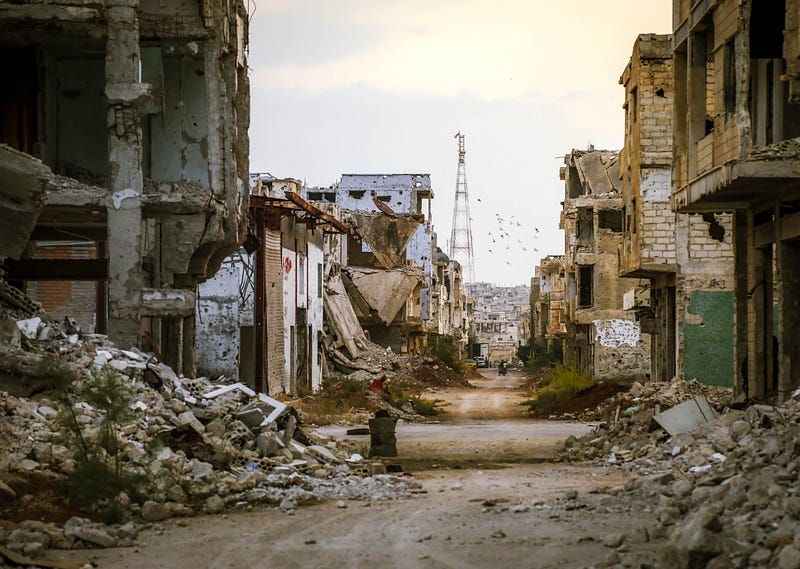
The deadliest of these has been the Syrian Civil War, which has left over 500,000 dead, and millions more scattered across the globe. It began in 2011, when Bashar al-Assad viciously cracked down on protestors calling for him to resign.
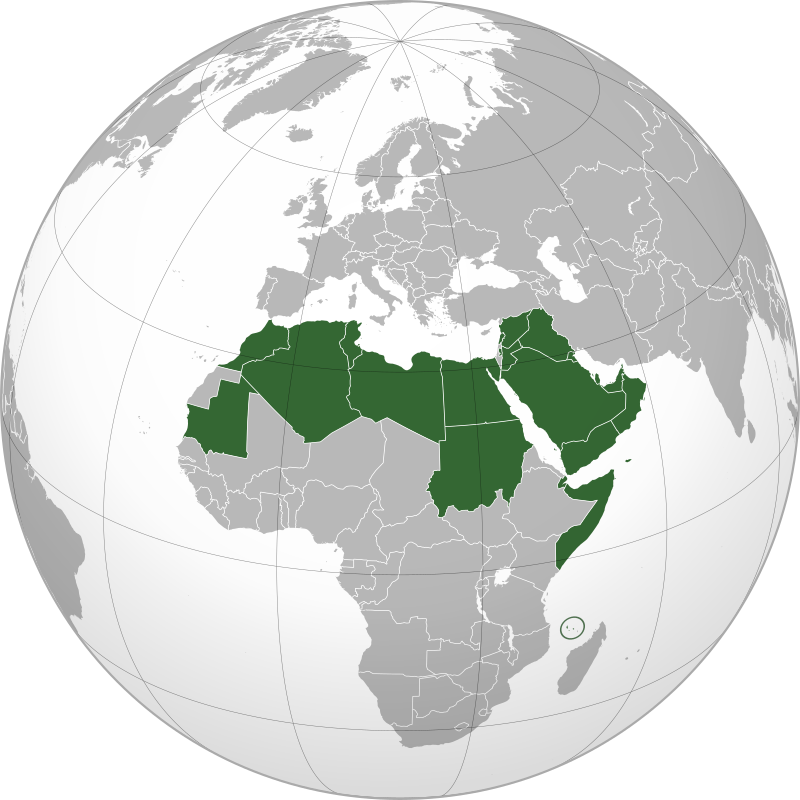
As security forces tortured and slaughtered thousands of civilians, Syria was suspended from the Arab League, a regional grouping of 23 countries.
Over the past 12 years, Syria’s civil war involved hundreds of factions, many of them supported by foreign enemies or allies of the regime.
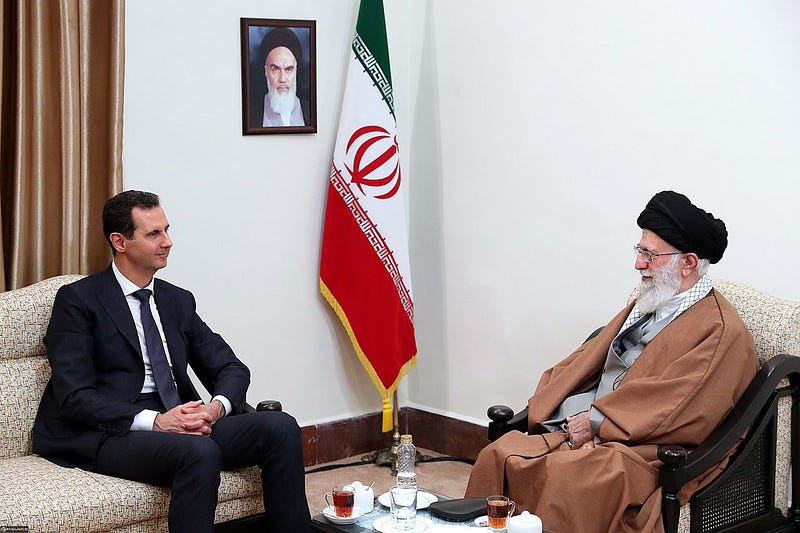
Russia and Iran both helped prop up al-Assad: Russian air strikes devastated rebels, while Iran trained and funded thousands of Shia militiamen to help al-Assad maintain minority rule over the mostly Sunni population.
Meanwhile, rebels were funded by a long list of foreign players, including the US, the UK, France, Turkey, Israel, and Saudi Arabia. These opposition groups spanned a wide range of ideologies, including secular moderates, but became increasingly dominated by jihadist groups like ISIS as the war progressed, leading some foreign powers to reduce their military support.
By now, the government has secured control of the country’s major cities, and the conflict’s intensity is lower than it was 5 years ago. Large parts of the country are still controlled by other factions, including Kurds and jihadists and the Turkish government — but al-Assad won’t be going anywhere anytime soon.
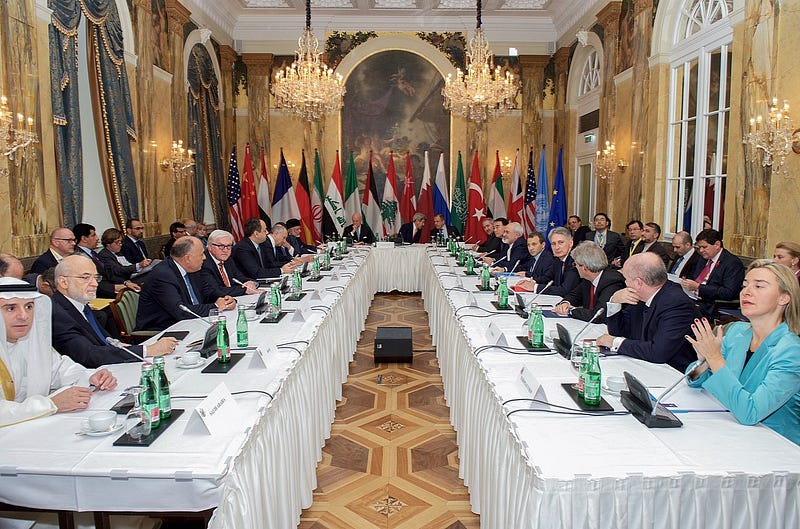
Syria’s neighbours have known that for a while now, and have good reasons to re-forge ties with the war-torn pariah state. On a grand geopolitical country, the countries of the Arab League want to counter the influence of Iran (a non-Arab rival) in Syria.
They also want to halt the flow of amphetamines out of Syria: as the country’s legitimate economy was strangled by sanctions, exports of a drug called Captagon exploded to Saudi Arabia and other parts of the Gulf. It is now an almost $6 billion industry.
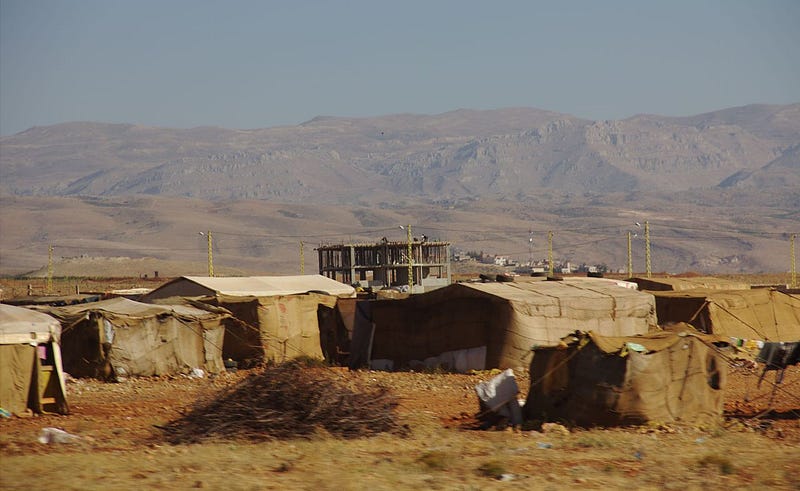
There’s also the question of the millions of Syrian refugees. Jordan (population 10.8 million) is hosting 660,000 Syrian refugees, while Lebanon (population 5.2 million) is providing for 800,000. That’s an enormous burden for these countries to bear, and those refugees can’t be returned until diplomatic channels are re-opened with Syria.
Naturally, of course, there’s naked economic self-interest at work here too: Syria requires a lot of rebuilding, and that means plenty of lucrative construction contracts for the taking as long as political ties with Syria are nurtured.
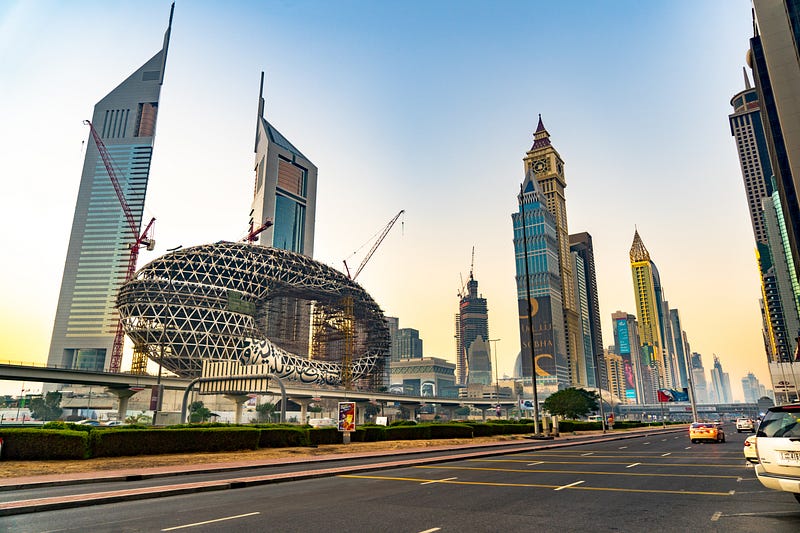
The United Arab Emirates was one of the earliest states in the region to see the advantages of welcoming Syria back to the fold, re-opening its Damascus embassy in 2018. It has spearheaded the reintegration campaign, welcoming a visit from al-Assad himself in March 2022.
Oman, which maintained diplomatic channels with Syria during the entire civil war, has also supported fresh ties with Syria. Al-Assad visited there 3 months ago.
But Saudi Arabia was a stubborn opponent of letting Syria back into the club until quite recently, when two things changed the calculus for the Kingdom.
The first of those was the earthquake that struck Syria and Turkey earlier this year. Syria’s need for even more humanitarian assistance than normal gave neighbours a convenient excuse to re-open ties after years of animosity.
Secondly, the China-brokered peace deal between Saudi Arabia and Iran appears to have played a role. China, an ally of both Russia and Iran, supported Syria’s re-entry to the Arab League and dedicated a diplomatic task force towards ensuring that outcome.
This week, the League formally voted to let Syria back into the fold. In spite of Saudi support, not all members are on the same page. Kuwait and Qatar both abstained and are opposed to normalising relations with the Assad regime.
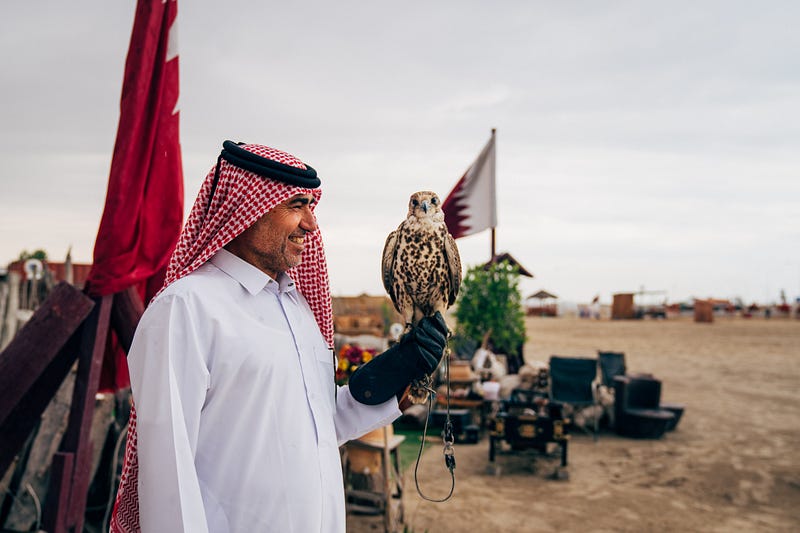
Yet it’s a notable diplomatic victory for Syria that Qatar (which continues to arm and fund rebels in Syria) merely abstained rather than vetoing Syria’s re-entry as some had predicted.
The US, which likes to keep itself busy in the Middle East, had made clear that it won’t normalise relations with Syria and has discouraged its allies from doing so, but doesn’t plan to sanction or punish them if they do.