
Sweetest Kid Ever Dies After Being Outed
What Channing Smith’s suicide says about LGBTQ equality
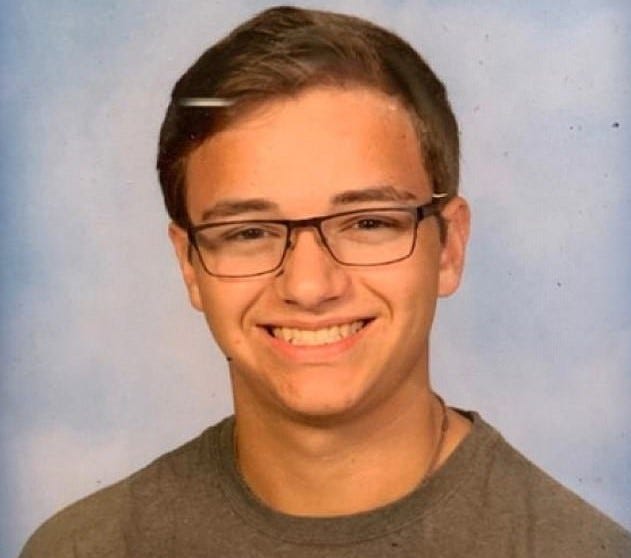
Outed to his friends
Last Sunday night when 16-year-old Channing Smith discovered an explosion of online messages outing his romantic relationship with another boy, he frantically began calling friends. He lived in a small Tennessee town where, according to his older brother, “ultra-conservative” people would have had trouble accepting his sexuality.
A friend of Channing’s had argued with him about something, had discovered sexually descriptive text messages between Channing and the other boy, and had then sent those messages to several other friends. Channing wanted advice about what to do.
After about an hour of calls, he posted on Instagram:
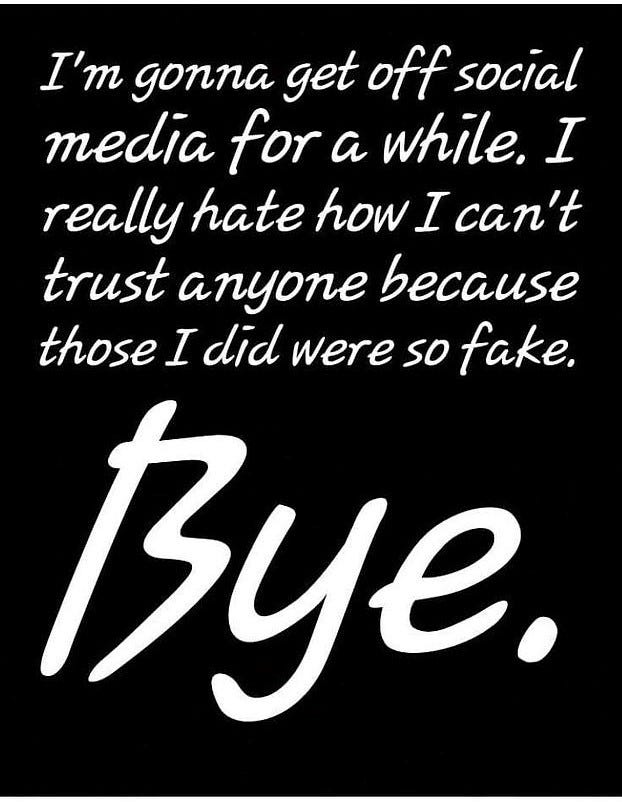
I’m gonna get off social media for a while. I really hate how I can’t trust anyone because those I did were so fake. BYE.
Channing killed himself shortly thereafter
His father discovered his body in his bedroom Monday morning. Channing’s older brother, 38-year-old Joshua Smith, says his father would’ve had a hard time accepting his son’s sexuality. Joshua says Channing had begun to refer to himself privately as either gay or bisexual, but that being outed would have been “devastating” for him. He describes his brother as the “sweetest kid ever,” and says his family would have supported him “no matter what.”
The numbers are staggering. Dangerous homophobia is rampant. Society is neglecting the problem.
Family and friends are grieving
Channing’s mother, Crystal Smith, is speaking out against cyber bullying, reminding people that “posting one little picture can destroy somebody’s life.”
“I can’t describe the pain,” she told Tennessee news station WKRN. “You can’t understand it. How somebody could be that mean to somebody just for the fun of it? It doesn’t make any sense.”
Friends and classmates honored Channing last Thursday evening with a candlelight vigil, releasing balloons in his memory.
Community support has been sketchy
Joshua notes that Channing’s school hasn’t posted any messages recognizing his suicide, held any assemblies to denounce bullying, or offered any counseling to students affected by his death.
The family is looking for justice, and while Joshua is on the record opposing harsh penalties for the friend who outed Channing, he does want to see measured legal action taken, to further education and to deter bullying in future cases.
But Coffee County District Attorney Craig Northcott has reportedly informed the family that he does not intend to move forward with prosecution.
Channing’s tragic death should teach us something
This 16-year-old high school student is not alone. His despair and hopelessness are representative of so many LGBTQ young people. The numbers are staggering. Dangerous homophobia is rampant. Society is neglecting the problem.
Staggering suicide numbers for LGBTQ youth
- Suicide is the second leading cause of death among American young people and LGBTQ teens are disproportionately affected.
- LGB youth seriously contemplate suicide at almost three times the rate of heterosexual youth.
- LGB youth are almost five times as likely to have attempted suicide compared to heterosexual youth.
- Of all the suicide attempts made by youth, LGB youth suicide attempts were almost five times as likely to require medical treatment than those of heterosexual youth.
- 40% of ALL transgender adults reported having made a suicide attempt. 92% of them reported having attempted suicide before the age of 25.
Homophobia is rampant
While many LGBTQ people are quite comfortable in their progressive urban bubbles, Channing’s suicide illustrates the despair that so many vulnerable members of gender and sexual minorities often feel.
While homophobic attitudes have declined, many Americans forget just how much disapproval LGBTQ people still face. Demographic data from a Pew Research survey demonstrate how bad things can be.
- 52% of all men in the United States believe “homosexuality” should be discouraged.
- 59% of all Republicans believe “homosexuality” should be discouraged.
- A whopping 71% of white, evangelical Protestants believe “homosexuality” should be discouraged.
- 39% of all Americans say they would be “upset” if they discovered their child were gay.
- 59% of Republicans say they would be “upset” if they discovered their child were gay.
- 65% of white, evangelical Protestants say they would be “upset” if they discovered their child were gay.
- 60% of Black Protestants say they would be “upset” if they discovered their child were gay.
If these numbers don’t bring the scope of the problem home for you, think of Channing. He was so horrified that his Tennessee classmates had discovered he was gay or bisexual that he killed himself rather than face them. That’s how hard it is to be LGBTQ in many parts of America.
Society is neglecting the problem
LGBTQ teens often suffer in silence, because sexual orientation and gender identity are subjects many people find “too adult” or too sensitive to discuss with children and adolescents.
Schools can be very hostile.
Channing’s school is offering no support to students in the wake of his LGBTQ-related suicide. No counseling, no assemblies, no acknowledgment that it even happened. That’s not unusual for US schools when dealing with LGBTQ students.
Some American states enforce so-called “No Promo Homo” laws that restrict the discussion of LGBTQ issues in schools. Alabama, Louisiana, Mississippi, Oklahoma, South Carolina, and Texas count among them. Support for LGBTQ kids? Discouraged by law.
In other states, hostile atmospheres prevail even without gag laws. GLSEN first reported in 2017 that Tennessee high schools are not safe for LGBTQ students. Since that report was published, Tennessee legislators and policy makers have taken zero action to increase LGBTQ support or address student safety.
Law enforcement is often hostile and unsupportive.
Coffee County District Attorney Craig Northcott, who has made it clear he won’t be seeking any cyber-bullying charges in Channing’s case, is a notorious example of the challenges LGBTQ people face in the United States.
Northcott is on the record as being hostile to LGBTQ legal equality. In a video filmed in 2018, he made it clear that he would refuse to enforce domestic violence laws when same-sex couples are involved.
He told a crowd of supporters that same-sex marriage is invalid according to his Christian beliefs, a startling non sequitur for a lawyer.
…you elect a good Christian man as DA, and you’ll make sure at least they don’t get prosecuted criminally… So the social engineers on the Supreme Court decided that we now have homosexual marriage. I disagree with them. What do I do with [same-sex] domestic assaults? … I don’t prosecute them, because I don’t recognize it as marriage.
With officials like Northcott in charge of law enforcement, how can LGBTQ people or their grieving families expect to enjoy the equal protection of the law?
He’s just one randomly selected southern DA who happens to have gone on the public record with his position. Imagine how common such attitudes are among law enforcement people who QUIETLY refuse to enforce the law or apply it equally.
Channing is dead and nothing can change that
He was a bright kid who played in a band, loved his friends and family, and who aspired to be an engineer, just like I did when I was 16. The problem is that he loved another boy. He was so afraid of people finding out, that he killed himself rather than face the consequences of being outed.
That’s a stunning indictment of American society
It’s a stunning revelation of the depths of American homophobia. Did Channing die for nothing? Can his death MEAN something?
Can we use it to understand that suicide numbers among queer youth are staggering? Can we spread the word that dangerous homophobia is rampant? Can we urge society to stop neglecting the problem?
None of that will ease the pain of Channing’s grieving family, of course, or of his boyfriend, a silent witness to these tragic events.
But if we can take a moment and remember Channing’s despair, if we can let him speak to us from his grave, perhaps we can work some magic for future Channings. Maybe we can make life easier for that girl or boy struggling TODAY with a sense of being alien and unwanted.
Will you join me in raising your voice and fighting for true equality and acceptance? Will you join Channing and his family?
Are you a young LGBTQ person thinking about suicide? The Trevor Project has your back. Their trained counselors are there for you 24/7. Call or text 1–866–488–7386. Don’t hesitate.
James Finn is a long-time LGBTQ activist, an alumnus of Act Up NYC, an essayist occasionally published in queer news outlets, and an “agented” novelist. Send questions, comments, and story ideas to [email protected].