avatarMisbah Ul Haq Syed

Free AI web copilot to create summaries, insights and extended knowledge, download it at here

1943

Abstract

e from gram flour).</p><p id="fc5c">So, adding traditional halwa dishes to the menu on occasions like weekend dinners, birthday parties, and/or wedding functions bring the feel and fun to a whole new level.</p><blockquote id="91c4"><p>No winter is complete without an aromatic Gajar ka Halwa.</p></blockquote><figure id="13b7"><img src="https://cdn-images-1.readmedium.com/v2/resize:fit:800/1*EIxJydM2VACPVFE_mjodlQ.jpeg"><figcaption>Photo by milanography on Wikimedia Commons</figcaption></figure><h2 id="af59">Methai</h2><p id="a880">It is a dessert for all seasons. Moreover, it is the local version of sweets, which is by and large a must for all sorts of formal/informal occasions and celebrations.</p><p id="5829">These traditional/modern sweets are also available in a wide variety. A few must-haves are <b>Gulab Jamun, Ladoo, and Burfi</b>. These and dozens more are equally admired by people from all walks of life and age groups.</p><p id="8cb9">The desserts are prepared and sold in specialty Methai shops, which operate in abundance all across the country and abroad.</p><blockquote id="8922"><p>Can’t live without Gulab Jamun.</p></blockquote><figure id="0fa6"><img src="https://cdn-images-1.readmedium.com/v2/resize:fit:800/1*PG-tkMVRWUygXGGv-s4M9w.jpeg"><figcaption>Photo by rockstarswapnil on Wikimedia Commons</figcaption></figure><h2 id="1a67">Household Specialties</h2><p id="562d">We grow up finger-licking our favorite sweet dishes prepared with love and pride by our mothers. The well preserved and practiced desserts’ recipes and associated serving traditions have been passed on through the generations.</p><p id="b9df">Some of the contemporary homemade sweets are <b>Zarda</b> (colored sweet rice), <b>Kheer </b>(rice pudding),<b> </b>and<b> Shahi Tukray/Double Ka Meetha </b>(royal pieces).</p><p id="aff0">Whereas, in modern times, new and western desserts have also been added to our carts like <b>Mousse, Cakes</b>

Options

, and<b> Trifles.</b></p><blockquote id="162c"><p>Mummy makes the world’s best Zarda.</p></blockquote><figure id="4f27"><img src="https://cdn-images-1.readmedium.com/v2/resize:fit:800/1*9ciQ48xJ6GlFgl_UdW75rg.jpeg"><figcaption>The photo on Wikimedia Commons</figcaption></figure><h2 id="54da">Desserts For Festivals</h2><p id="7ec1">No festival in Pakistan is complete without preparing, serving, and eating sweets. So, it wouldn’t be wrong to say that our people have a <b>“sweet tooth.”</b> In fact, there is a religious festival which is known as <b>“meethi eid.” </b>Meethi means sweet, and Eid is the name of the religious festival<b>. </b>Perhaps, now the readers may have a better idea of what kind of fanatics they are dealing with, especially when it comes to desserts.</p><p id="6494">Some of the desserts associated with festivals are <b>Savaiyaan</b> (vermicelli), <b>Jalebi </b>(syrup field rings), and <b>Sheer Khurma</b> (vermicelli pudding).</p><blockquote id="8a2e"><p>No childhood is complete without having a mouth full of Jalebi.</p></blockquote><figure id="f6a0"><img src="https://cdn-images-1.readmedium.com/v2/resize:fit:800/1*ikenNclnOHthwqojrSKRDQ.jpeg"><figcaption>Photo by ramantalkin on Wikimedia Commons</figcaption></figure><h2 id="2bfd">Milk-Based Desserts</h2><p id="3df6">Almost all local desserts have a direct/indirect use of milk-based products.</p><p id="f819">However, there are a few desserts that have maximum milk content in them and are very popular amongst the masses, especially during the summers.</p><p id="d727">To name a few are <b>Rubri, Ras Malai, and Matqa Kulfi. </b>These<b> </b>desserts are generally stored and cooled in clay and steel containers.</p><blockquote id="31cd"><p>Nothing better to beat the heat than having a Kulfi or maybe two ☺</p></blockquote><p id="ffa4" type="7">If I have tempted you enough to make you try our desserts, I think my job is well done.</p></article></body>

Sweet Sensations from Pakistan

Life isn’t sweet enough unless you have a slice of our decadent and mouthwatering desserts.
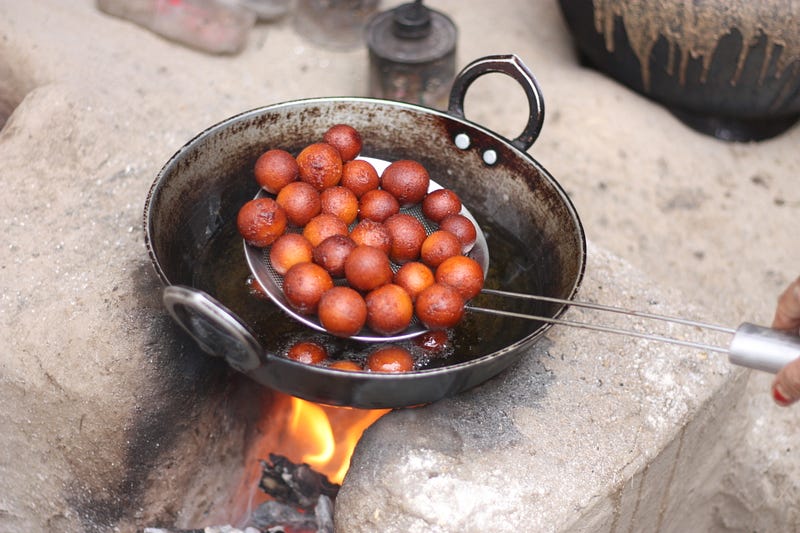
Photo by jaikishan patel on Unsplash

The main ingredients of everyday life in Pakistan revolve around gossip, politics, and food.

Food being the main focus in the country, whether we talk about business opportunities, religious festivals, or household affairs.

Our country is known to be rich in traditions and the countrymen for hospitality. We love cooking, eating, and especially serving food.

So, let’s hop on a delicious ride to get acquainted with our favorite desserts.
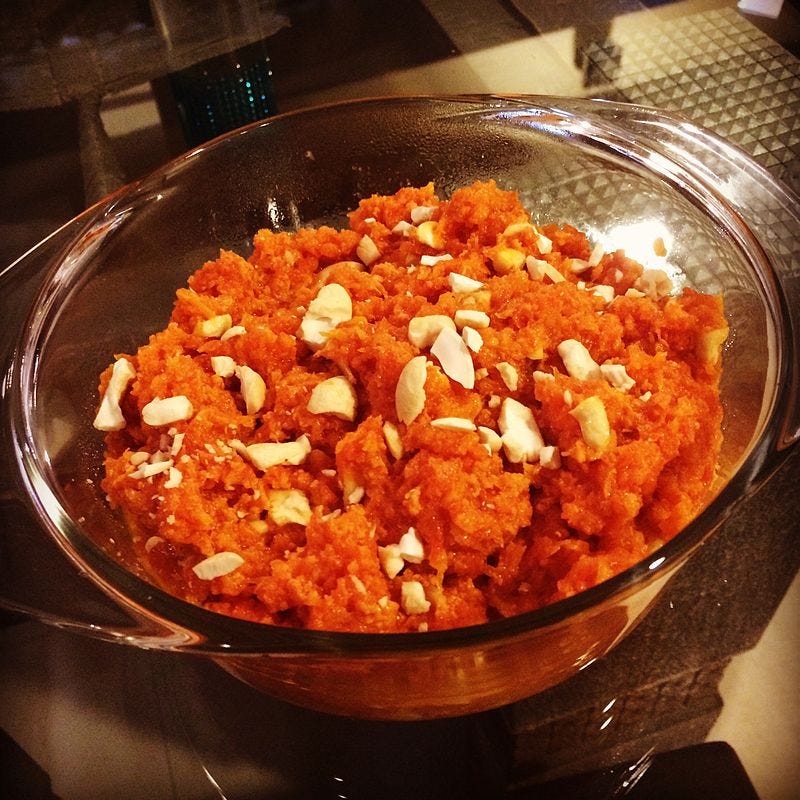
Photo by prema jaddwani on Wikimedia Commons

Halwa

The traces of Halwa go centuries back to Turks, Arabs, and Moguls. Whereas the name originates from the Arabic word “halwa,” which means “sweet.”

It is a dessert, which is generally consumed in the winter season. The primary reason is selecting items such as dried milk, saffron, and walnuts, which are generally used in garnishing. Also, clarified butter “desi ghee” is often used in preparing such authentic sweet dishes.

There is an array of dishes to choose from. Some of the popular ones are Gajar ka Halwa (a dessert made from carrots), Akhroat ka Halwa (a dessert made from walnuts), and Besan ka Halwa (a dessert made from gram flour).

So, adding traditional halwa dishes to the menu on occasions like weekend dinners, birthday parties, and/or wedding functions bring the feel and fun to a whole new level.

No winter is complete without an aromatic Gajar ka Halwa.
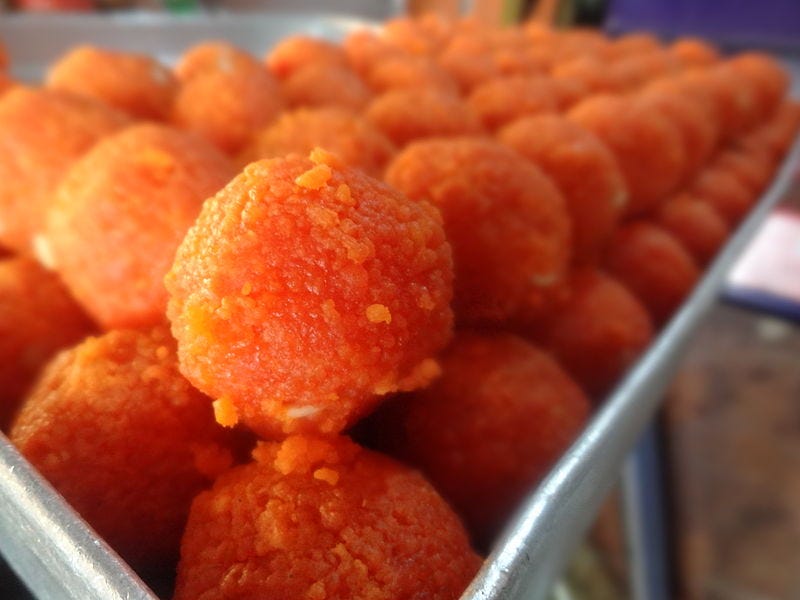
Photo by milanography on Wikimedia Commons

Methai

It is a dessert for all seasons. Moreover, it is the local version of sweets, which is by and large a must for all sorts of formal/informal occasions and celebrations.

These traditional/modern sweets are also available in a wide variety. A few must-haves are Gulab Jamun, Ladoo, and Burfi. These and dozens more are equally admired by people from all walks of life and age groups.

The desserts are prepared and sold in specialty Methai shops, which operate in abundance all across the country and abroad.

Can’t live without Gulab Jamun.
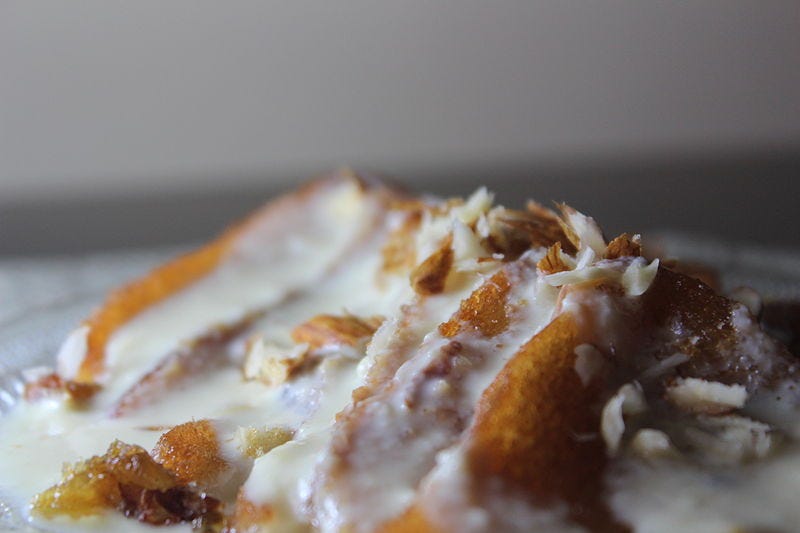
Photo by rockstarswapnil on Wikimedia Commons

Household Specialties

We grow up finger-licking our favorite sweet dishes prepared with love and pride by our mothers. The well preserved and practiced desserts’ recipes and associated serving traditions have been passed on through the generations.

Some of the contemporary homemade sweets are Zarda (colored sweet rice), Kheer (rice pudding), and Shahi Tukray/Double Ka Meetha (royal pieces).

Whereas, in modern times, new and western desserts have also been added to our carts like Mousse, Cakes, and Trifles.

Mummy makes the world’s best Zarda.
The photo on Wikimedia Commons

Desserts For Festivals

No festival in Pakistan is complete without preparing, serving, and eating sweets. So, it wouldn’t be wrong to say that our people have a “sweet tooth.” In fact, there is a religious festival which is known as “meethi eid.” Meethi means sweet, and Eid is the name of the religious festival. Perhaps, now the readers may have a better idea of what kind of fanatics they are dealing with, especially when it comes to desserts.

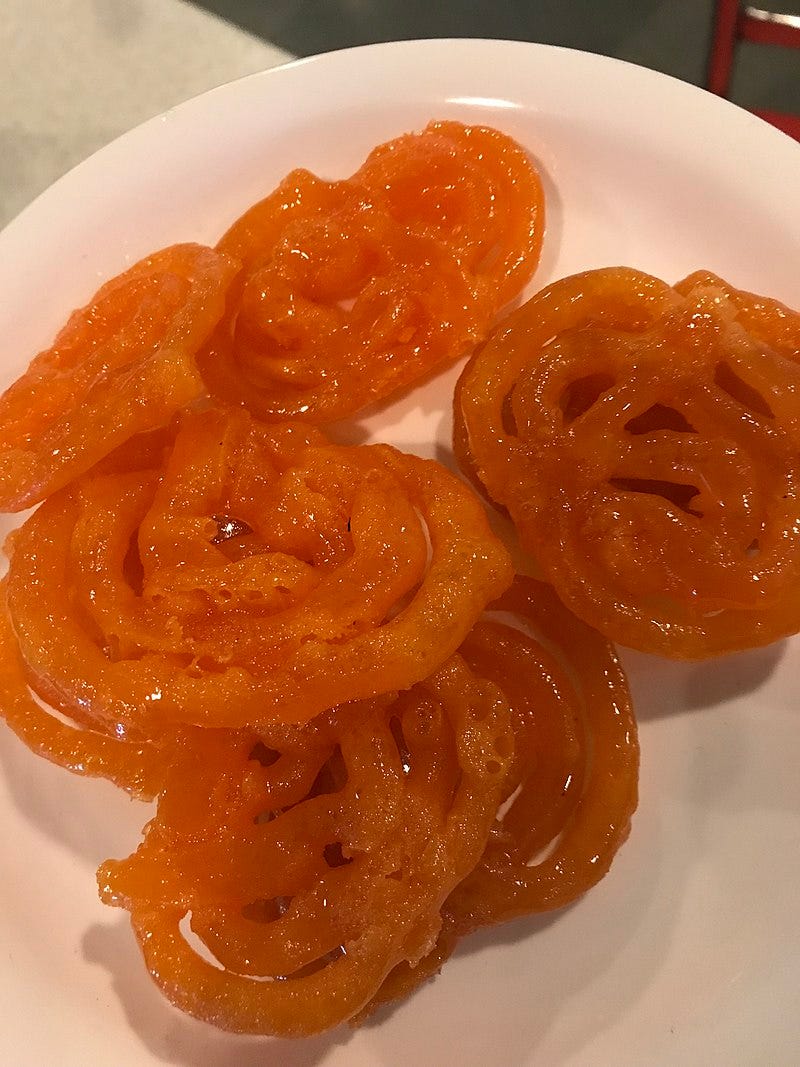
Some of the desserts associated with festivals are Savaiyaan (vermicelli), Jalebi (syrup field rings), and Sheer Khurma (vermicelli pudding).

No childhood is complete without having a mouth full of Jalebi.
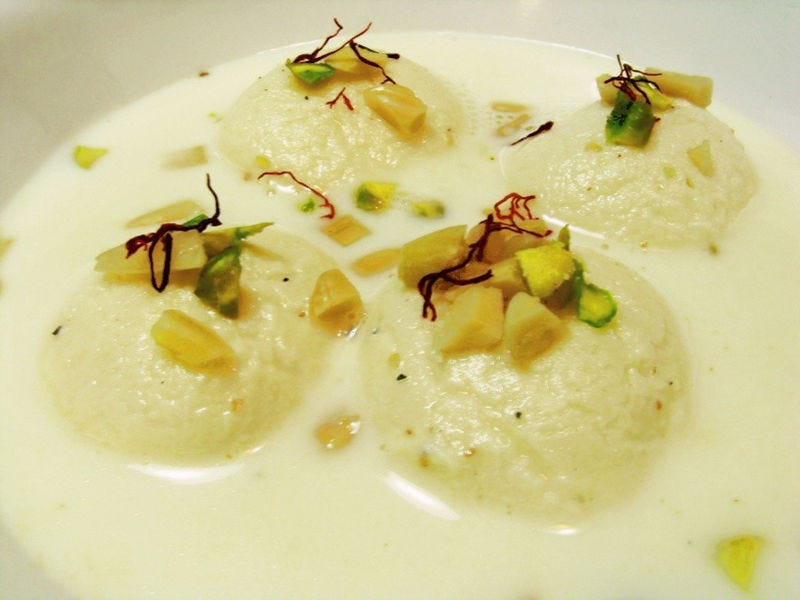
Photo by ramantalkin on Wikimedia Commons

Milk-Based Desserts

Almost all local desserts have a direct/indirect use of milk-based products.

However, there are a few desserts that have maximum milk content in them and are very popular amongst the masses, especially during the summers.

To name a few are Rubri, Ras Malai, and Matqa Kulfi. These desserts are generally stored and cooled in clay and steel containers.

Nothing better to beat the heat than having a Kulfi or maybe two ☺

If I have tempted you enough to make you try our desserts, I think my job is well done.

Food
Travel
Pakistan
Life
Culture
Recommended from ReadMedium