
Sweet Liberation: A Guide to Conquering Sugar Addiction Naturally
Breaking Free from Sugar’s Grip: Discovering a Natural Approach to Reclaim Control Over Your Health
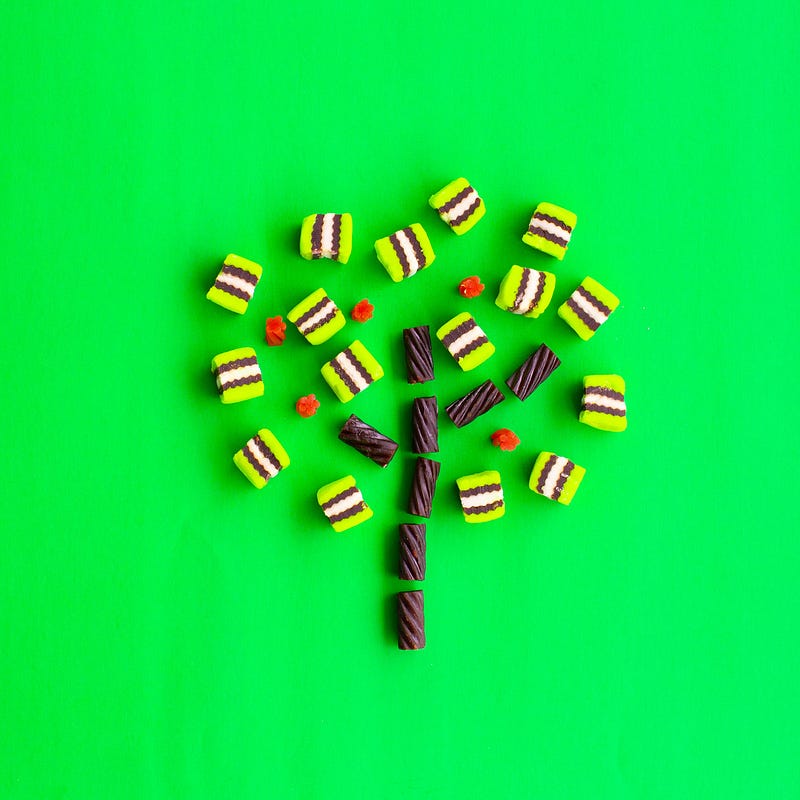
Over the last few years, I’ve acquired somewhat of a sugar addiction. Strange, because I’ve always favored the savory. But, after spiking glucose levels at the end of October (Halloween candy), I decided to take a break on sweets.
For me, the best way to approach something difficult is to hit it head on. I challenged myself to go one week without sugar. The thought of going sugarless left me feeling anxious and worried that I wouldn’t be able to hack it, but I needed this more than I knew.
On Monday morning, I made a simple rule to only eat savory food from now till Sunday.
I’m 55 years old and typically take good care of my health. I go to the gym a couple of days a week, eat whole foods, hike, run, and take daily cold showers.
Despite being active most of my life, I’m not a pillar of good health. My Body Mass Index is 26.5 which is considered overweight and thats down quite a bit from 10 years ago. I have a lazy approach to health where I try and keep it simple, but as I get older I realize my decisions are catching up with me.
Sugar has been linked to obesity, metabolic disorders, diabetes, cardiovascular disease, cancer, depression, and cognitive impairment. If this doesn’t concern you yet, it should.
The Dietary Guidelines for Americans (DGA) suggest that about 10% of your calories should come from sugars. That means a 2000 calory diet would keep you around 12 teaspoons of sugar daily. Currently, a typical 12 to 19 year old averages 20 teaspoons per day.
These aren’t the only issues affected by too much sugar. According to a study logged in the National Library of Medicine, “Excessive sugar consumption among older adults showed a notable association with poor cognitive functions.”
Brain fog and poor sleep were notable in my experiment as well.
After starting the sugar fast, I researched if others have struggled. Some reported over-indulging sugar after the fast. They have such strong cravings that they binged and got caught in a vicious cycle of withdrawal and dependence. To avoid being in a worse situation, I decided to ween myself off by extending my fast for a total of 17 days.
I created 3 stages that made sense to me. I quit cold turkey to start and slowly added natural sugars so I didn’t risk overdosing when it was over.
Week 1 —
My only rule was to have savory food. According to Cassie Bjork, RD, LD, founder of Healthy Simple Life, “Every time we eat sweets, we are reinforcing those neuropathways, causing the brain to become increasingly hardwired to crave sugar, building up a tolerance like any other drug.” Cutting sweets out completely and abruptly was my way to deal with the addiction aspect first.
Week2 —
I allowed myself fresh fruits like apples, oranges, and bananas. I didn’t overindulge here because week one helped me appreciate the savory again.
Week 3 —
Allowed natural sweeteners. No processed sugar. I could have things like oatmeal with natural maple syrup, yogurt with berries and Munk fruit, and things like that.
What about Cravings?
The first week had its challenges. I slept horribly, waking up and tossing and turning through the morning. I had low focus and felt super drained. The cravings were strong and I daydreamed about indulging in a peanut butter & honey sandwiches. Anytime I thought about sweets I went to find a snack and it felt like I was overeating. During the week I intended to drink more water but in reality I should have pushed myself to consume twice the amount. More water throughout the day would have helped with my cravings.
The Effects of Being Sugarless.
Prior to starting the sugar fast, I noticed a few things about my health. As I entered week 2 of no sugar, I started to see some benefits take hold. Previously, I would often feel brain fog throughout the day and struggled focusing on any task for too long. Additionally, I would tire mid-day feeling the need to take a nap. These two effects went away completely. I had more energy and no need to take midday naps.
I also have a Garmin watch that tracks my sleep stats. Prior to the sugar fast, my sleep scores were poor but after the second week I had noticeably better scores. The improvements were in longer deep sleep and less restlessness. I imagine having a better nights sleep was the main reason I didn’t need to take midday naps.
An interesting discovery was to find versions of dried fruit and fruit drinks with and without sugar. In my opinion, the non-sugar options are just as good making me wonder why so many brands add it.
Summary
After 17 days without sugar, my brain was no longer hardwired to need it all the time. The benefits were better sleep, more energy, and sharper focus.
But it takes work to avoid it because its in so many foods. I find myself reading the label now to either look at grams per serving or the ingredients. I’m careful to not pick up sugary sweets from the grocery store to have it around the house. When I’m out for breakfast or lunch, I focus on the savory dishes first and if it’s a coffee shop that only has sweets, I try to eat before I get there.
I do still have work to improve with my diet, but breaking this addiction was a positive first step for my overall health.


