
Sweet as Honey: A History of Honey Substitutes
New vegan honey alternatives seem to enter the market every year, made from whole food plant ingredients or using modern scientific breakthroughs such as precision fermentation, bee-free honey is more accessible than ever. While vegan honey may seem like a modern trend, these products are not new. Whether for economic, health or ethical reasons, plant based alternatives to honey have been around for centuries.
Lacto-ovo vegetarians did not typically object to the inclusion of honey in their diets, but vegetarian periodicals reflect a concern for the welfare of bees. Reflecting this ideology, an 1851 issue of the Vegetarian Messenger and Review reprinted a section of a book that discusses honey and beekeeping that condemned older, more destructive beekeeping practices.
The History of bee-keeping would mark, in its various stages, the progress of a humane civilization, from the most cruel and barbarous, as well as ungrateful method of destroying the bees for the sake of their honey, to the modern system of feeding them in the winter time, and preserving their lives with the greatest care ; and at the same time, securing the result of their industrious occupation. (p. 20)
However, early vegans who avoided all animal products, also seemed to avoid honey. Members of the United Kingdom’s Vegan Society excluded honey from their diets since the formation of the society in the 1940s, considering honey an animal product, no different from eggs or dairy. The attitudes of these early vegans seem to reflect the decision of the society. In his creation of the utopian vegan commune Fruitlands, Amos Bronson Alcott did not permit honey to be used by the community. Another early vegan, William Horsell also seemed to consider bees sentient, writing about them in his book The Science of Cooking Vegetarian Food, as “Sagacious, industrious creatures greatly abused by selfish man.” (p. 77)
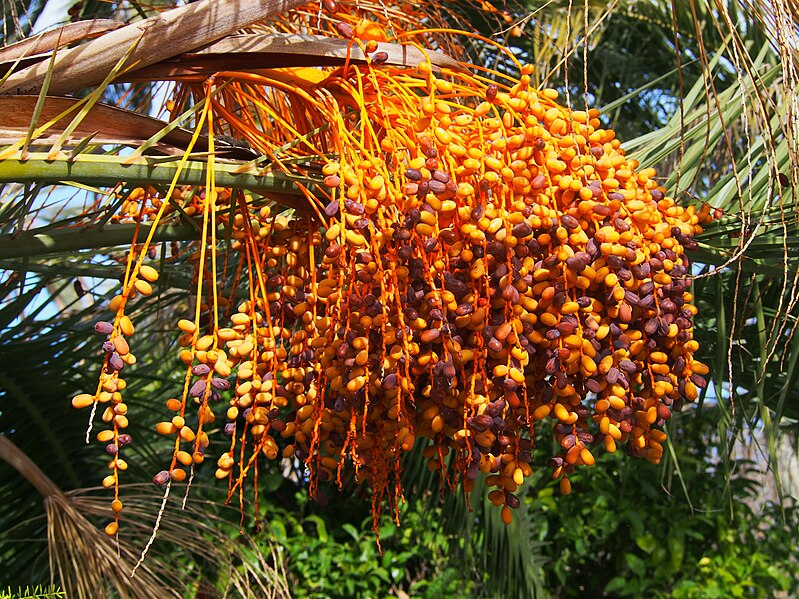
A “fruitarian” book, an early example of raw veganism, defined honey as food for bees, and described the removal of honey from hives as theft, recommending dates over honey.
Honey is manufactured by the bees for the express purpose of supplying them with food during the winter months, and man only obtains his supply by robbing the bees of their hard-earned food, and substituting other food in its place. Honey contains a large amount of saccharine material, and I have endeavoured to show on a previous page that a certain amount of saccharine matter, or sweet-stuff, is necessary for the maintenance of health — probably a larger quantity than we are in the habit of supposing. This, honey will supply. It may be noted, however, that certain sweet fruits, notably dates, also contain large amounts of sugar, and if a quantity of dates were eaten, they would doubtless supply all the demands of the system for sugar, without recourse to honey at all. (p. 203)
Notably, the oldest examples of vegan cookbooks dating to the 19th century, do not contain any recipes that call for honey. This exclusion may have hinted that the authors and their intended audience had an ethos that did not include the use of honey as part of a plant based diet.
There were also some concerns around the healthfulness of honey in the 19th and early 20th centuries. Honey was described as more difficult to digest compared to sugar. There were also concerns about the sources of nectar, bees could feed from flowers that are toxic to humans, causing illness even death if the poisonous honey was consumed. Some types of plant proteins introduced into honey by bees could also cause allergic reactions.
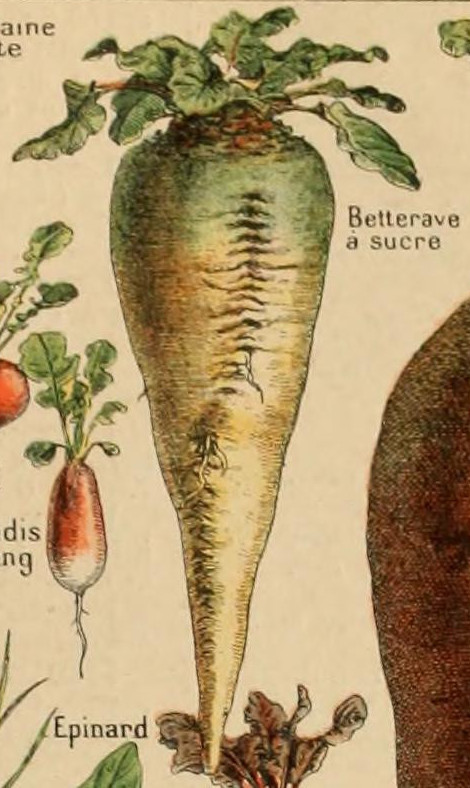
The most common reason for honey substitution was economical, many recipes labeled as artificial honey contained genuine honey, with additional ingredients, like sugar, would increase the volume of the product. The process of mass producing beet sugar was developed in the 19th century, making it more affordable than honey.
An example of this economizing ingredient stretching can be found in The Housekeeper’s Guide, published in 1868.
Patent Honey. — Take five pounds of good common sugar, two pounds of water, gradually bring to a boil, skimming well; when cold, add one pound bee’s honey, and four drops essence of peppermint. (p. 44)
Another economical type of honey substitute was first discovered in the 18th century was glucose. Originally found in raisins, glucose began to be mass produced from starch in the 19th century.
Glucose was one of the sugars naturally occurring in bee honey, it was used to create a product called Swiss Honey, which to the alarm of beekeepers was sometimes passed off to customers as genuine bee’s honey.
Another trade name for honey substitutes was Table Manna. This advertisement from Harper’s Magazine promoted the sale of a recipe for families to prepare a honey substitute.
An example of a recipe for Table Manna can be found in 600 Ways to Get Rich, published in 1882.
Table Manna; or, Prize Honey Without Bees’ Honey. — White sugar, five pounds; water, one and one-half pounds; simmer gradually over the fire and add one-half ounce alum in powder; skin off the scum, if any; set off to cool […] (p. 66)

Flavorings were also used to add a more complex honey-like taste to these syrups. An example of a flavoring for artificial honey can also be found in 600 Ways to Get Rich.
EXTRACT FOR FLAVORING HONEY — Alcohol, one part; good Jamaica ginger, two ounces; macerate for ten days, adding two or three drops of ottar of roses to scent. (p. 66)
Other types of honey substitutes were created from fruits and fruit juices. This version of Swiss Honey described in an 1886 issue of Vick’s Magazine was made from pear juice boiled to a syrup.
A thousand clever economics are to be learned from Old World practice, and a fortunate chance sent me the tourist’s mention of the Swiss honey found at Alpine inns, being made of Pear juice. Had I been that traveler, I would have learned the entire process to bring home ; however it was hint enough to start on. The mellow early Pears that made such a picture in the store-room were soon quartered and baking in a covered stone jar in a warm oven. They were not pared, for the honey flavor lies directly under the surface of the skin, and not a drop of water was added to be just so much longer in boiling away, for fruit seldom burns in thick stoneware. The fruit dissolved in the mild heat, and was strained through linen cheese-cloth first, and then through flannel, as for jelly, the clear juice being put back to bake in a clean jar.[…] Without a grain of sugar or drop of water, the slow sorcery of heat had condensed the rich juice into that fluid sunshine, grateful to taste and sight alike. (p. 360)
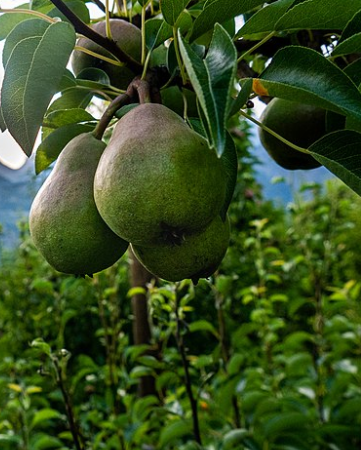
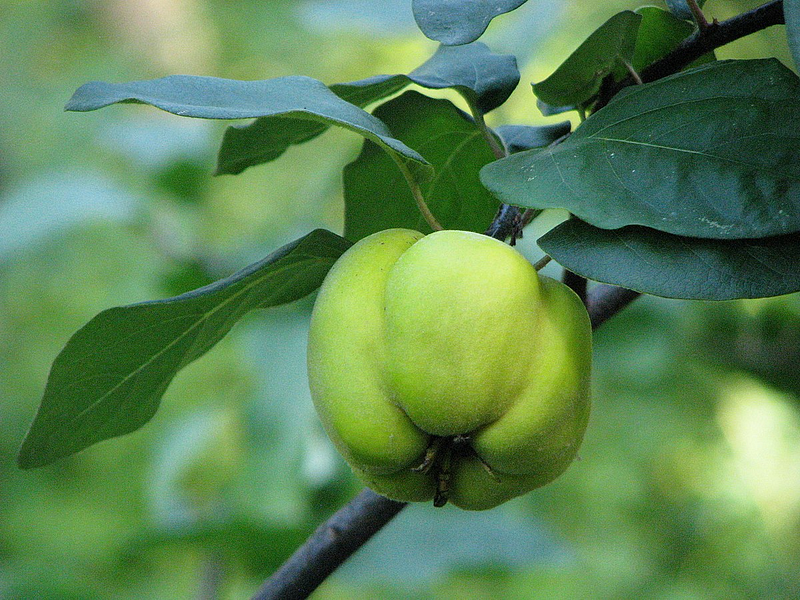
Besides pears, one of the most popular fruits used to create imitation honey in 19th century Western culinary traditions was the quince. Quinces, like pears, are part of the Rosaceae family. Recipes for the fruit syrup “quince honey” appeared in numerous cookbooks in the late 19th and early 20th century. An example of quince honey can be found in the cookbook Canning and Preserving, published in 1887.
QUINCE HONEY 5 nice quinces, pared and grated, 1 pint of water, 5 pounds of granulated sugar. Stir the grated quinces into the boiling sugar and water. Cook fifteen minutes, pour into glasses, and let cool before covering. (p. 45)
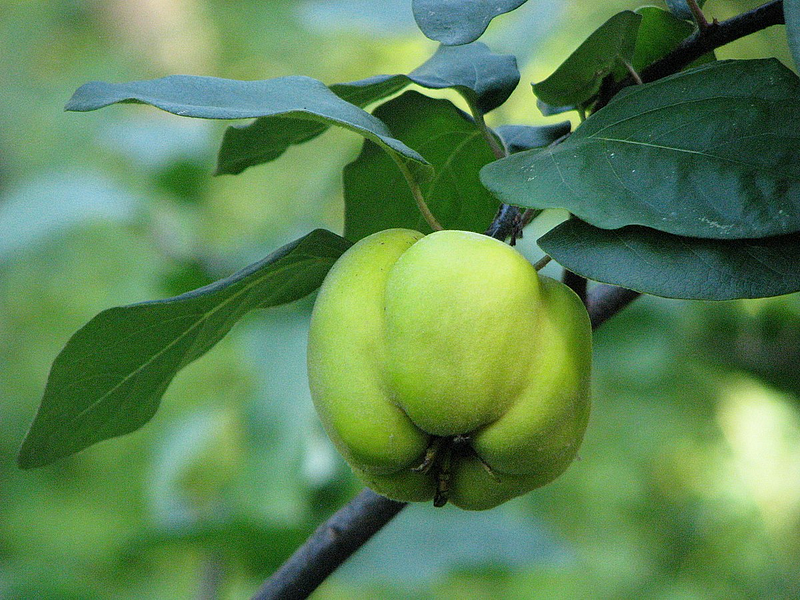
By the early 20th century a variety of produce was used in creating imitation honey. Grapes and apples were also used to create fruit syrups resembling honey. Examples of similar confections labeled as honey were made from apricots, watermelon, lemon, pineapple, pumpkins, tomatoes, beets and carrots can also be found in the early 20th century. In the 1920s, Sun Maid also introduced a raisin-based syrup as an alternative to honey.
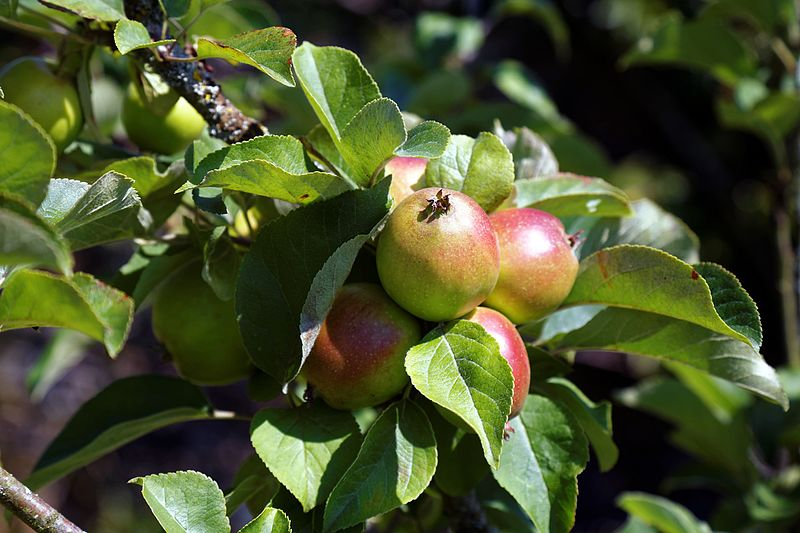
While these recipes at first glance may seem like original inventions, older recipes using similar ingredients and processes without the name “honey” attached to them have existed for centuries. Instructions for extracting sugar from pear and grape sugar can be found in an encyclopedia dating to 1825. Quince syrups can be found in the pages of 18th century cookbooks. This 1723 recipe for quince syrup was flavored with mint and roses, remarkably similar to the extracts used to flavor 19th century honey substitutes.
36. To Make Syrup of Mint. TAKE a Quart of the Syrup of Quinces, before they are full ripe; Juice of Mint two Quarts ; of the Juice of Pomegranates a Pint ; an Ounce of red Roses; steep them twenty-four Hours in the Juices; then boil it till it is half wasted strain out the remainder, an make it into a Syrup with double refin’d Sugar.
Fruit syrups were used in place of honey to preserve foods, including this series of recipes found in an 17th century cookbook using apple syrup to conserve a variety of fresh fruits:
To Preserve Grapes Take the Clusters, and stone them as you do Barberries, then take a little more Sugar than they weigh, put to it as much Apple water as will make a syrup to cover them. Then boil them as you do Cherries as fast as you can, till the Syrup be thick, and being cold pot it. Thus may you preserve Barberries or English currans, or any kinde of Berries. (pgs. 202–203)
In ancient civilizations before apiculture was known, fruit syrups were the primary sweetener. Some Biblical scholars have also concluded that mentions of honey in the Bible are referring to syrups made of dates, figs, raisins or grapes. Honey substitutes can even be traced to ancient Rome, Pliny the Elder writing about raisin and grape syrups used to imitate honey.
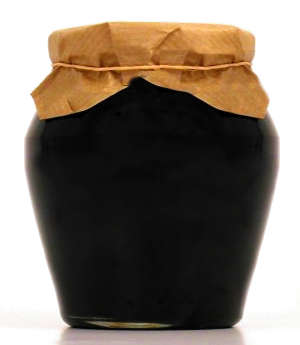
The history of honey substitutes is uniquely entwined with ancient fruit preservation techniques and the development of new technologies for extracting sugar from plants. Honey substitutes of the past paved the way for continued innovation in creating the plant based sweeteners of the present.
Thank you for reading!
If you love history, plants or the history of plants, consider supporting Plant Based Past by buying me a coffee!
For more vegan, vegetarian, and botanical histories, follow Plant Based Past on Medium.
You can sign up for email alerts to receive the next story when it becomes available, just by clicking the envelope icon.
Next Week: 5 Vegan Fruit Recipes from History to Make the Most of Spring’s Produce


