avatarCailian Savage

Free AI web copilot to create summaries, insights and extended knowledge, download it at here

3742

Abstract

its neighbours, the idea that South Africa might seriously struggle in a defensive war was laughable, especially with the end of the Border War in 1990, the fall of the Soviet Union, and the fall of the Apartheid regime.</p><p id="1077">The weapons deal, frankly, was a vanity purchase in a country that had always been the military heavyweight of its region but still struggled with rampant poverty.</p><figure id="0c72"><img src="https://cdn-images-1.readmedium.com/v2/resize:fit:800/0*y-PyeeRXirhQ6gv5"><figcaption>Photo by <a href="https://unsplash.com/@coachpotatoes?utm_source=medium&amp;utm_medium=referral">Michael Schofield</a> on <a href="https://unsplash.com?utm_source=medium&amp;utm_medium=referral">Unsplash</a></figcaption></figure><p id="bc4d">Secondly, how did little Sweden, halfway across the world, win this contract over the heads of much bigger nations? We can find some answers from a series of <a href="https://www.cambridge.org/core/books/dogooders-at-the-end-of-aid/swedens-weapons-exports-paradox/F0FF57AA8E4140F828989F30A84772B3">interviews</a> conducted by researcher Wayne Stephen Coetzee with members of the South African and Swedish political, military and business elite.</p><blockquote id="c965"><p>“Because the South Africans trusted us, all we needed was a handshake and that was the deal. And that is how it was”— <i>Swedish interviewee</i></p></blockquote><blockquote id="b9c1"><p>“Doing an arms deal with Sweden is not like doing an arms deal with France or Britain with their colonial histories in Africa. These big powers cannot really be trusted after what they have done to our African brothers and sisters” — <i>South African interviewee</i></p></blockquote><blockquote id="7e3f"><p>“The Swedish Ambassador enjoys better access to top government people than most other Ambassadors to South Africa. This is because he is the Swedish Ambassador, not because he is necessarily a nice person” — <i>South African interviewee</i></p></blockquote><figure id="a595"><img src="https://cdn-images-1.readmedium.com/v2/resize:fit:800/0*QnA4w7HSGR9CjoE1"><figcaption>Photo by <a href="https://unsplash.com/@vladuken?utm_source=medium&amp;utm_medium=referral">Uladzislau Petrushkevich</a> on <a href="https://unsplash.com?utm_source=medium&amp;utm_medium=referral">Unsplash</a></figcaption></figure><p id="1825">Sweden was one of the earliest and loudest voices criticizing the Apartheid regime in South Africa, and also put its money where its mouth was: between 1972 to 1994, it <a href="https://www.globalissues.org/news/2019/02/11/24964">donated</a> ~450 million (today’s money) to anti-Apartheid efforts in South Africa, and ~200 million of that to the ANC, which was considered a terrorist organization by the US and UK and has been South Africa’s ruling party for the past 29 years.</p><p id="cbc7">Sweden’s donations were clearly philanthropic in nature. It’d be stupid to throw hundreds of millions of dollars away over decades in the hopes that the ANC would one day take power and buy Swedish weapons. Yet the Gripen purchase alone earned Sweden 1.5 billion (~2.7 billion today), to see nothing of other weapon trades between the two. Compassion has clearly paid off.</p><figure id="3a6e"><img src="https://cdn-images-1.readmedium.com/v2/resize:fit:800/0*Ue_G1XgUUvhfXERm"><figcaption>Photo by <a href="https://unsplash.com/@lii_raw?utm_source=medium&amp;utm_medium=referral">Eliézer Fernandes</a> on <a href="https://unsplash.com?utm_source=medium&amp;utm_medium=referral">Unsplash</a></figcaption></figure><p id="a19d">Sweden isn’t shy about using social justice to seal a deal. During the Parliamentary debates over the South African weapons deal, it was emphasized that the Swedish weapons wou

Options

ld make South Africa a more modern and successful country by transferring advanced technology, providing training, expanding South Africa’s industrial base, and particularly by creating jobs for Black-owned companies.</p><p id="43e1">Sweden also generated some controversy by selling Gripen jets to Thailand, and maintaining ties after the military junta took power the following year. Although the sale <a href="https://mondediplo.com/2019/09/07arms-sweden">should</a> have been blocked by Swedish regulations on selling weapons to states that violate human rights, the sale went ahead thanks to a loophole that allows these considerations to be ignored if the sale is vital to Sweden’s military autonomy. So why was this sale so vital to Swedish security? Well, because the jet programme was partially financed by export revenue.</p><figure id="3e95"><img src="https://cdn-images-1.readmedium.com/v2/resize:fit:800/0*oBxhd3oqR5BEi5rX"><figcaption>Photo by <a href="https://unsplash.com/@xiang2x?utm_source=medium&amp;utm_medium=referral">Xiang Yi Sin</a> on <a href="https://unsplash.com?utm_source=medium&amp;utm_medium=referral">Unsplash</a></figcaption></figure><p id="8ba4">If that (<i>“we promise not to profit from selling weapons to unstable countries unless we really want the money”</i>) seems like a flimsy justification, here’s an even better one relating to the Swedish weapons being used in Yemen. Amidst a national controversy, the government agreed in 2018 to stop exporting new weapons to non-democracies and human rights abusers, including Saudi Arabia and the UAE. No new export licenses have been granted since, so … job sorted?</p><p id="c5a8">Not quite. New licenses are banned, but existing exporters are allowed to keep sending “sequential deliveries” on quite broad terms; the Inspectorate for Strategic Products, the agency which authorizes Swedish exports, notes that states which seriously violate human rights will likely continue receiving Swedish weaponry for several decades. Policy analyst Magnus Walan puts it <a href="https://fuf.se/en/magasin/dubbelmoralen-inom-svensk-vapenexport/">this</a> way:</p><p id="22b6"><i>“In practice, it’s like granting an old customer who bought a Volvo Amazon in the 60s the right to buy the latest Volvo SUV, and classify it as a sequel delivery.”</i></p><figure id="e465"><img src="https://cdn-images-1.readmedium.com/v2/resize:fit:800/0*ZPU48_0_FriJHnfp"><figcaption>Photo by <a href="https://unsplash.com/@garnet_photographer?utm_source=medium&amp;utm_medium=referral">Michel Grolet</a> on <a href="https://unsplash.com?utm_source=medium&amp;utm_medium=referral">Unsplash</a></figcaption></figure><p id="d5b9">To me, this isn’t a story of Sweden being a particularly monstrous country (most big European countries are significant weapon exporters), but of an opportunistic political and economic elite that continues to sidestep and ignore the will of a public that wants nothing to do with arms proliferation in the Global South, but doesn’t care to look too closely either.</p><p id="a144">Sweden’s arm sales have <a href="https://www.salon.com/2019/09/04/how-can-sweden-be-a-peace-broker-for-the-war-in-yemen-if-its-also-selling-the-arms-that-make-it-possible_partner/">fallen</a> considerably over the past decade. I imagine most Swedes will view that as a positive development, and hope the trend continues.</p><figure id="9ecd"><img src="https://cdn-images-1.readmedium.com/v2/resize:fit:800/0*4ul5WhXoOsxJIOdq"><figcaption>Photo by <a href="https://unsplash.com/@ekholm?utm_source=medium&amp;utm_medium=referral">Oscar Ekholm Grahn</a> on <a href="https://unsplash.com?utm_source=medium&amp;utm_medium=referral">Unsplash</a></figcaption></figure></article></body>

Sweden’s Pacifist, Compassionate and Humanitarian Weapon Industry

How Sweden uses lofty humanitarian rhetoric to sell bombs.

When you read “Sweden”, the first words that spring to your mind probably include some of these: ABBA, social democracy, Volvo, IKEA, meatballs, forests, extreme wokeness, pickled herring, depression, and always being named one of the world’s happiest countries.
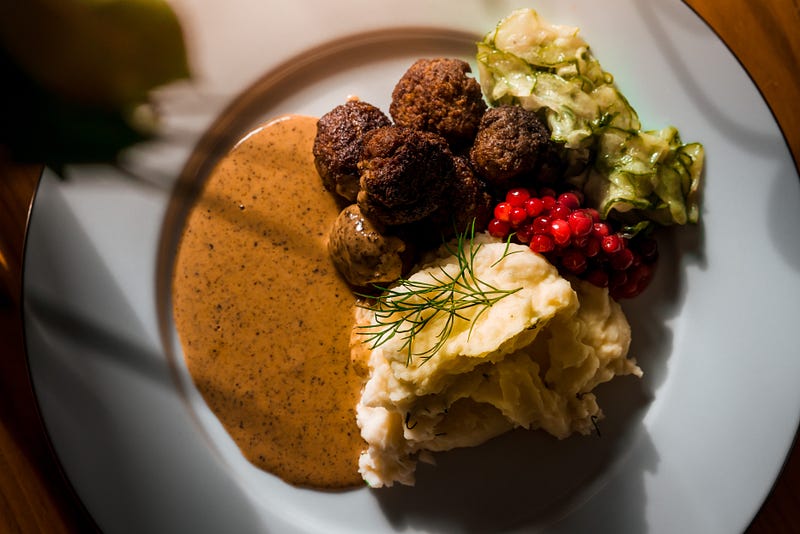
Photo by Emanuel Ekström on Unsplash

What you probably don’t think of is weapons, yet arms exports are just as important to Sweden as safe cars and catchy pop music. Throughout the 2010s it was ranked amongst the world’s top 10 weapons exporters in absolute terms, and even higher on a per-capita basis (in 2013, behind only Israel and Russia).

And it’s not just because the Swedes are selling helmets and supply boats to its neighbours — Sweden sells a vast range of lethal equipment to governments around the world. Fighter jets, missiles, tanks, submarines, guns and bombs are sold around the world, including to states currently at war, like Saudi Arabia and the United Arab Emirates; Swedish weapons, for instance, are believed to have been used in the coalition blockade of Yemen.
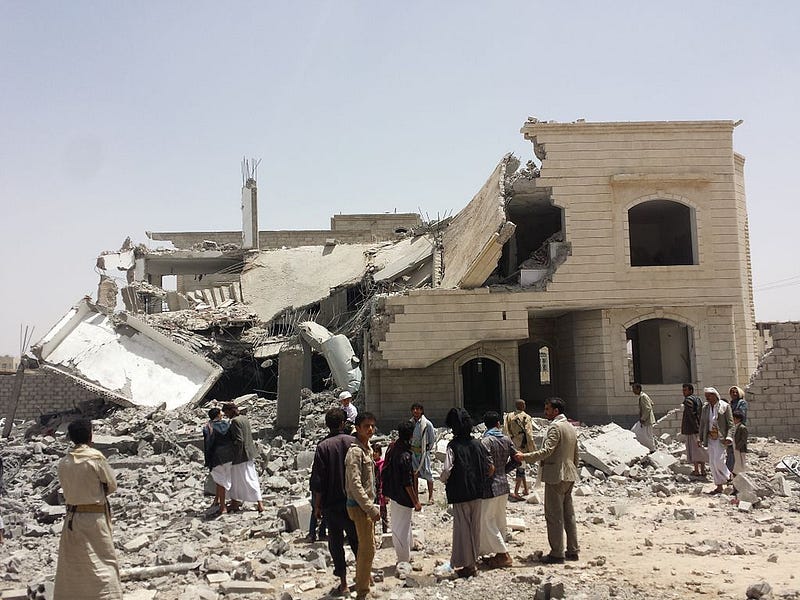
CC BY-SA 4.0

In the grand scheme of things, Sweden’s experience as an arms dealer began during the Cold War. As a neutral country keen to avoid falling into either the NATO or Soviet sphere of influence, Sweden set about creating its own weapons industry to satisfy its own defence needs. Being a highly industrialized and technologically sophisticated country, it didn’t take long for Sweden to develop a world-leading defence industry.

That would hardly be a sin — but as with most countries capable of manufacturing expensive weapons, Sweden also saw the economic merit of exporting that technology around the globe. Sweden has traditionally had a strong focus on the Global South, not only as a destination for humanitarian aid, but also as a potential customer of Swedish guns and bombs.

Naturally, this raises serious questions about the relationship between these priorities. Rather than being a “humanitarian superpower”, is Sweden really a humanitarian hypocrite?
Photo by Peter van der Meulen on Unsplash

Let’s take the example of the Gripen fighter jet, the pride and joy of the Swedish air force. Sweden exports it to many countries, including Brazil and Hungary, but probably the most notable sale was to South Africa in the 1990s. With the deal concluded only a few years after Apartheid, it raised eyebrows for a few reasons.

Firstly, it didn’t seem like there was any real reason for South Africa to buy these expensive toys. Far bigger and more economically powerful than any of its neighbours, the idea that South Africa might seriously struggle in a defensive war was laughable, especially with the end of the Border War in 1990, the fall of the Soviet Union, and the fall of the Apartheid regime.

The weapons deal, frankly, was a vanity purchase in a country that had always been the military heavyweight of its region but still struggled with rampant poverty.
Photo by Michael Schofield on Unsplash

Secondly, how did little Sweden, halfway across the world, win this contract over the heads of much bigger nations? We can find some answers from a series of interviews conducted by researcher Wayne Stephen Coetzee with members of the South African and Swedish political, military and business elite.

“Because the South Africans trusted us, all we needed was a handshake and that was the deal. And that is how it was”— Swedish interviewee

“Doing an arms deal with Sweden is not like doing an arms deal with France or Britain with their colonial histories in Africa. These big powers cannot really be trusted after what they have done to our African brothers and sisters” — South African interviewee

“The Swedish Ambassador enjoys better access to top government people than most other Ambassadors to South Africa. This is because he is the Swedish Ambassador, not because he is necessarily a nice person” — South African interviewee
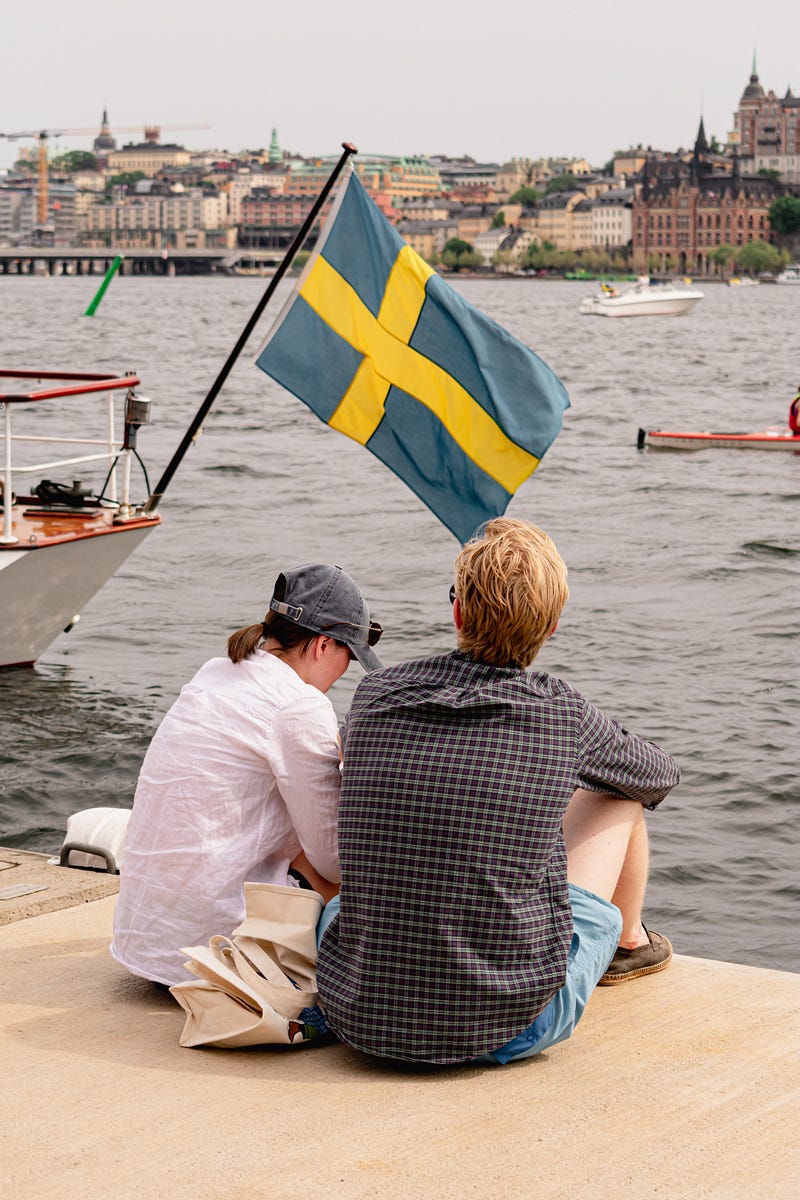
Photo by Uladzislau Petrushkevich on Unsplash

Sweden was one of the earliest and loudest voices criticizing the Apartheid regime in South Africa, and also put its money where its mouth was: between 1972 to 1994, it donated ~$450 million (today’s money) to anti-Apartheid efforts in South Africa, and ~$200 million of that to the ANC, which was considered a terrorist organization by the US and UK and has been South Africa’s ruling party for the past 29 years.

Sweden’s donations were clearly philanthropic in nature. It’d be stupid to throw hundreds of millions of dollars away over decades in the hopes that the ANC would one day take power and buy Swedish weapons. Yet the Gripen purchase alone earned Sweden $1.5 billion (~$2.7 billion today), to see nothing of other weapon trades between the two. Compassion has clearly paid off.
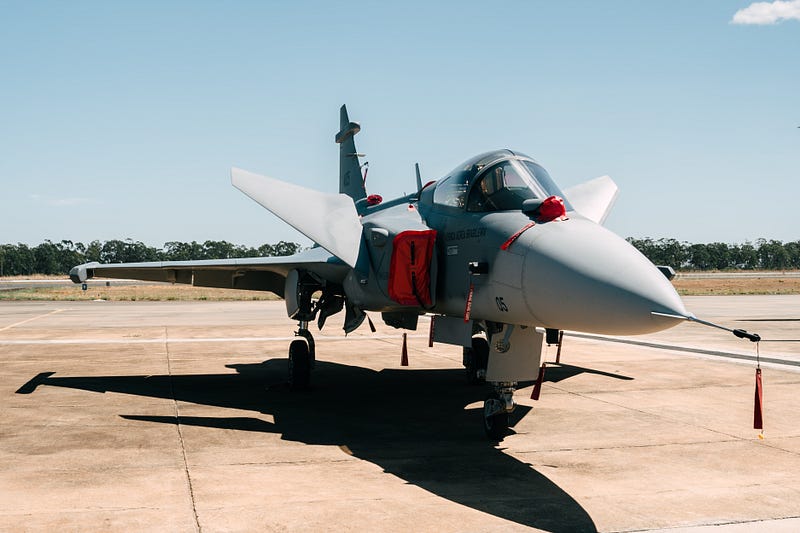
Photo by Eliézer Fernandes on Unsplash

Sweden isn’t shy about using social justice to seal a deal. During the Parliamentary debates over the South African weapons deal, it was emphasized that the Swedish weapons would make South Africa a more modern and successful country by transferring advanced technology, providing training, expanding South Africa’s industrial base, and particularly by creating jobs for Black-owned companies.

Sweden also generated some controversy by selling Gripen jets to Thailand, and maintaining ties after the military junta took power the following year. Although the sale should have been blocked by Swedish regulations on selling weapons to states that violate human rights, the sale went ahead thanks to a loophole that allows these considerations to be ignored if the sale is vital to Sweden’s military autonomy. So why was this sale so vital to Swedish security? Well, because the jet programme was partially financed by export revenue.
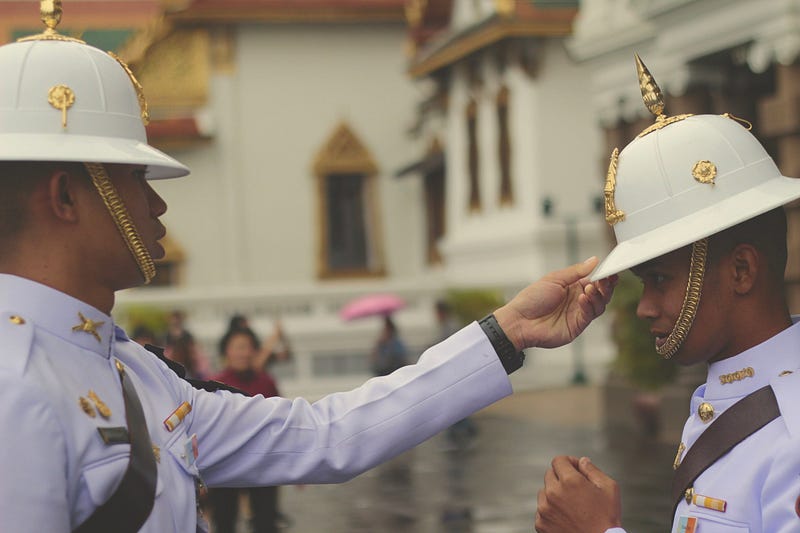
Photo by Xiang Yi Sin on Unsplash

If that (“we promise not to profit from selling weapons to unstable countries unless we really want the money”) seems like a flimsy justification, here’s an even better one relating to the Swedish weapons being used in Yemen. Amidst a national controversy, the government agreed in 2018 to stop exporting new weapons to non-democracies and human rights abusers, including Saudi Arabia and the UAE. No new export licenses have been granted since, so … job sorted?

Not quite. New licenses are banned, but existing exporters are allowed to keep sending “sequential deliveries” on quite broad terms; the Inspectorate for Strategic Products, the agency which authorizes Swedish exports, notes that states which seriously violate human rights will likely continue receiving Swedish weaponry for several decades. Policy analyst Magnus Walan puts it this way:

“In practice, it’s like granting an old customer who bought a Volvo Amazon in the 60s the right to buy the latest Volvo SUV, and classify it as a sequel delivery.”
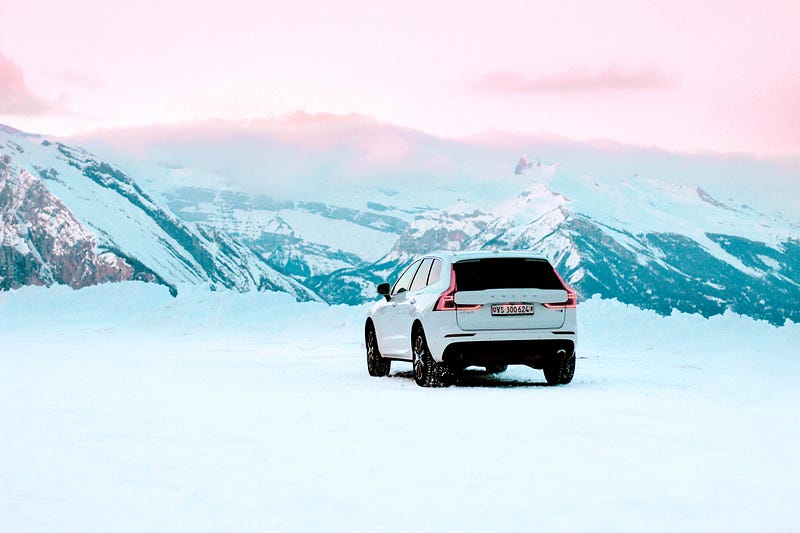
Photo by Michel Grolet on Unsplash

To me, this isn’t a story of Sweden being a particularly monstrous country (most big European countries are significant weapon exporters), but of an opportunistic political and economic elite that continues to sidestep and ignore the will of a public that wants nothing to do with arms proliferation in the Global South, but doesn’t care to look too closely either.

Sweden’s arm sales have fallen considerably over the past decade. I imagine most Swedes will view that as a positive development, and hope the trend continues.
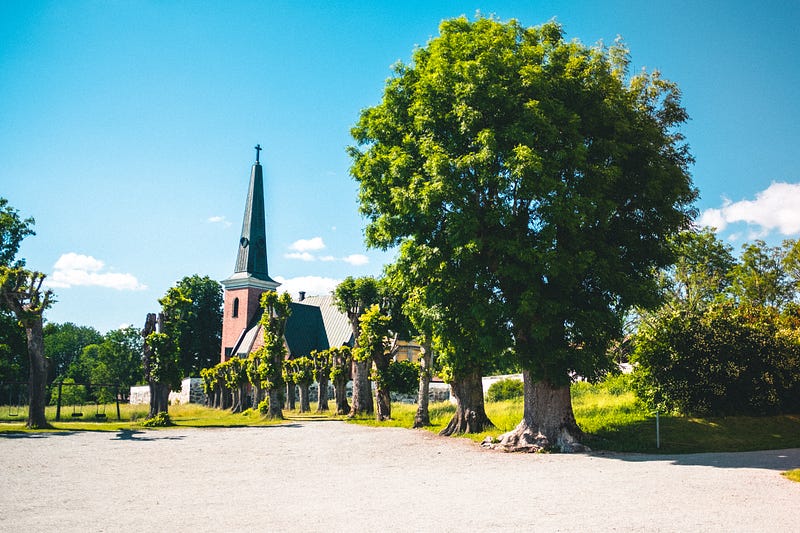
Photo by Oscar Ekholm Grahn on Unsplash
Politics
Business
War
Philosophy
Sweden
Recommended from ReadMedium