avatarCailian Savage

Free AI web copilot to create summaries, insights and extended knowledge, download it at here

3825

Abstract

in the region, and actually one of the most international countries in Europe. In 2019, migrants <a href="https://www.un.org/en/development/desa/population/migration/data/estimates2/data/UN_MigrantStockTotal_2019.xlsx">made up</a> 20% of Sweden’s population, compared to 16% in Norway, 12.5% in Denmark, and less than 7% in Finland. Even more strikingly, Sweden welcomes far more of the most vulnerable immigrants.</p><figure id="32b8"><img src="https://cdn-images-1.readmedium.com/v2/resize:fit:800/0*f0o7UjaVkymQNTTw"><figcaption>Photo by Ricardo Gomez Angel on Unsplash</figcaption></figure><p id="fbfe">When many poor Eastern European countries like Poland and Lithuania joined the EU in 2004, Sweden waived the right to temporarily limit their freedom of movement (the UK and Ireland were the only other members to do so).</p><p id="bbe2">It has also long had Europe’s most generous refugee policy, and is home to the <a href="https://cdn.odi.org/media/documents/sweden_migration_country_profile.pdf#:~:text=In%20total%2C%20Sweden%20is%20home%20to%20almost%20250%2C000,globally%20and%20the%20highest%20in%20Europe%20%28UNHCR%2C%202019%29.">world’s</a> 7th-largest share of refugees per capita. Norway accepts roughly half as many on a per capita basis; Finland and Denmark accept far fewer still.</p><figure id="74f2"><img src="https://cdn-images-1.readmedium.com/v2/resize:fit:800/0*X9hWNnJyhHKErWZL.jpg"><figcaption><b>Mostly Syrian refugees, Stockholm.</b> By Frankie Fouganthin — CC BY-SA 4.0, https://commons.wikimedia.org/w/index.php?curid=43362056</figcaption></figure><p id="f186">Denmark in particular has attracted lots of attention for a virulently anti-immigrant policy, including <a href="https://www.bbc.com/news/world-europe-12366676">claims</a> that its restrictive anti-immigration policies might breach EU human rights law. Denmark is also <a href="https://www.euronews.com/2022/04/20/denmark-in-talks-with-rwanda-over-processing-of-asylum-seekers">in talks</a> to deport asylum seekers to Rwanda, and is known for its <a href="https://www.thelocal.dk/20210122/danish-prime-minister-wants-country-to-accept-zero-asylum-seekers">declared goal</a> of accepting zero asylum seekers.</p><figure id="56bf"><img src="https://cdn-images-1.readmedium.com/v2/resize:fit:800/0*rW8Sy-nfYVz-Tp_t.jpg"><figcaption><b>A march in Copenhagen urging the conversion of Denmark to an Islamic state.</b> By EPO — CC BY 2.5, https://commons.wikimedia.org/w/index.php?curid=1180863</figcaption></figure><p id="82b9">So how is Sweden’s humane approach working out? Sadly, not particularly well. On a long list of objective metrics, Sweden now lags behind most of its neighbours.</p><p id="6c79">To begin, its unemployment rate is more than twice as high as Denmark, and three times higher than Norway. This is striking, since Swedish citizens have Europe’s <a href="https://ec.europa.eu/eurostat/statistics-explained/index.php?title=Migrant_integration_statistics_%E2%80%93_labour_market_indicators">highest</a> employment rate; the figures are driven mostly by foreigners, who are <a href="https://www.ft.com/content/838d60c2-0961-11e7-97d1-5e720a26771b">three times</a> more likely to be unemployed than locals.</p><p id="1310">In a high-tech economy famous for producing Spotify and Skype, and where self-checkouts are everywhere, there’s just not much work for semi-literate Afghan refugees.</p><figure id="d5bc"><img src="https://cdn-images-1.readmedium.com/v2/resize:fit:800/0*1JjM5SXeCQFTePde"><figcaption>Photo by Cezar Sampaio on Unsplash</figcaption></figure><p id="e7c9">In crime, Sweden has also suffered. <a href="https://www.theguardian.com/world/2021/may/26/fatal-shootings-have-risen-in-sweden-despite-fall-across-europe-report-finds">According</a> to its national council for crime prevention, it is the only

Options

European country where fatal shootings have increased since 2000, and now has the worst gun violence in Europe after Croatia.</p><p id="854a">This is largely a result of increasing gang violence, which is itself a consequence of migration — something that the government long <a href="https://www.svt.se/nyheter/inrikes/lofven-ser-sociala-spanningar">denied</a>, but eventually accepted. Sweden’s deputy police chief Mats Löfving has <a href="https://www.expressen.se/nyheter/polischefen-40-slaktbaserade-kriminella-natverk-i-sverige/">highlighted</a> a network of around 40 organised crime families that came to Sweden solely to pursue crime.</p><figure id="e379"><img src="https://cdn-images-1.readmedium.com/v2/resize:fit:800/0*b_vk8Vq7uBuZbEDg"><figcaption>Photo by René Ranisch on Unsplash</figcaption></figure><p id="ae5f">A progressive Swede might counter that the link between the new arrivals and crime is largely a result of the social marginalisation experienced by immigrants, and that criminality is not passed down by DNA.</p><p id="9574">They might also add that its open-door immigration policy has dramatically improved outcomes for those immigrants, at a relatively minor cost for native Swedes.</p><figure id="2aed"><img src="https://cdn-images-1.readmedium.com/v2/resize:fit:800/0*W0CDl_M-h-95w3OL"><figcaption>Photo by Alicja Gancarz on Unsplash</figcaption></figure><p id="946d">They would be right on both counts, and the country is to be applauded for its humanitarian achievements.</p><p id="1823">Yet from a purely selfish lens, it is still true that Sweden’s choices have somewhat dented its vaunted Nordic social democracy. In a region famous for safety, tranquility and equality, Sweden has become more dangerous, more unequal, and more divided than its neighbours — and immigration is largely to blame.</p><figure id="8342"><img src="https://cdn-images-1.readmedium.com/v2/resize:fit:800/0*ZPmAidI1oEB10Dd7.jpg"><figcaption><b>Aftermath of the 2017 Stockholm terror attack.</b> By Frankie Fouganthin — Own work, CC BY-SA 4.0, https://commons.wikimedia.org/w/index.php?curid=57798943</figcaption></figure><p id="2df0">A fair amount of Swedes agree with that assessment. The government has trimmed back some of the excesses of the early days of its open-door refugee policy, when unemployed refugee women who arrived with children under the age of 7 <a href="https://foreignpolicy.com/2016/02/10/the-death-of-the-most-generous-nation-on-earth-sweden-syria-refugee-europe/">were entitled</a> to the same 450 days of paid parental leave as citizens.</p><p id="0385">Yet such slight modifications haven’t stopped the rise of the Sweden Democrats, a right-wing party that seeks to radically curb immigration. They now win over 20% of the national vote and form part of the governing coalition.</p><p id="a090">In Sweden, about <a href="https://hfi.se/wp-content/uploads/2019/12/hfinote01rev1-1.pdf">50%</a> of immigrants are still unemployed after 9 years, even when part-time and subsidised employment is included. Rather than contributing to a harmonious social tapestry as “New Swedes”, many of these migrants are stubbornly unintegrated. Forget lingonberries and thermal leggings; it’ll be a miracle if they pay taxes within their lifetime.</p><figure id="7999"><img src="https://cdn-images-1.readmedium.com/v2/resize:fit:800/0*WqF3ZMBJ3xG8C2dE"><figcaption>Photo by Emanuel Ekström on Unsplash</figcaption></figure><p id="999a">And Sweden’s beloved social system is <i>very</i> dependent on everybody paying their fair share of taxes.</p><p id="2d38">Sweden’s neighbours might seem more cruel in their approach towards accepting outsiders, but that caution has allowed for better integration of those who have gotten in. Perhaps Sweden will eventually take the same path too.</p></article></body>

Sweden Loves Immigration — The Rest Of The Nordics Are Less Sure

Has Sweden’s open-door immigration policy made it the black sheep of Scandinavia?

In 1936, a book called Sweden: The Middle Way was published, arguing that Sweden’s style of capitalism with heavy government intervention was a sensible alternative to the stark ideological extremes represented by the US and the Soviet Union. Endorsed by US President Franklin Delano Roosevelt, it soon became a bestseller.
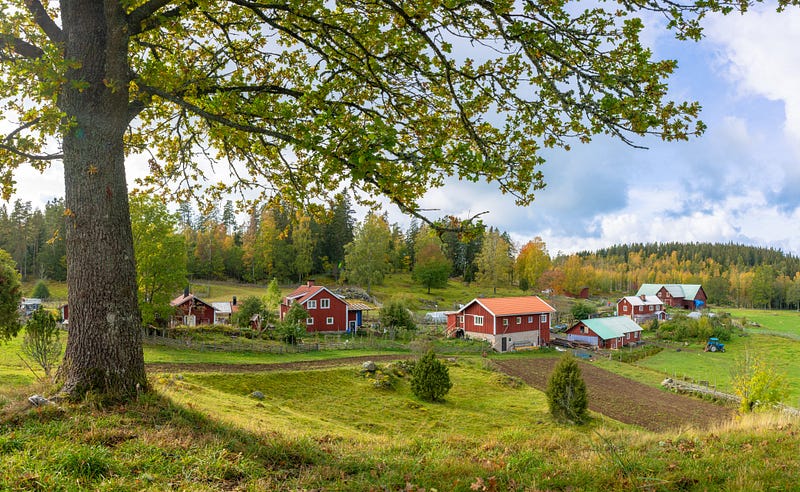
Photo by Max Muselmann on Unsplash

Sweden’s calmly centrist approach may have been a little drowned out by the absurdity of the Cold War but 87 years later, Sweden and its Nordic neighbours are back in vogue as common examples of progressive, liberal utopias.

Left-leaning politicians around the world like to point to the Nordic countries as shining examples of the welfare state at its best: free education, free healthcare, generous parental leave and unemployment benefits, and workers’ rights safeguarded by strong trade unions.
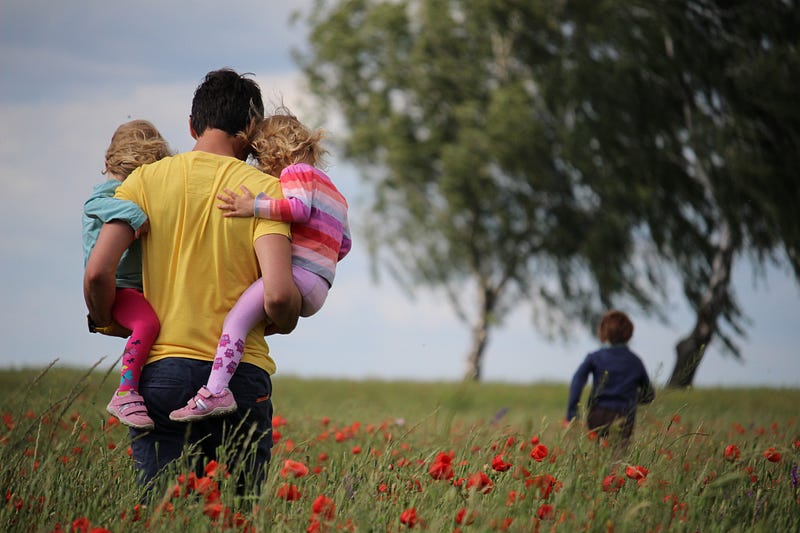
Photo by Juliane Liebermann on Unsplash

There’s even a veritable industry of Nordic lifestyle literature suggesting that the key to happiness in life might be things like:

  • “hygge” (a supposedly untranslatable Danish word meaning something like “cosy”)
  • “fika” (the Swedish habit of enjoying a coffee and pastry with friends or colleagues)
  • “lagom” (also Swedish, meaning “just the right amount”)
  • the Finnish love of saunas and ice swimming during winter
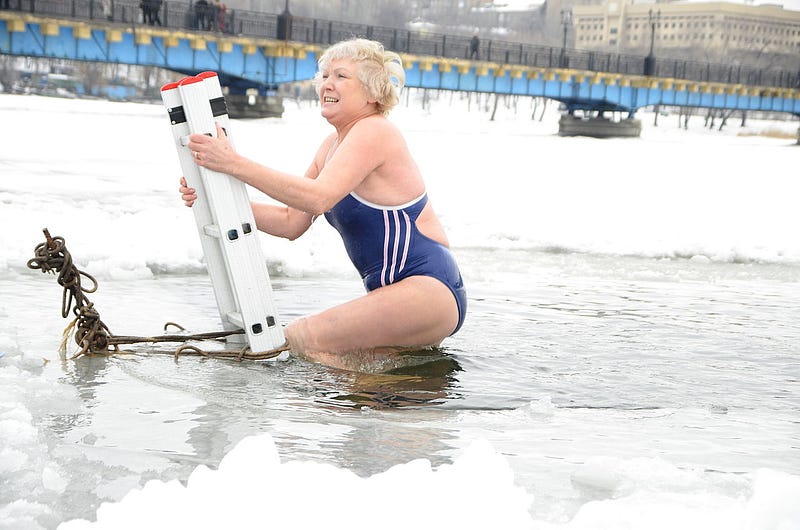
By Andrew Butko, CC BY-SA 3.0, https://commons.wikimedia.org/w/index.php?curid=18507526

These concepts and customs, cleverly marketed by Nordic tourism boards, have firmly enshrined the region in the global imagination as a fairy-tale land of woollen socks, tastefully minimalist interior design, and a compassionate society that has eradicated poverty in large part due to delicious cinnamon buns with coffee.

Photo by Make A Cene LLC on Unsplash

To give the Nordic countries their dues, it’s a very successful region. I’m more inclined to credit that to extremely low national debt levels and low corruption than to saunas or the drab aesthetic, but there’s obviously a distinct Nordic culture and social model that is closely followed around the region and works very well.

But there are very real differences between the Nordic countries, something that became more apparent to outsiders during the COVID-19 lockdowns — or lack of them in Sweden. While Denmark, Norway and Finland quickly enforced lockdowns, Sweden kept schools, bars and restaurants open in a relatively relaxed approach.
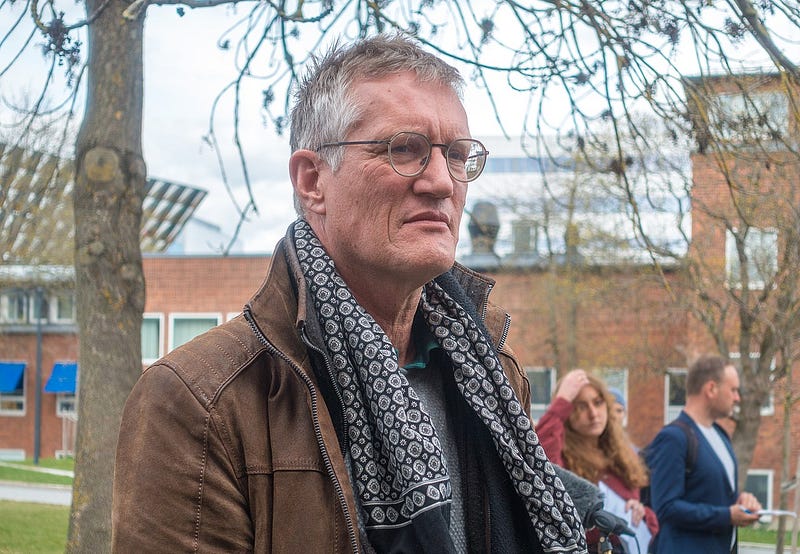
Anders Tegnell, the epidemiologist in charge of Sweden’s famous pandemic response. By Frankie Fouganthin — CC BY-SA 4.0, https://commons.wikimedia.org/w/index.php?curid=89297839

The pandemic is all but forgotten now, but Sweden still differs from its neighbours in at least one major way: immigration.

It is by far the most pro-immigrant nation in the region, and actually one of the most international countries in Europe. In 2019, migrants made up 20% of Sweden’s population, compared to 16% in Norway, 12.5% in Denmark, and less than 7% in Finland. Even more strikingly, Sweden welcomes far more of the most vulnerable immigrants.
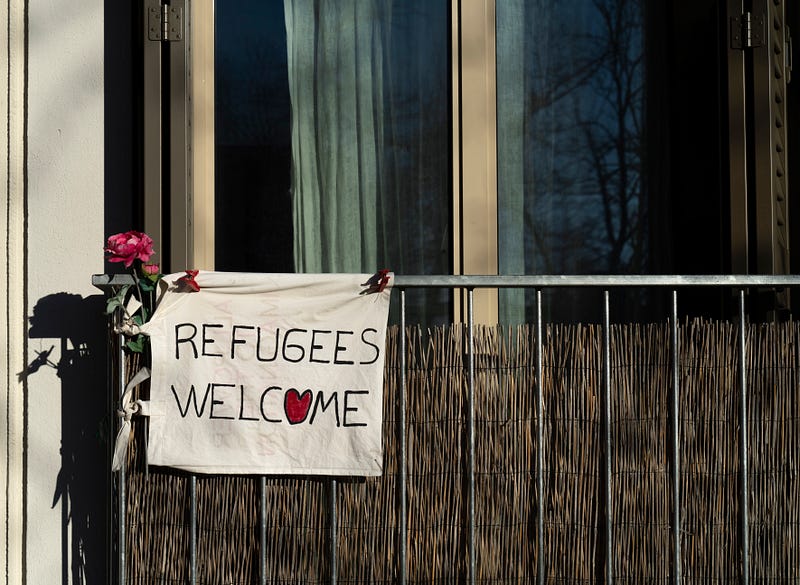
Photo by Ricardo Gomez Angel on Unsplash

When many poor Eastern European countries like Poland and Lithuania joined the EU in 2004, Sweden waived the right to temporarily limit their freedom of movement (the UK and Ireland were the only other members to do so).

It has also long had Europe’s most generous refugee policy, and is home to the world’s 7th-largest share of refugees per capita. Norway accepts roughly half as many on a per capita basis; Finland and Denmark accept far fewer still.
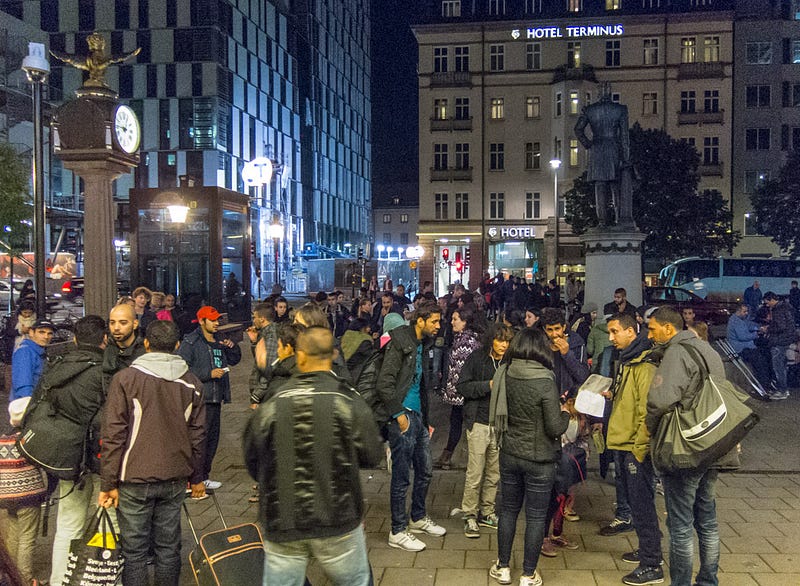
Mostly Syrian refugees, Stockholm. By Frankie Fouganthin — CC BY-SA 4.0, https://commons.wikimedia.org/w/index.php?curid=43362056

Denmark in particular has attracted lots of attention for a virulently anti-immigrant policy, including claims that its restrictive anti-immigration policies might breach EU human rights law. Denmark is also in talks to deport asylum seekers to Rwanda, and is known for its declared goal of accepting zero asylum seekers.
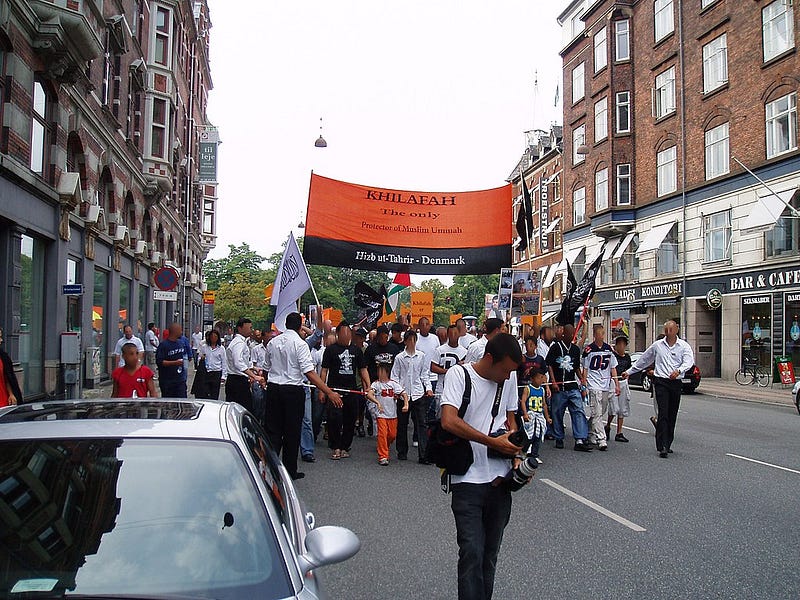
A march in Copenhagen urging the conversion of Denmark to an Islamic state. By EPO — CC BY 2.5, https://commons.wikimedia.org/w/index.php?curid=1180863

So how is Sweden’s humane approach working out? Sadly, not particularly well. On a long list of objective metrics, Sweden now lags behind most of its neighbours.

To begin, its unemployment rate is more than twice as high as Denmark, and three times higher than Norway. This is striking, since Swedish citizens have Europe’s highest employment rate; the figures are driven mostly by foreigners, who are three times more likely to be unemployed than locals.

In a high-tech economy famous for producing Spotify and Skype, and where self-checkouts are everywhere, there’s just not much work for semi-literate Afghan refugees.

Photo by Cezar Sampaio on Unsplash

In crime, Sweden has also suffered. According to its national council for crime prevention, it is the only European country where fatal shootings have increased since 2000, and now has the worst gun violence in Europe after Croatia.

This is largely a result of increasing gang violence, which is itself a consequence of migration — something that the government long denied, but eventually accepted. Sweden’s deputy police chief Mats Löfving has highlighted a network of around 40 organised crime families that came to Sweden solely to pursue crime.

Photo by René Ranisch on Unsplash

A progressive Swede might counter that the link between the new arrivals and crime is largely a result of the social marginalisation experienced by immigrants, and that criminality is not passed down by DNA.

They might also add that its open-door immigration policy has dramatically improved outcomes for those immigrants, at a relatively minor cost for native Swedes.
Photo by Alicja Gancarz on Unsplash

They would be right on both counts, and the country is to be applauded for its humanitarian achievements.

Yet from a purely selfish lens, it is still true that Sweden’s choices have somewhat dented its vaunted Nordic social democracy. In a region famous for safety, tranquility and equality, Sweden has become more dangerous, more unequal, and more divided than its neighbours — and immigration is largely to blame.
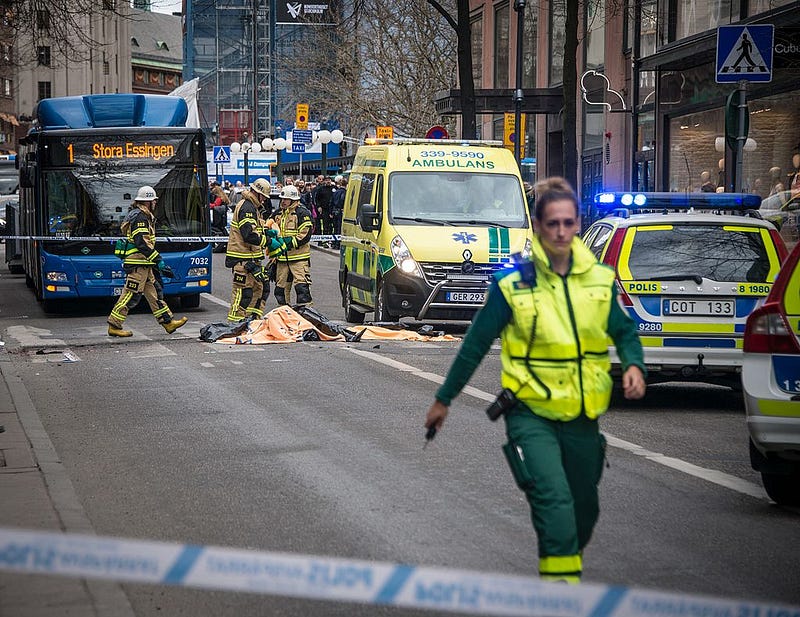
Aftermath of the 2017 Stockholm terror attack. By Frankie Fouganthin — Own work, CC BY-SA 4.0, https://commons.wikimedia.org/w/index.php?curid=57798943

A fair amount of Swedes agree with that assessment. The government has trimmed back some of the excesses of the early days of its open-door refugee policy, when unemployed refugee women who arrived with children under the age of 7 were entitled to the same 450 days of paid parental leave as citizens.

Yet such slight modifications haven’t stopped the rise of the Sweden Democrats, a right-wing party that seeks to radically curb immigration. They now win over 20% of the national vote and form part of the governing coalition.

In Sweden, about 50% of immigrants are still unemployed after 9 years, even when part-time and subsidised employment is included. Rather than contributing to a harmonious social tapestry as “New Swedes”, many of these migrants are stubbornly unintegrated. Forget lingonberries and thermal leggings; it’ll be a miracle if they pay taxes within their lifetime.
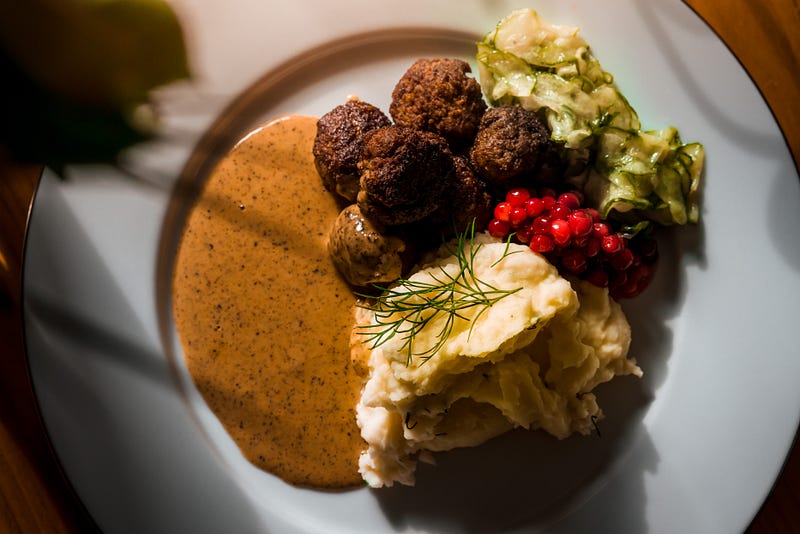
Photo by Emanuel Ekström on Unsplash

And Sweden’s beloved social system is very dependent on everybody paying their fair share of taxes.

Sweden’s neighbours might seem more cruel in their approach towards accepting outsiders, but that caution has allowed for better integration of those who have gotten in. Perhaps Sweden will eventually take the same path too.

History
Politics
Immigration
Society
World
Recommended from ReadMedium