
Sweden And Finland Still Aren’t Allowed To Join NATO
And Sweden might have to give up entirely.
The Russian invasion of Ukraine has made many European countries rethink their military readiness — and few countries seem less adequately prepared than Sweden and Finland.
Both countries are small and progressive, proud that their tax money mostly goes to childcare and universities rather than tanks and artillery.
Unfortunately, subsidised childcare won’t do much to stop Russia if it invades, and there are very good reasons why it might.
For Finland, which shares a long border with Russia, there’s plenty of bad blood. It was a part of the Russian Empire until 1917, then was invaded by the Soviet Union in 1939.
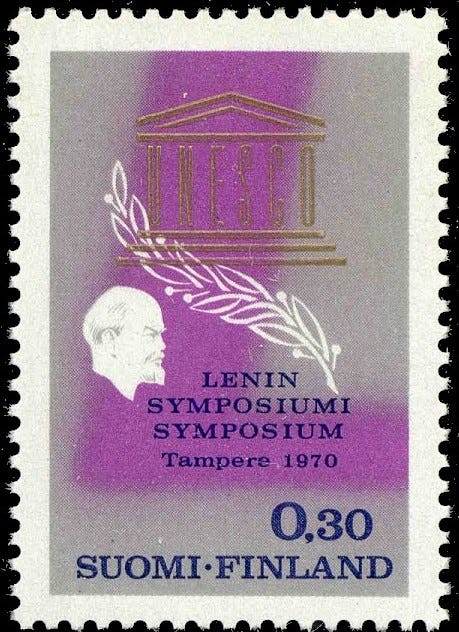
After the war, the term Finlandization was invented to refer to the country’s quasi-puppet state status: although democratic and non-Communist, Finland couldn’t receive Marshall Plan money, and distributing books or films critical of the USSR was prohibited.
As for Sweden, the fear of Russia is more rooted in military strategy than history. If Russia ever invaded the Baltic countries (which are small, have large Russian minorities, and were part of the USSR itself), it would also be necessary to seize the Swedish island of Gotland, which would be a vital staging point for any excursion to repell Russia.
So if you’re rightfully afraid of Russia, and have weak militaries of your own, what do you do? Outsource security to Uncle Sam, of course, by joining NATO.
In the past, both Sweden and Finland have distanced themselves from the military alliance, partly out of fear of provoking Russia in Finland’s case, but also because these countries haven’t always seen eye-to-eye with the US politically.
Especially in recent years, NATO has become deeply tarnished through association with US military adventures in the Middle East (although Sweden also took part in Afghanistan).
Although most Swedes fiercely opposed NATO membership until quite recently, polling from July 2022 suggests that 64% support joining, with only 21% opposed. Similarly, Finnish opinion has shifted from mostly anti-NATO to 85% in favour and 12% against.
Both countries formally applied for membership together, and NATO as an organisation is very keen to welcome them — but joining NATO requires unanimous consent, and two countries are refusing to give it.
The first is Hungary, which officially supports both countries’ membership, but is using legislative tools to stall a vote in parliament.
One of the reasons for this is that Hungary is the most pro-Russian EU country, and is presumably under pressure from Moscow to frustrate the process a little.
But Hungary also has its own reasons to be angry at Sweden and Finland, which are vocal critics of democratic backsliding in Hungary, and have tried to restrict EU funding to countries that respect the rule of law, a measure mostly aimed at Poland and Hungary.
The relationship with Sweden is particularly bad, with the two governments disagreeing on virtually everything.
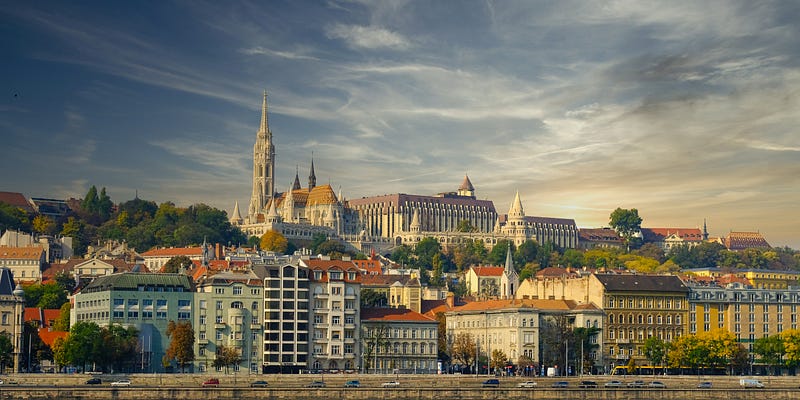
Hungary is fiercely anti-immigrant, while Sweden has become the figurehead of open-doors migration. Hungary is spending billions to encourage Hungarians to have more babies, which prompted a Swedish government minister to state that the policy “reeks of the 1930s”.
Finally, Hungary often finds itself alone in the Western alliances, and likes to leverage that loneliness to obtain concessions and support on matters concerning the EU.
But the far bigger obstacle to NATO membership is Turkey. This was initially something of a surprise; on a phone call between the presidents of Turkey and Finland, Finland was apparently told that Turkey had no objections.
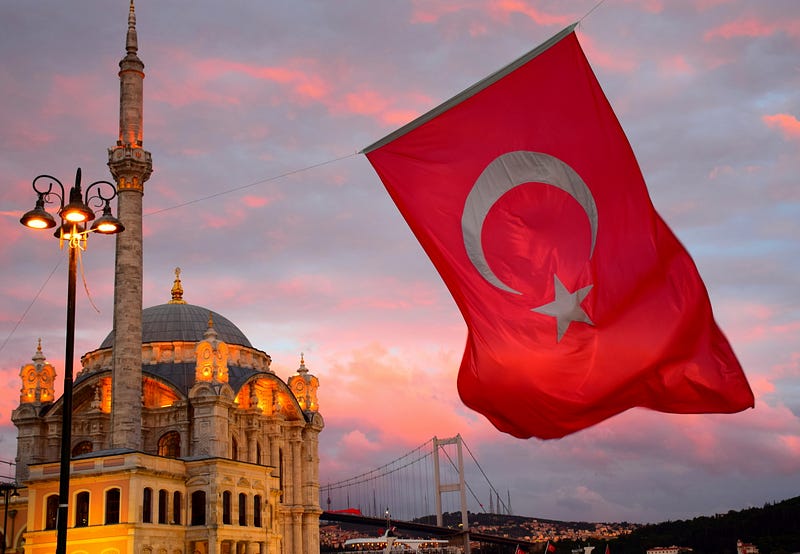
Since then, however, objections have indeed appeared. Turkey has accused both countries of harbouring terrorists, by which it is referring to Kurdish nationalists, and has suggested that NATO membership mightn’t be possible until these refugees are extradited.
That’s a difficult demand to meet for many reasons. Swedish and Finnish law prohibits extradition for political reasons or for those who would be persecuted, which is obviously the case here. It also isn’t possible to extradite Swedish or Finnish citizens, which many of these refugees are.
Anyway, the decision is in the hands of judges, not politicians.
Sweden has also managed to particularly offend Turkey. To begin with, the Swedish public TV broadcaster SVP satirised Turkish president Erdogan, which seriously pissed off the controversial leader.
“Formally it is up to the Turkish parliament to decide on Sweden’s NATO application, but in the end it is Erdogan who decides — and he is an emotional person who can absolutely choose to punish a counterpart if he feels offended.” — Paul Levin, director of the Institute for Turkish Studies at the University of Stockholm
Last year, right-wing Danish politician Rasmus Paludan announced a Quran-burning tour of Sweden during Ramadan, which sparked riots from the country’s large Muslim population. Last week, Paludan booked a Quran in front of the Turkish embassy in Stockholm. Later the same day, a pro-Kurdish rally took place in the city too.
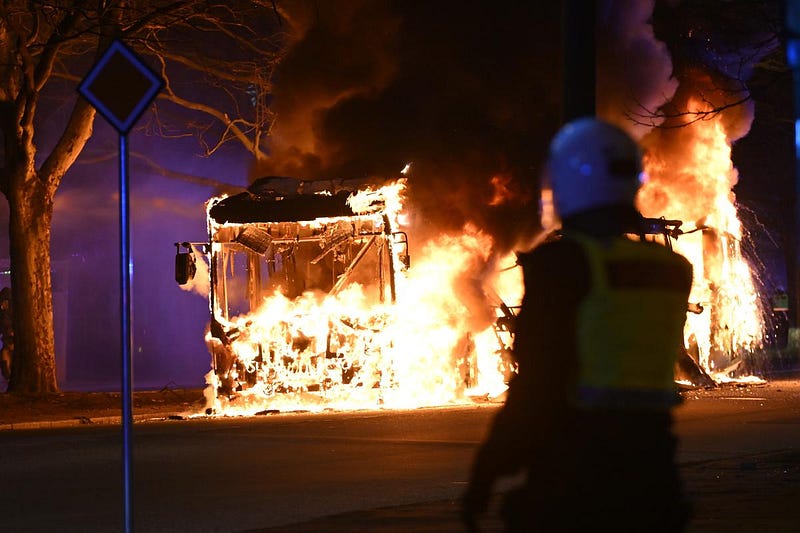
These events have infuriated the Turkish government, which has repeatedly demanded that Sweden do something about them, although Sweden obviously can’t because of, you know, freedom of speech.
Finally, weapons are a big part of this story.
Sweden, which is one of the world’s biggest weapons exporters, had an embargo on Turkey since 2019, when Turkey attacked Kurds in Syria. Turkey felt that it was ridiculous for countries to be in a military alliance when they refuse to exchange weapons; Sweden has issued some permits since September.
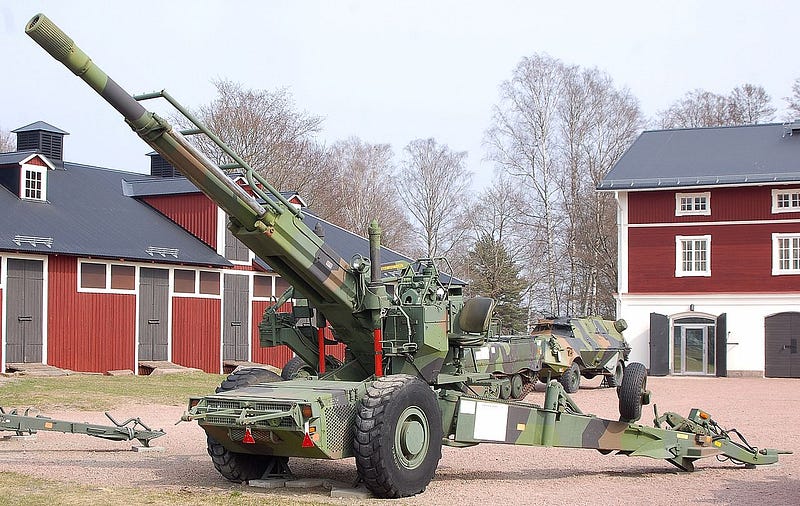
Conversely, weapons might get the Nordic countries out of this mess — Turkey is very keen to buy F-16 fighter jets from the US, and the US wants Sweden and Finland in NATO. For now, this is one of the few things keeping negotiations going.
But in recent days, Finland has begun hinting that it might have more luck applying for NATO membership individually, rather than tying up its bid with Sweden’s controversies.
It looks like they’ll wait until the Turkish elections in May before going their own way — but when national security is on the line, brotherhood apparently can’t be the main priority forever.