avatarAli Alzahrani, M.Sc., Editor

Free AI web copilot to create summaries, insights and extended knowledge, download it at here

3370

Abstract

ry to what is commonly believed swearing is not just being misplaced but it’s rather potentially one powerful means by which we can exchange our feelings widely with others as well as serve several social purposes .They might result into friendship instead of merely venting aggression or frustration; they may create among people hierarchies or encourage candidness among them .This multi-functional aspect does not bear any resemblance to popular opinion that swears indicate a limited vocabulary or poor linguistic skills per se.</p><figure id="2cdf"><img src="https://cdn-images-1.readmedium.com/v2/resize:fit:800/1*rdPlkxm6TR2NF1cWvvXXSg.png"><figcaption></figcaption></figure><p id="20e0">This has been challenged by research which suggests that those who use swear words more frequently may actually have a richer vocabulary (Jay et al., 2016). Profanity usage was positively correlated with lexical diversity in a study conducted by Jay et al. (2016), meaning profanity is part of more dynamic and expressive verbal repertoire. This defies societal norms in language use thus demonstrating creativity and flexibility in language use. You must be good with your wordings if you want to make obscene expressions to accomplish its intended purpose effectively as well as understand its social context.</p><figure id="238f"><img src="https://cdn-images-1.readmedium.com/v2/resize:fit:800/1*rdPlkxm6TR2NF1cWvvXXSg.png"><figcaption></figcaption></figure><p id="8742">From the physiological standpoint, cursing has remarkable effects. It was found out through studies that uttering swear words increases pain tolerance as well as enhances physical strength. For example, Stephens et al. (2009) demonstrated significant increase on tolerance for pain when participants were given liberty to swear than when they were prohibited from doing so.</p><figure id="5363"><img src="https://cdn-images-1.readmedium.com/v2/resize:fit:800/1*rdPlkxm6TR2NF1cWvvXXSg.png"><figcaption></figcaption></figure><p id="e346">The fact that it triggers stress responses within an organism implies swearing is no longer limited to being a mode of communication, but instead it becomes a physical/mental expression to relieve one’s self from stress. Consequently, this situates swearing as both a psychological function and a physical reaction, hence showing its deep-rooted significance in human action.</p><figure id="b4d3"><img src="https://cdn-images-1.readmedium.com/v2/resize:fit:800/1*rdPlkxm6TR2NF1cWvvXXSg.png"><figcaption></figcaption></figure><p id="0d2b">The dual role of swearing in both conflict and harmonious communication is fascinating. Swear words can be used to express hostility and further intensify confrontations between people involved in conflicts. Also, in more relaxed settings, the use of bad language among friends may indicate their ease with each other thus improving their friendship ties and promoting honesty. The adaptability of profane words demonstrates how deeply they are ingrained in human interaction and social bonding.</p><figure id="6633"><img src="https://cdn-images-1.readmedium.com/v2/resize:fit:800/1*rdPlkxm6TR2NF1cWvvXXSg.png"><figcaption></figcaption></figure><p id="ee93">Moreover, the evolution of swearing has been in line with changing cultural attitudes toward self-expression and societal norms over time. Correspondingly language evolv

Options

es when societies become more open within itself because the way people talk changes. The current increase in use of swear words on various media platforms like books reflects shift towards more authentic expressions away from controlled ones. It points out the joint acceptance of verbal liberty rather than conventional or sanitized spoken language.</p><figure id="618e"><img src="https://cdn-images-1.readmedium.com/v2/resize:fit:800/1*rdPlkxm6TR2NF1cWvvXXSg.png"><figcaption></figcaption></figure><p id="7c37">It can therefore be concluded that the study of curse words contributes to an understanding of language, psychology and society. Swearwords however are not just slangs but are forms of speech which mirror our human feelings, social structures and cultural growth. Appreciating how complex they are in meaning allows us to see the deep influence that language has on a person’s life and the community at large. In this view using offensive words is seen as a weakness in one’s language capacity hence it is considered as a virtue in human communication.</p><figure id="2983"><img src="https://cdn-images-1.readmedium.com/v2/resize:fit:800/1*rdPlkxm6TR2NF1cWvvXXSg.png"><figcaption></figcaption></figure><p id="4673">At the end, and while not encouraging swear words, let’s refrain from hastily judging others who use them. Swearing understood within its complex social and linguistic context, is not necessarily a sign of weak language capacity but a part of human communication.</p><figure id="da8b"><img src="https://cdn-images-1.readmedium.com/v2/resize:fit:800/1*rdPlkxm6TR2NF1cWvvXXSg.png"><figcaption></figcaption></figure><div id="654e" class="link-block"> <a href="https://medium.com/subscribe/@aliwritesaz?source=publishing_settings---user_settings----------------------------------"> <div> <div> <h2>Get an email whenever Ali Alzahrani, M.Sc., Editor publishes.</h2> <div><h3>Get an email whenever Ali Alzahrani, M.Sc., Editor publishes. By signing up, you will create a Medium account if you…</h3></div> <div><p>medium.com</p></div> </div> <div> <div style="background-image: url(https://miro.readmedium.com/v2/resize:fit:320/0*9vtZv21d6urmUO2P)"></div> </div> </div> </a> </div><h1 id="d629">Author’s Note</h1><p id="7a8b">Thank you for reading my story. Here is some information about <a href="https://readmedium.com/editorial-bio-of-ali-alzahrani-b78c1a23fcbc?sk=1150094bb674aaa7701f61972f40b86c"><b>my background</b></a>.🙏Consider sharing and participating in the conversation if this content speaks to you. For any queries, collaborations, or comments, reach out to me at <a href="[email protected]"><b>[email protected]</b></a>. Thank you for supporting my work!</p><figure id="22e0"><img src="https://cdn-images-1.readmedium.com/v2/resize:fit:800/1*rdPlkxm6TR2NF1cWvvXXSg.png"><figcaption></figcaption></figure><h1 id="f685">References</h1><ul><li>Jay, T., Caldwell-Harris, C., & King, K. (2016). Profanity revisited: A corpus-based approach to understanding swear word usage. PloS one, 11(3), e0152137.</li><li>Stephens, R., Atkins, J., & Kingston, A. (2009). Swearing as a response to pain. Neuroreport, 20(12), 1056–1060.</li></ul></article></body>

Language

Swear Words Are Not Bad as We Think

Morning Talk about the Complexity of Human Speech and Social Relations
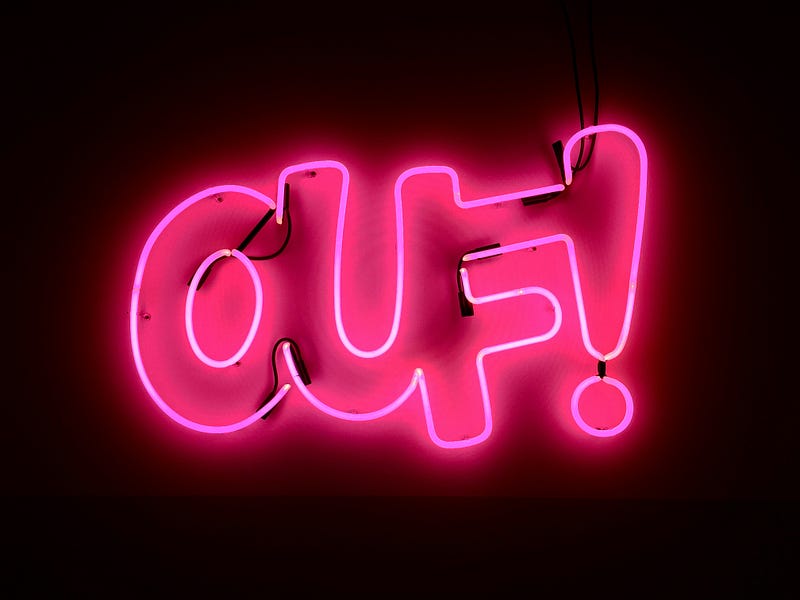
Photo by T on Unsplash

Swear words are generally considered as language oddities which, ironically, play a central part in human communication and social interactions. Some individuals criticize these terms for being obscene while oblivious of their many other functions and meanings. In philosophy, swearing is often considered as a complicated subject since it involves the understanding of words, social dynamics and human minds. So, It is not as easy subject as the traditional view of swear words as signs of a limited vocabulary or poor linguistic skills.

I was out on the university campus listening to a group of young students. They were barely saying one sentence without swearing or using F-words. I was wondering why? When I started searching about swearing, I discovered new prospects that might challenge the mainstream view that these words are linguistic deviations. Is there perhaps an inner strength that makes them capable of expressing various feelings and serving diverse social purposes? Do they have more use than outlets for aggression or frustration; hence promoting camaraderie and empathy between persons from all walks of life?

What really captivates my interest is swearing’s dual role in both conflictual and harmonious communication. In confrontations, swear words communicate enmity and escalate misunderstandings. They could be used to hurt someone emotionally. However, when in relaxed situations profanity indicates a level of ease and trust between individuals who use it. It also enhances bonds so that easy talks emerge based on true feelings. Thus the flexibility of curse words demonstrates their deeply fixed position within human interaction and socialization patterns.

Moreover, the historical progress of profane language mirrors broader cultural changes about self-expression and societal norms. As societies become more open in their discourses with each other, so does their language evolve. The increasing prevalence of expletives in contemporary media, books as well as casual dialogues portrays a shift towards authenticity rather than formality in speaking . This simply shows collective embracement of freedom through speech while rejecting sanitized talking styles.

Contrary to what is commonly believed swearing is not just being misplaced but it’s rather potentially one powerful means by which we can exchange our feelings widely with others as well as serve several social purposes .They might result into friendship instead of merely venting aggression or frustration; they may create among people hierarchies or encourage candidness among them .This multi-functional aspect does not bear any resemblance to popular opinion that swears indicate a limited vocabulary or poor linguistic skills per se.

This has been challenged by research which suggests that those who use swear words more frequently may actually have a richer vocabulary (Jay et al., 2016). Profanity usage was positively correlated with lexical diversity in a study conducted by Jay et al. (2016), meaning profanity is part of more dynamic and expressive verbal repertoire. This defies societal norms in language use thus demonstrating creativity and flexibility in language use. You must be good with your wordings if you want to make obscene expressions to accomplish its intended purpose effectively as well as understand its social context.

From the physiological standpoint, cursing has remarkable effects. It was found out through studies that uttering swear words increases pain tolerance as well as enhances physical strength. For example, Stephens et al. (2009) demonstrated significant increase on tolerance for pain when participants were given liberty to swear than when they were prohibited from doing so.

The fact that it triggers stress responses within an organism implies swearing is no longer limited to being a mode of communication, but instead it becomes a physical/mental expression to relieve one’s self from stress. Consequently, this situates swearing as both a psychological function and a physical reaction, hence showing its deep-rooted significance in human action.

The dual role of swearing in both conflict and harmonious communication is fascinating. Swear words can be used to express hostility and further intensify confrontations between people involved in conflicts. Also, in more relaxed settings, the use of bad language among friends may indicate their ease with each other thus improving their friendship ties and promoting honesty. The adaptability of profane words demonstrates how deeply they are ingrained in human interaction and social bonding.

Moreover, the evolution of swearing has been in line with changing cultural attitudes toward self-expression and societal norms over time. Correspondingly language evolves when societies become more open within itself because the way people talk changes. The current increase in use of swear words on various media platforms like books reflects shift towards more authentic expressions away from controlled ones. It points out the joint acceptance of verbal liberty rather than conventional or sanitized spoken language.

It can therefore be concluded that the study of curse words contributes to an understanding of language, psychology and society. Swearwords however are not just slangs but are forms of speech which mirror our human feelings, social structures and cultural growth. Appreciating how complex they are in meaning allows us to see the deep influence that language has on a person’s life and the community at large. In this view using offensive words is seen as a weakness in one’s language capacity hence it is considered as a virtue in human communication.

At the end, and while not encouraging swear words, let’s refrain from hastily judging others who use them. Swearing understood within its complex social and linguistic context, is not necessarily a sign of weak language capacity but a part of human communication.

Author’s Note

Thank you for reading my story. Here is some information about my background.🙏Consider sharing and participating in the conversation if this content speaks to you. For any queries, collaborations, or comments, reach out to me at [email protected]. Thank you for supporting my work!

References

  • Jay, T., Caldwell-Harris, C., & King, K. (2016). Profanity revisited: A corpus-based approach to understanding swear word usage. PloS one, 11(3), e0152137.
  • Stephens, R., Atkins, J., & Kingston, A. (2009). Swearing as a response to pain. Neuroreport, 20(12), 1056–1060.
Writing
Language
Psychology
Communication
Life
Recommended from ReadMedium