
Sustainable Storytelling: the Two Essential T’s (Transparency and Trust)
Navigating the murky waters of vagueness when crafting compelling narratives

In the realm of sustainability, storytelling has emerged as a compelling vehicle for change, inviting us to engage with complex environmental issues through narratives that resonate on personal levels. This contemporary approach, known as sustainable storytelling, wields the power to shape perceptions, influence behaviors, and steer societies towards more conscious consumption. However, as we journey further into the realm of ethical, sustainability narratives, a looming question arises: are these stories, often brimming with good intentions, often too vague to have an effect?
Sustainable storytelling, at its core, relies on crafting narratives that evoke emotions and inspire change. However, there’s a notable trend toward vagueness in these narratives, often driven by the desire to appeal to a broad audience and cover too much ground. The danger lies in the nebulous nature of such stories, which may lack the concrete details necessary to truly educate and empower consumers.
This tendency can stem from various factors, including fear of overwhelming recipients, aiming for universality, or even (unintentional) greenwashing.
The Pitfalls:
- Accountability: Vague narratives can give rise to a lack of accountability. When brands shy away from sharing the details of sourcing, manufacturing and impact, consumers are left to navigate uncharted waters without enough information.
- Greenwashing concerns: In the quest to be all things to all people, vague narratives risk bordering on greenwashing — a practice where eco-friendly intentions are unfolded without substantive action. This, in turn, erodes trust and blurs the lines between genuine sustainability efforts and hollow gestures.
- The learning void: Sustainable storytelling should serve as an education platform, gently guiding recipients towards a deeper understanding of the complexity of producing and consuming sustainably. Vague narratives, however, miss the mark, leaving consumers with mere surface-level insights and bypassing valuable learning opportunities.
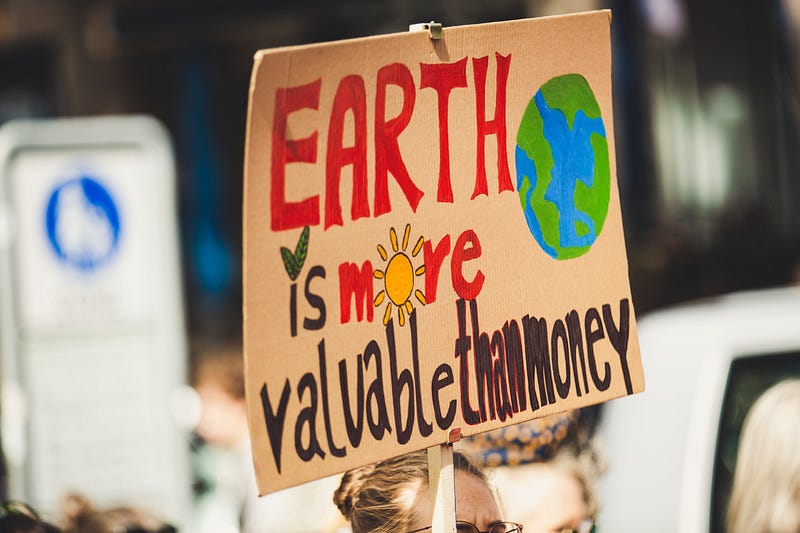
Finding the sweet spot between precision and approachability is the compass that guides us through the fog of vagueness in sustainable storytelling. It’s entirely reasonable to desire to keep narratives digestible, yet it’s equally essential to offer enough substance to ignite meaningful action. Here’s how we might navigate these waters:
- Clarity in simplicity: Craft narratives that embody clarity within simplicity. Break down complex concepts into easily understandable images, ensuring that the essence of your message isn’t lost in a sea of jargon. Maybe even avoid using the term sustainability altogether, and be specific! What does sustainability mean to you/your brand: recycling?, circularity?, ecology?, preservation?, zero waste?, longevity?
- Tales of tangibility: Breathe life into your stories with tangible data— the tons of CO2 reduced, the liters of water saved, or the ethical certifications achieved. Provide a tangible foundation that grounds your narrative in reality.
- Progress over perfection: Rather than aiming for unattainable perfection, let your stories center around progress. Narratives that illuminate the journey — your journey! — replete with obstacles and growth, with real life experiences and user stories (preferably spiced up with lots of images) are inherently relatable and inspire authenticity.

Transparency emerges as the antidote to vagueness. Transparent storytelling embraces the entirety of the narrative, from challenges to victories. This radical honesty fosters trust, forges genuine connections, and invites audiences to become co-authors of the sustainable journey.
See also my previous article The reason why sustainable storytelling doesn’t work.
Let’s connect! https://www.instagram.com/the_immaterialist/