
Recipe and Remedy
Sustainable Living Ideas
Simple Steps Toward an Eco-Friendly Lifestyle

Sustainability has become an increasingly important concept in today’s world. As the global population continues to rise, placing ever-greater demands on our planet’s limited natural resources, we have begun to recognize the need to reduce humanity’s environmental impact.
We are pushing Earth’s life-supporting systems to the breaking point through activities like deforestation, pollution, overconsumption of finite stocks, and greenhouse gas emissions driving climate change. Scientists warn that if we do not change our course, these mounting pressures will severely compromise the ability of future generations to meet their needs.
Luckily, individuals are not powerless in creating positive change. While large-scale policies and industry shifts are also critical, sustainability starts from the grassroots level — with conscious decisions made each day by citizens and consumers. Small actions, when multiplied across millions of participants, can fundamentally transform our relationship with the natural world.
By understanding our footprints and implementing low-effort strategies like reducing waste and conserving resources, ordinary people have immense power to lessen environmental degradation. A growing global movement advocates adopting a more symbiotic approach that preserves ecosystems upon which we all depend.
This article will explore a variety of simple sustainable living ideas that anyone can incorporate to positively impact the planet, while also benefiting one’s health, lifestyle, and finances.
From minimizing single-use plastics and single-occupancy vehicle trips to growing your foods and making mindful purchases, small adjustments in daily habits can collectively make a huge difference if embraced widely.
It is time to shift toward a more responsible coexistence with nature for the sake of current and future inhabitants of Earth who all share this precious resource we call home.
Sustainable Living Ideas to Consider
Making small changes in our everyday lives can go a long way in helping the environment and reducing our impacts. Many sustainable practices are not only better for the planet but also tend to save money in the long run. Here are some ideas to incorporate sustainable living into your routine.
Reduce Single-Use Plastics
One easy place to start is cutting back on single-use plastic items like bottles, bags, straws, utensils, and containers. Instead of plastic water bottles, carry a reusable water bottle that you can fill from the tap.
Bring reusable cloth bags grocery shopping instead of using plastic bags each time. Keep reusable coffee cups, silverware, plates, and containers on hand so you aren’t always grabbing the disposable versions.
When you do use single-use plastics, recycling them properly helps keep them out of landfills. Some communities now charge a small fee for plastic bags which provides an incentive to remember your reusable ones. Even small changes like saying “no straw” when getting a drink can collectively make a difference.
Conserve Energy and Water
Being mindful of energy and water usage is another sustainable practice that helps the planet and your wallet. Turning off lights when not in use, unplugging electronics when possible, lining dry clothes instead of using the dryer, and taking shorter showers are all simple ways to conserve both energy and water.
Upgrading to energy-efficient appliances, LED lightbulbs and low-flow faucet aerators can also reduce long-term usage. Fixing any dripping faucets or leaks quickly prevents wasted water down the drain. On nice days, hang clothes to dry outside rather than running the dryer, which uses a lot of electricity.
Grow Your Food
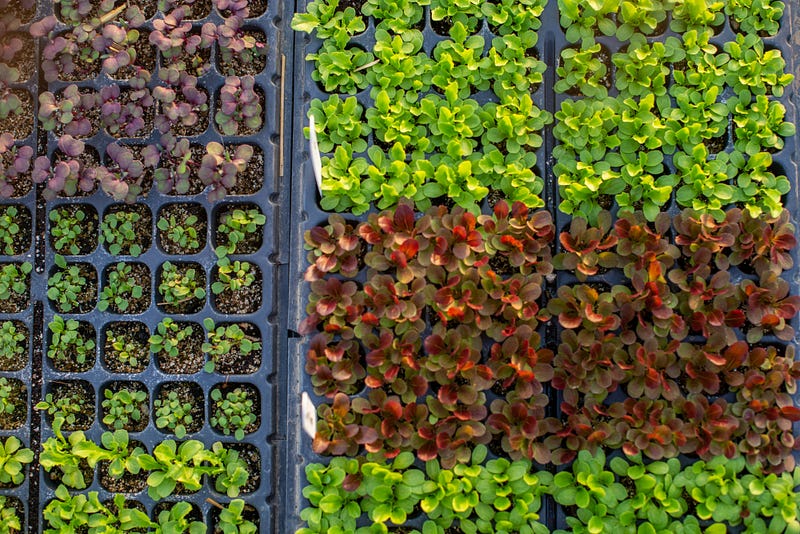
Planting a small home vegetable or herb garden is a fun, productive way to eat fresher produce while reducing environmental impacts from commercial farming. Even just growing a pot of basil on your windowsill is a start.
If you have more space, planting tomatoes, lettuce, peppers, carrots and more allows you to harvest sustainable, organic homegrown meals. Composting food scraps helps nourish the soil for future plantings. Community gardens are also a good option if you lack backyard space. Your diet will be healthier from eating fresh homegrown fruits and veggies too.
Adopt Sustainable Transportation
Driving less and using more fuel-efficient modes of transportation like biking, public transit, carpooling, or working remotely from home helps cut down on greenhouse gas emissions. For commutes and errands around town, try biking or walking when the weather permits.
Taking public transportation like buses or trains is better for the environment than always driving solo in a vehicle. Research shows carpooling with even one other person halves the emissions versus separate solo trips.
Working remotely from home just one day a week for your job helps reduce vehicle trips too if possible. When you do need to drive, keeping tires properly inflated improves gas mileage.
Choose Sustainable Purchases
The items we choose to purchase also impact the planet. Buying locally grown and produced goods whenever possible eliminates emissions from long-distance transportation. Thrift stores and used goods markets are more sustainable than constant new consumption which drives production. Items made from recycled, organic, or sustainably harvested materials have lower impacts than plastic or chemically treated alternatives.
Energy-efficient appliances and lightbulbs help curb usage. Opting for rechargeable batteries rather than one-time-use varieties prevents waste. Reading reviews and certifications like Energy Star when shopping informs more eco purchases. Our combined sustainable choices as consumers can positively influence supply and demand for green products long-term.
Making lifestyle changes toward sustainability does not have to mean radical overhauls or sacrifices. Even small, incremental shifts in daily habits like the ideas above collectively make meaningful impacts when adopted widely.
With some creativity and awareness of usage, sustainable living fits conveniently into most modern routines. While change starts individually, together our sustainable choices can help nurture a greener future. I hope these suggestions provide a launching point to incorporate more eco-friendly practices seamlessly into your life.