
Sustainable Capitalism
… thoughts triggered by fresh tea
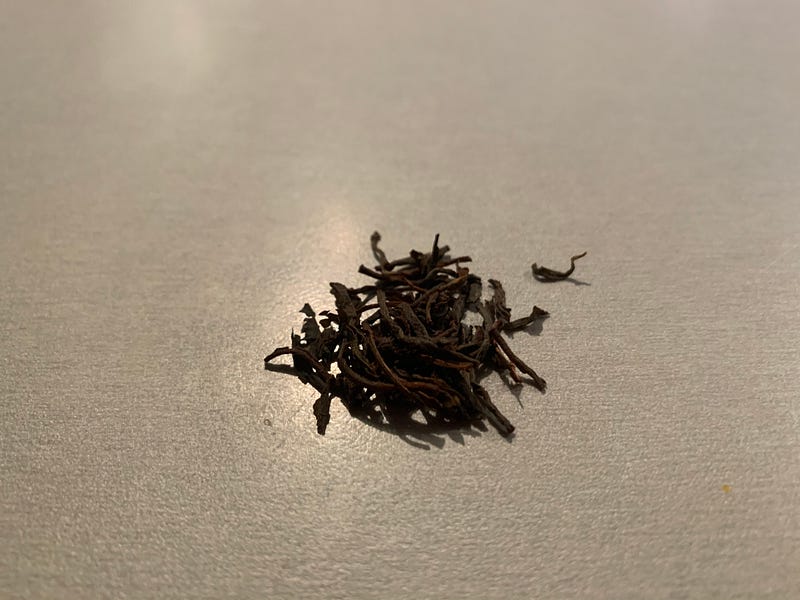
A discussion with a friend had me coin this expression: Sustainable Capitalism. We believed that capitalism was in dire need of an overhaul to create a better world for all and pull the many out of poverty.
The next day, a purchase of a box of Assam tea gave me the exact thought process I had. A 28-year-old gent, a 4th generation tea grower, disrupted the ways things were done and cut back the middlemen. He still promised the best and freshest produce for consumers whilst reducing carbon footprint in the name of the environment but better terms and conditions for the people making the availability of this precious tea possible: the tea farmers and pickers, the labourers, who would for live in poverty.
He recognised that whilst the salaries of his workers had gone up, so had the prices of all basics. Did some of his workers feel pressured to pull their sons out of education to increase revenue streams and make ends meet or worst, forced to marry their young daughters off to have fewer mouths to feed? Is this fair? Well, no, it is not. This young entrepreneur dared to disrupt the old patriarchal system, by putting the main protagonists up the hierarchy and investing proceeds from his business earnings into education. He has dared to invest in humans.
We need to ask hard and blunt questions. Do we need to impoverish the hard-earned interest rates and do we punish savers with poor rates? Or can we invest back in society and distribute dividends fair for all? Does one need multi-million dollar bonuses when one already owns many unused properties and assets? We need capitalism for job and wealth creation. But I believe we do not need capitalism in a greedy form, and perhaps capitalism in its existing form needs disruption and be re-built sustainably. This pandemic perhaps provides the disruption we all need to create a better future for our children.