
Suspicious Cell Phone Calls From Scammers
You should hang up and not listen
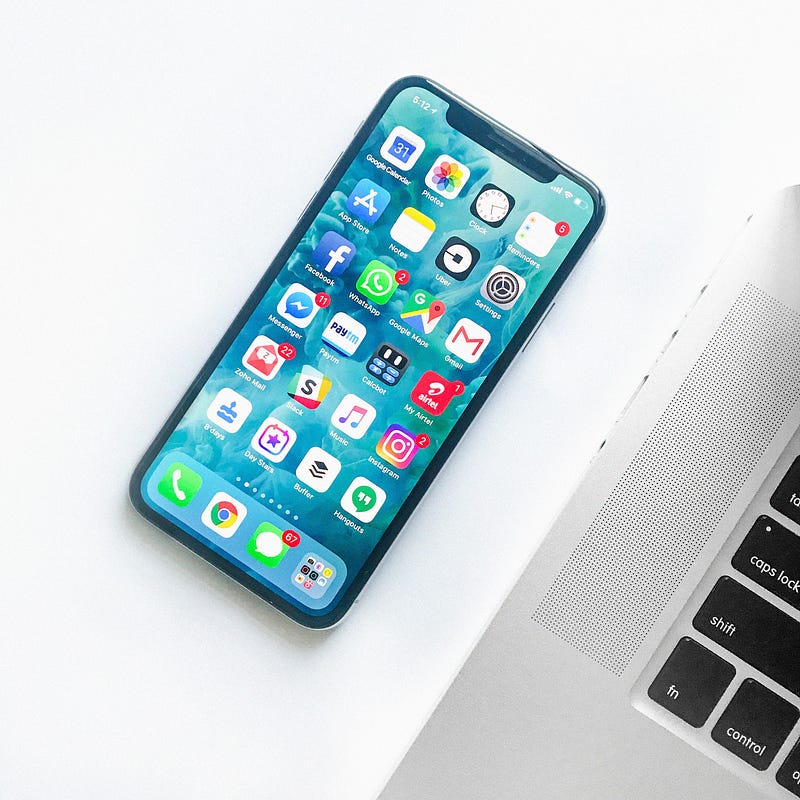
Scammers are using phones for their business
Almost everyone has a cell phone these days. Even young children in elementary school often have the phones so that their parents can stay in contact with them. All ages of people from small children to the oldest generation have cell phones.
Cell phones have become a necessary item for most people in the world, including the super wealthy along with some homeless people.
The cell phones of today do amazing things. They have so many capabilities and are very useful. Some people still have landlines or regular phones at their homes.

It used to be that you did not have to worry so much about solicitors and scammers calling cell phones. Now you can regularly expect to receive such calls which are from people wanting to take your money.
Scammers have discovered ways to use phones for their shady business. They make calls to unsuspecting people and claim to be someone they are not. They are committing crimes and trying to cheat regular people out of their money.
I received two suspicious phone calls today which were supposedly from government agencies. One was a call which said it was the Social Security Administration calling. I hung up. If you get one of those calls, just hang up. Definitely do not listen to them and do not give them any personal information. Although you may be tempted to let them know that you are aware that they are a scam, it is better to just end the call. If you click or call, they may have ways of using it against you by making it appear that you gave your approval.
The recording said something to the effect that there had been fraudulent activity using my social security number. The so-called agent said to call back this number right now or your social security number would be suspended. It said if you do not call, they will send someone out to arrest you. It was pretty obvious that it was a scam, but some people are being scared into calling the number.
Most people in the United States have a social security number, and most people over the age of sixty-five are collecting social security. The unscrupulous and totally dishonest scammers are targeting senior citizens who can ill afford to lose money to these criminals. Their story is usually that the victim needs to provide their bank account information or send a check to stop the problem. Then the scammers proceed to empty out the bank account of the unsuspecting senior.
The government, including the Social Security Administration, has warned against such scams. Sometimes the scams come from other countries, and the person on the line has a very strong accent which may be difficult to clearly understand. Other times they may use the name of an actual agent so a person who looked up the name on the Internet might think the call is legitimate.
Sometimes the scammers will ask people to pay for information which they say they will need, but the same information is available for free on the Social Security Administration website.
Government agencies and financial institutions say that they will never call on the phone and ask for sensitive information. They will send you mail instead. They could call if they have ongoing business with you, but they would not be threatening.
Investopedia.com reports the following:
“As virtually all seniors receive Social Security benefits, it’s probably unsurprising that a lot of scam artists name the program in fraudulent phone calls, emails, and letters. The schemes typically involve criminals impersonating the Social Security Administration in order to obtain, and then misuse, Social Security numbers (SSNs) and other personal information.”
Scams should be reported to your local authorities, the SSA Office of the Inspector General, or the Federal Trade Commission.
Phones are necessary pieces of everyday life for most people. Phone calls are not always legitimate and could be scams. People need to be aware of the scams and be careful not to fall for them.
If you suspect you have been the victim of a scam or want to report Social Security calls or correspondence that you find suspicious, you have options. You can call your local authorities or the OIG hotline (1–800–269–0271). You can fill out a public fraud reporting form at the Social Security website’s fraud page.
Scam artists want to cheat you out of your money. Be vigilant and do not take their calls or call the number they say you should call.
Not a Medium member? You can join Medium with my referral link. It’s $5 a month for access to all the stories on Medium. https://floydforest.medium.com/membership