
Superhuman Vision: Advances in Ocular Biohacking
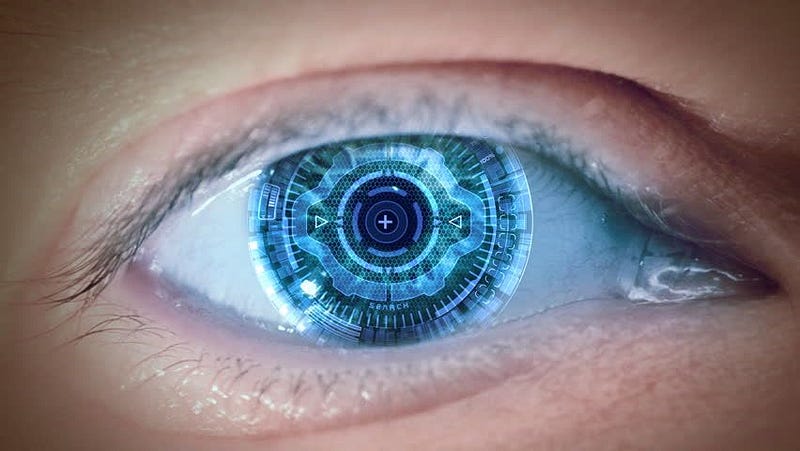
The quest for pushing the boundaries of human capabilities has led to remarkable advancements in the field of biohacking. Among the various frontiers being explored, ocular biohacking stands out as a fascinating avenue, offering the potential to enhance human vision beyond its natural limits. In this article, we delve into the realm of superhuman vision and the cutting-edge advances in ocular biohacking that are shaping the future of human perception.
The Basics of Ocular Biohacking
Ocular biohacking involves the use of technology and medical interventions to enhance visual capabilities, correct vision impairments, and, in some cases, push the boundaries of what the human eye can perceive. Unlike traditional methods like glasses or contact lenses, ocular biohacking aims to go beyond correction, offering augmentations and enhancements that can grant individuals superhuman vision.
- Bionic Lenses: One of the most promising developments in ocular biohacking is the emergence of bionic lenses. These advanced lenses, still in the experimental stages, have the potential to provide vision that surpasses the capabilities of the natural eye. Bionic lenses could enable enhanced focusing capabilities, allowing individuals to see clearly at various distances without the need for traditional eyewear.
- Augmented Reality Contact Lenses: Imagine a world where information is seamlessly integrated into your field of vision. Augmented reality contact lenses are being developed to overlay digital information onto the real world. This innovation could revolutionize how we interact with our surroundings, offering real-time data, navigation guidance, and even facial recognition right before our eyes.
- Night Vision Upgrades: Ocular biohacking is also making strides in improving night vision. Scientists are exploring technologies that can enhance the eye’s ability to see in low-light conditions, opening up possibilities for improved safety and performance in various fields, from law enforcement to outdoor activities.
- Color Spectrum Expansion: Traditional human vision is limited to a specific range of colors, but ocular biohacking endeavors to expand this spectrum. Researchers are working on technologies that could enable individuals to perceive a broader range of colors, potentially enhancing artistic expression and overall visual experiences.
- Optogenetics for Vision Restoration: In cases where individuals have experienced vision loss, optogenetics offers a ray of hope. This technique involves using gene therapy to introduce light-sensitive proteins into the eye, allowing for the restoration of vision. While still in the experimental phase, optogenetics holds great promise for those with degenerative eye conditions.
Ethical Considerations
As the field of ocular biohacking advances, ethical considerations become paramount. The prospect of individuals gaining superhuman vision raises questions about fairness, accessibility, and the potential unintended consequences of tampering with the natural order of human perception. Striking a balance between innovation and ethical responsibility is essential to ensure that these technologies benefit humanity as a whole.
Conclusion
Superhuman vision, once confined to the realms of science fiction, is becoming an exciting reality through the advancements in ocular biohacking. From bionic lenses to augmented reality contact lenses, these innovations have the potential to redefine how we see and interact with the world.
As researchers continue to push the boundaries of what is possible, it is crucial to approach these advancements with a thoughtful and ethical mindset, ensuring that the pursuit of superhuman vision aligns with our collective values and aspirations for the future.