
Superfoods | what make superfoods ‘super’ | top 10 superfoods | how to incorporate easily in your diet.
What Are Superfoods? “Superfoods” is a newly coined term that refers to food that delivers the greatest number of nutritional advantages while having minimal calories.
These foods are an excellent source of a variety of nutrients, including vitamins, minerals, and antioxidants. As of now, there is no criteria or legal basis to determine what a “superfood” is but majority of superfoods come from plants.
So where did the term “superfood” come from?
Apparently, it is said to appear in the early part of the 20th century as a marketing tactic for bananas.
The United Fruit Company came up with the expression “bananas for breakfast” and used it to promote the viability of eating bananas on a daily basis as an inexpensive and readily digested source of nourishment. And on top of these, a banana can also be added to cereal, have one during lunch, use in a salad or fry it up for supper. With all these different applications and methods to prepare it, the fruit’s wide array of uses made it virtually super.
In the 21st century, more than 100 years later, a superfood is now synonymous with food having health benefits. Note: These days in the food business, scientific studies on a certain food, some well-worded news pieces, and an attention-grabbing food marketing campaign can make that item the next “superfood” on the market.
Let us focus on the NATURAL superfoods - Top 10 NATURAL superfoods that are great choice for good health.
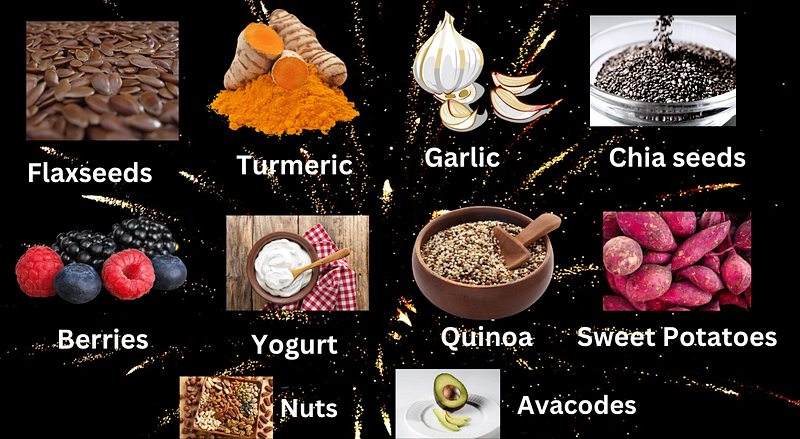
1. Flaxseeds: Rich source of omega-3 fatty acids, fiber, and lignans (a type of phytoestrogen). Omega-3 fatty acids are important for heart and brain health, while fiber can help regulate digestion and lower cholesterol levels. The lignans in flaxseed have also been shown to have potential benefits for hormonal balance and breast health.
Flaxseed is best consumed ground, as whole seeds are difficult to digest and their nutrients are not easily absorbed by the body. Ground flaxseed can be added to smoothies, oatmeal, yogurt, and baked goods. It’s important to store ground flaxseed in the refrigerator to preserve its freshness and prevent rancidity.
2. Berries: Berries are a rich source of vitamins like Vitamin C and Vitamin K, as well as antioxidants that help protect the body against oxidative stress and chronic diseases. The fiber in berries can also help regulate digestion and promote feelings of fullness.
Different types of berries offer slightly different nutritional benefits, with some being particularly high in certain vitamins or antioxidants. For example, blueberries are a good source of Vitamin C and anthocyanins, while raspberries are high in fiber and ellagitannins.
3. Yogurt: This superfood is quite unique since it contains live cultures called probiotics. Probiotics are known to be “good bacteria” that live in the stomach and aid the digestive system. Yogurts are also essential sources of protein and calcium.
4. Turmeric: High concentration of curcumin, a powerful anti-inflammatory compound.
Studies have shown that curcumin may have a variety of health benefits, including reducing inflammation, improving brain function, and reducing the risk of certain types of cancer. Turmeric has also been used traditionally to support digestive health and reduce pain and swelling in the joints.
Turmeric can be used to flavor a variety of dishes, including curries, stir-fries, and soups. It can also be taken in supplement form, although it is best absorbed by the body when consumed with a source of fat and black pepper.
5. Garlic: Considered a superfood due to its high concentration of antioxidants and anti-inflammatory compounds.
Supports heart health by reducing cholesterol levels and blood pressure, and it may also help boost the immune system and improve cognitive function. Garlic has also been used traditionally to support digestive health and reduce pain and swelling in the joints.
Garlic can be added to a variety of dishes, including soups, sauces, marinades, and stir-fries. It is also available in supplement form for those who prefer not to consume it in its raw or cooked form.
6. Chia seeds: The high fiber content in chia seeds can help regulate digestion and lower cholesterol levels, while the protein and omega-3s support heart health and cognitive function. Chia seeds are also a good source of minerals like phosphorus, manganese, and calcium.
Chia seeds are easy to add to a variety of dishes, as they can be sprinkled on top of yogurt or oatmeal, blended into smoothies, or added to baked goods for added nutrition.
7. Quinoa: One of the few plant-based foods that is considered a complete protein, meaning it contains all of the essential amino acids that the body needs to function properly. Quinoa is also high in fiber, vitamins, and minerals like phosphorus, magnesium, and manganese.
The high fiber content of quinoa can help regulate digestion and lower cholesterol levels, while the vitamins and minerals support overall health and wellness. Quinoa is also gluten-free, making it a good choice for those with gluten sensitivities or celiac disease.
8. Sweet potatoes: They are rich in vitamins, minerals, and antioxidants, including beta-carotene, Vitamin C, potassium, and fiber.
The high fiber content of sweet potatoes can help regulate digestion and lower cholesterol levels, while the beta-carotene has been linked to improved eye health and may also play a role in reducing the risk of certain types of cancer.
Sweet potatoes can be baked, roasted, mashed, or added to soups and stews. They are also a great source of complex carbohydrates, making them a good choice for athletes and people looking to increase their energy levels.
9. Avocado: The healthy fats in avocado can support heart health and cognitive function, while the fiber can help regulate digestion and keep you feeling full. The potassium in avocado is also beneficial for maintaining healthy blood pressure levels, and the Vitamin K supports proper blood clotting and strong bones.
Avocado is a versatile ingredient that can be used in a variety of dishes, including salads, sandwiches, smoothies, and dips.
10. Nuts: Such as hazelnuts, walnuts, almonds, and pecans, are excellent sources of protein derived from plants. In addition, they contain monounsaturated fats, which research suggests may have a role in lowering the risk of developing cardiovascular diseases.
Are any processed foods considered as superfoods?
No, processed foods are not typically considered superfoods. Superfoods are whole, minimally processed foods that are rich in nutrients and offer a variety of health benefits. Processed foods, on the other hand, are often made with refined ingredients, added sugars, and artificial preservatives, which can have a negative impact on health.
Can superfoods help prevent chronic diseases like heart disease and cancer?
Yes, superfoods have the potential to reduce the risk of chronic diseases such as heart disease and cancer because many superfoods are high in antioxidants, anti-inflammatory compounds, and other nutrients that have been shown to promote good health and prevent chronic disease. Ex: Turmeric and garlic, contain anti-inflammatory compounds that may help reduce the risk of cancer.
Are there any superfoods that are particularly good for weight loss?
Yes, most superfoods can assist in weight loss, but multiple other factors like balanced diets and exercises also need to be considered. Few examples are:
- Berries: Berries are low in calories and high in fiber, making them a great snack for weight loss.
- Avocados: Avocados are high in healthy monounsaturated fats, which can help you feel full and reduce overall calorie intake.
- Chia seeds: Chia seeds are high in fiber and healthy omega-3 fatty acids, which can help you feel full and reduce overall calorie intake.
- Quinoa: One of the few plant-based foods that is considered a complete protein, meaning it contains all of the essential amino acids that the body needs to function properly.
Are there any superfoods that are particularly beneficial for athletic performance?
Yes, few examples are:
- Sweet potatoes: Sweet potatoes are a good source of complex carbohydrates, which can provide a steady supply of energy during exercise.
- Quinoa: Quinoa is a complete protein, providing all the essential amino acids that athletes need for muscle repair and growth.
- Berries: Berries are rich in antioxidants, which can help protect against oxidative stress and improve recovery time after exercise.
- Almonds: Almonds are a good source of healthy fats, protein, and magnesium, which is important for muscle function and energy metabolism.
How can superfoods be incorporated into a balanced diet for optimal health?
Superfoods can be easily incorporated into a balanced diet for optimal health. Here are a few tips for doing so:
- Snack on superfoods: Keep superfoods on hand for quick, healthy snacks, such as raw almonds or a piece of fruit.
- Add to snacks: Add superfoods snacks for an easy nutrient boost, such as mixing berries into your yogurt or tossing spinach into your smoothie.
- Incorporate superfoods into meals: Use superfoods as ingredients in meals, such as adding turmeric to your soup or stir fry, or adding chia seeds to your oatmeal.
Keep as healthy food substitutes: Use superfoods as substitutes for less healthy ingredients in your favorite recipes, such as using avocado instead of mayonnaise in a sandwich, or using quinoa instead of white rice.
Are there any side effects associated with consuming superfoods?
In general, consuming superfoods in moderation as part of a balanced diet is considered safe for most people. However, some superfoods may have potential side effects or risks for certain individuals:
- Allergies: Some people may have allergies to certain superfoods, such as nuts or seeds.
- Interactions with medications: Some superfoods, such as garlic or ginkgo biloba, may interact with certain medications, so it’s important to consult with a healthcare provider before incorporating them into your diet.
- Oxalates: Some superfoods, such as spinach and rhubarb, are high in oxalates, which can increase the risk of kidney stones in some individuals.
- High levels of vitamin K: Some superfoods, such as leafy greens, are high in vitamin K, which can interact with blood-thinning medications and affect their effectiveness.
- FODMAPs: Some superfoods, such as avocados and mushrooms, are high in FODMAPs, which can cause digestive issues in people with irritable bowel syndrome (IBS) or other digestive sensitivities.
It is important to consult with a healthcare provider before incorporating large amounts of superfoods into your diet, especially if you have any pre-existing health conditions or are taking any medications.
Note: My intent with my writings is to create health awareness. Please always consult a medical professional before consuming anything. Thank you for reading.