
Superfoods or Supervillains? The Hidden Price of Nutritional Buzzwords
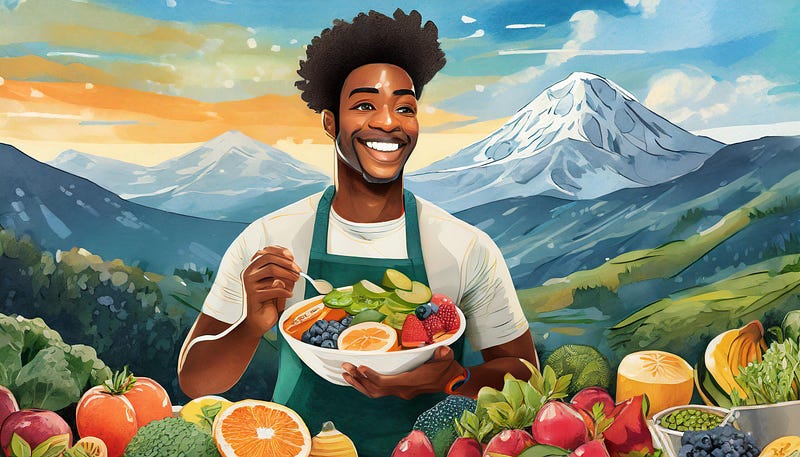
We’ve all seen them touted on health blogs, splashed across supermarket labels: “superfoods,” brimming with antioxidants, vitamins, and the promise of ultimate health. But the allure of these nutritional darlings often masks a complex reality, one where environmental costs can outweigh the benefits. Let’s peel back the glossy packaging and explore the murky underbelly of our superfood obsession.
The Allure and the Shadow:
Superfoods, from açai berries to quinoa, come wrapped in claims of boosting immunity, fighting disease, and even reversing aging. This narrative taps into our deep-seated desire for quick fixes and effortless well-being. However, this marketing often focuses solely on individual nutritional content, ignoring the wider impact of production and consumption.
The truth is many “superfoods” have significant environmental footprints. Take, for example, avocados, lauded for their healthy fats and fiber. Unfortunately, their water-intensive cultivation in drought-prone regions like Chile raises concerns about water scarcity and environmental degradation. Blueberries, another popular choice, often travel long distances by air, generating substantial carbon emissions.
Beyond the Buzzword:
So, does this mean we should abandon superfoods altogether? Not necessarily. The key lies in adopting a more nuanced approach, one that considers both the nutritional value and the environmental impact. Here are some steps we can take:
- Localize your diet: opt for seasonal, locally-grown produce whenever possible. This reduces transportation emissions and supports sustainable farming practices.
- Variety is key: Don’t fixate on single “superfoods.” A diverse diet rich in fruits, vegetables, and whole grains offers a broader spectrum of nutrients.
- Be mindful of certifications: Look for labels like Fair Trade and organic, which indicate ethical and environmentally conscious production practices.
- Reduce food waste: Planning meals, buying only what you need, and composting scraps can significantly reduce the environmental impact of your food choices.
Moving Beyond the Binary:
Ultimately, the “superfood vs. climate killer” narrative is simplistic. Food choices are complex, and influenced by cultural preferences, access, and affordability. However, by understanding the environmental implications of our dietary choices, we can make informed decisions that contribute to a healthier planet without sacrificing our well-being.
It’s time to move beyond the buzzwords and embrace a more conscious approach to food. Let’s appreciate the nutritional value of various foods while ensuring our choices also nourish the planet we share. After all, true health extends beyond the individual — it encompasses the health of our environment too.
Share this article and spark a conversation! Let’s encourage others to explore the hidden stories behind their food choices and work towards a more sustainable and just food system. Remember, small changes collectively can make a big difference. Together, we can rewrite the narrative and ensure that our food choices truly nourish both ourselves and the planet.
Visit us at DataDrivenInvestor.com
Subscribe to DDIntel here.
Have a unique story to share? Submit to DDIntel here.
Join our creator ecosystem here.
DDIntel captures the more notable pieces from our main site and our popular DDI Medium publication. Check us out for more insightful work from our community.
DDI Official Telegram Channel: https://t.me/+tafUp6ecEys4YjQ1