
Superfoods or Superhype? Debunking Nutritional Myths
Navigating the World of Trendy Health Foods: Uncovering the Truth About So-Called Superfoods and Their Real Impact on Our Health
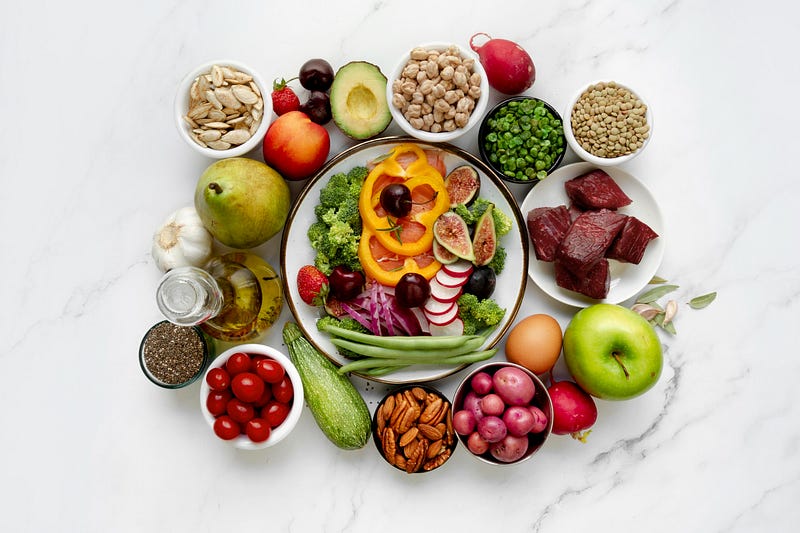
In today’s health-conscious society, “superfoods” have become a buzzword for nutrition and wellness enthusiasts worldwide. These are foods believed to be so nutritious that they can provide numerous health benefits, often touted as the solution to various health problems. From exotic berries to ancient grains, the list of superfoods grows each year, accompanied by claims of weight loss, improved digestion, and even longer life. But as we delve deeper into the science behind these foods, one question arises: Are superfoods truly miraculous health boosters, or is this just another case of superhype? Let’s explore the facts to debunk nutritional myths and understand the real impact of these foods on our health.
What Are Superfoods?
Superfoods are typically rich in antioxidants, vitamins, and minerals. They are praised for their supposed ability to fight chronic diseases, boost the immune system, and improve overall health. Popular superfoods include berries like acai and goji, seeds such as chia and flaxseed, and leafy greens like kale and spinach.
The Science Behind Superfoods
While it’s true that these foods are nutrient-dense, the term “superfood” is more of a marketing tool than a scientifically backed classification. Nutritionists and health experts agree that no single food has the power to cure diseases or deliver all the nutritional requirements of the body alone. A balanced diet, incorporating a variety of nutrients from different sources, is essential for good health.
Debunking the Superhype
The superhype surrounding these foods often leads to unrealistic expectations about their benefits. For example, while blueberries are rich in antioxidants and can contribute to heart health, they are not a magic bullet for avoiding all heart-related issues. Similarly, kale is a great source of vitamins A, C, and K, but loading up on kale alone won’t guarantee a healthy immune system. It’s important to remember that a varied diet is key to obtaining the wide range of nutrients our bodies need.
The Cost of Superfoods
Another consideration is the cost. Many superfoods come with a high price tag, especially exotic ones that are marketed as being rare or unique. However, local and seasonal fruits and vegetables often offer similar nutritional benefits at a fraction of the cost. Investing in a variety of fresh, local produce can provide the same, if not better, health benefits as expensive superfoods.
In the Final Analysis
In the final analysis, while so-called superfoods can be a healthy addition to any diet, they are not the miraculous solution to all health issues. The truth behind the superhype is that no single food can provide all the health benefits we need. A balanced and varied diet, rich in fruits, vegetables, whole grains, and lean proteins, remains the cornerstone of good health. Instead of focusing on individual superfoods, we should aim for a “super diet” that incorporates a wide range of nutritious foods. This approach, coupled with regular physical activity, is the real key to achieving and maintaining optimal health.
Want the latest articles delivered straight to your inbox? Subscribe now and never miss out!