
Super Mario RPG in 2023
While others were playing the remake, I replayed the original
In 1996, the Super Nintendo (SNES) was about to make way for the Nintendo 64. The last Mario game to be released on the platform was a collaboration between Nintendo and Square, famous for their Final Fantasy series, Super Mario RPG: Legend of the Seven Stars.
The game would not be released outside Japan and North America until 2008 when it was included in the Wii’s Virtual Console. I played it on an emulator in high school and had been contemplating replaying it at some point.
Though it has always remained a fan favorite, the game is going through a revival with the Nintendo Switch remake that came out last month. I considered the purchase, but it seemed too faithful to the original to warrant its release as a full-priced game.
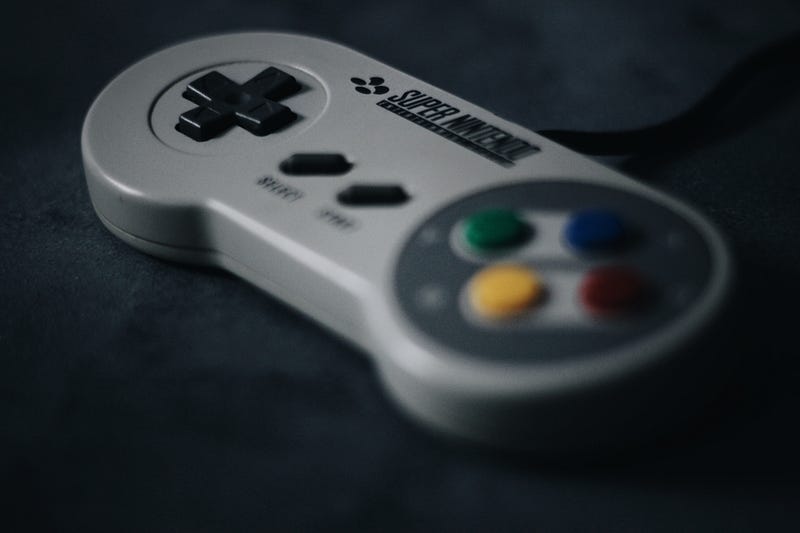
Instead, I dug up my SNES Mini to replay this classic game and see how it holds up, this time enjoying a more authentic experience with proper controllers.
Innovation & Charm
After booting up the game, you immediately notice the excellent 3D visuals. They are among the best on the system and give the entire game a distinct, almost toy-like, aesthetic. The camera takes an isometric perspective, which is quite different from the left-to-right platforming Mario normally does.
The game starts where most other Mario games end; Mario confronts Bowser to rescue Princess Peach. They are interrupted by a new enemy taking over Bowser’s Keep, and the adventure truly begins.
Along the way, Mario meets new allies, who would go on to have a cult following of their own. Despite being only in this one game, Geno was added as a Mii Fighter costume in Super Smash Bros. many years later, though many had hoped for his inclusion as a full-fledged fighter.
Square’s influence shines through in the gameplay, with enemy encounters in the overworld leading to a separate turn-based battle screen with its own music. As is typical for (Japanese) RPGs, you gain experience, and “dungeon” style areas are alternated with towns to rest up and improve your equipment.
There is, however, an important innovation in play that makes combat feel fresh and active: timed button presses for boosting the damage to attacks and guarding on the enemy’s turn. Though Mario RPG never received a direct sequel, the action commands would go on to become the staple of spiritual successors: the Paper Mario and Mario & Luigi series of RPGs.
As first-party Mario titles tend to be the norm, the animations, music, and sense of humor are top-notch. The latter especially shines because an RPG allows for much more dialogue than a typical platform game.
It also mentions that the game has many little secrets and Easter eggs, many of which you will likely miss. These include finding Link from the Zelda series sleeping at an inn, a casino with an obscure way of gaining access, a secret boss in Final Fantasy style, and more than 30 hidden item blocks.
Old Age or Innate Flaws?
You can probably tell that I am still quite optimistic about Super Mario RPG, even after my second play-through. Its reputation is well-deserved, and its newfound spotlight is a pleasant surprise.
That said, some things detract from the experience. Interestingly enough, these do not particularly have to do with the game’s age and were already apparent when the game first came out.
Simply put, the game is short and easy. You can finish it in 10 hours and must be careful not to overlevel or even forgo specific equipment to keep it somewhat challenging.
It’s an ideal entry-level RPG, in line with Nintendo’s views on accessibility. However, it's a bit meager compared to the length and sprawling (side) quests of other prolific SNES RPGs.
There are also a few annoyances, such as the occasional platforming segments feeling clunky, though not overly complicated, and the inventory limit constantly requiring you to get rid of items.
For those interested, the remake addressed some of the issues: they added a storage box for items, and there are post-game boss rematches, which are more difficult than in the base game. It does lean even harder towards accessibility; there is an easier difficulty setting, and newly added triple super moves add more power to your arsenal.
In Conclusion
The remake mainly was proper to play it safe and do little more than overhaul the graphics; the original Mario RPG still holds up well. If you have never played it and would enjoy a tight, accessible RPG experience, both versions come recommended.
However, I think that €50 is too much to ask for an updated version of a 27-year-old SNES game, especially at this length. Therefore, I am perfectly content with revisiting the original and moving on to my next adventure.