
Sunlight, Productivity, and Sleepy Glasses
Sunlight is essential in waking us up, but I’ve made a serious mistake that has kept me tired for a year
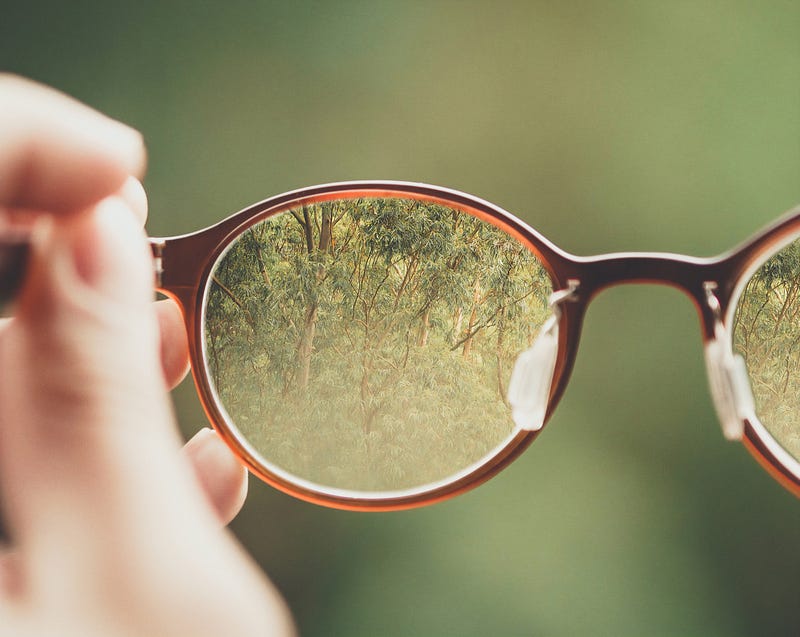
Just a year ago, I loved sunlight. I would wake up to sunrise streaming through the windows, and always go outside and bask in it for a few minutes, no matter how cold it got. It felt like I was somewhere in between a houseplant and a cat, photosynthesizing and gaining energy from that sunlight each morning.
And this practice lines up quite well with the research. Studies show that certain wavelengths of light from the sun activate the receptors and neurons in our eyes that signal the brain to wake us up, and my habit of going out to just stand there each morning was optimal for this.
When blue light enters the eye in the mornings, it activates a pathway beyond the usual sight pathway. It sends signals to the pineal gland of the brain and suppresses the production of melatonin, more commonly known as the sleepy hormone. And so, we feel more alert and awake.
But over the past year, I noticed myself feeling more tired and less alert in the mornings, the sunlight no longer feeling as rejuvenating as it once did. It still felt warm and comforting but wasn’t quite as effective at waking me up. Instead, it let me continue feeling sleepy, forcing me to rely on my brain to eventually realize it was time to wake up.
And so, I stopped going out each morning. I no longer went and just stood outside (unless it was snowing, in which case nothing could stop me), and no longer got my fresh burst of caffeinated sunlight to start the day off right.
That’s pretty much the way it stayed for the past year. And I got used to it, though I did occasionally complain and long for my powers of sunlight absorption once again.
That is, until I listened to a certain podcast episode a few days ago.
Episode #57 of the Huberman Lab podcast was all about optimizing your workspace for productivity, creativity, and focus, and it started out with a discussion about lighting in your workspace.
Dr. Huberman mentions in that discussion to keep your space lit up with light sources that specifically contain blue light, as this is what activates those neurons and wakes you up. Overhead lighting was especially good because the neurons were located in the bottom half of your eye.
He mentioned that sunlight was optimal, but to ensure that your windows were kept open or that you were outdoors because windows often reflected most of the blue light outwards.
And that’s when it hit me.
Blue light. That is what was important. And what had I gotten just a year ago? Glasses that reflected this essential blue light.
I felt as though I had rediscovered electricity. I ran to grab my laptop and immediately started searching through a trove of research and found that blue-light glasses did actually prevent blue light from having its alerting effect on your neurons.
It feels like such a simple oversight. I mean, I knew all the facts individually, I just never put them together to realize the issue at hand.
And so, I’ve stopped wearing my blue light glasses in the morning, and have honestly found myself starting up my morning photosynthesis routines again! Nothing against blue glasses, of course. They are an immense lifesaver especially if you suffer from eye strain and migraines as I do, but I am rather annoyed for not figuring this out earlier.
If you enjoy what I write and want to follow me on this journey, consider joining my weekly newsletter! You get bits from my week that I find to be productive or inspirational in my life, as well as some behind the scenes into what I do.


