
Sugar|Carb Sensitivity|Sugar Sensitivity|Addiction
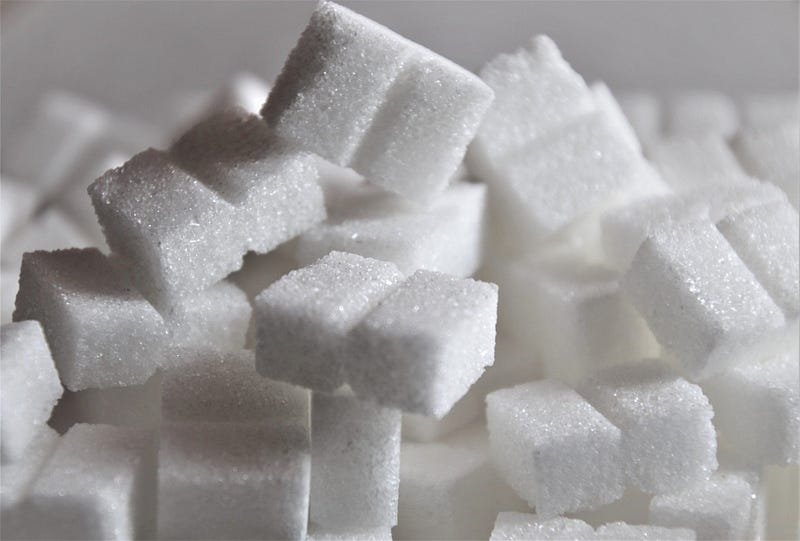
Sugar Addiction Unfair! Affects Some, Not Others
Serotonin is what drives the 2 am run to the store in a bathrobe
Have you noticed that some people react more strongly to sugar than others? They eat it more often, crave it, and want more even after they’ve eaten some.
Are you one of them? I was.
The reasons are genetic. I love that explanation. It removes blame and de-personalizes the reaction by making it chemical. We can’t be blamed for something we can’t control, right?
So what’s this genetic, chemical thing that causes sugar addiction? It’s in two parts — carbohydrate sensitivity and sugar sensitivity.
Carb Sensitivity
This is exaggerated insulin secretion to sugar and other carbs. Extra insulin can make glucose drop and cause cravings — usually for foods that raise glucose quickly. Like sugar.
Low glucose can also trigger hunger, so the carb-sensitive person might crave sugar, eat it, and eat lots of it.
Who’s likely to be carb sensitive? People with a family history of alcoholism, diabetes, hypoglycemia, hypertension, and/or obesity.
Another factor is an apple-shaped body. It’s characteristic of men, but women with that body type tend to be carb sensitive.
Sugar Sensitivity
This is about brain chemistry. Sugar-sensitive people seem to have low baseline levels of endorphins (beta-endorphin), dopamine, and serotonin. To simplify (over-simplify!), low levels of those chemicals make people feel crummy.
Who’s likely to be sugar sensitive? People with a family history of alcoholism, other addictions, depression or other mood disorders, or a personal history of PTSD.
When anyone eats sugar, there’s a brain release of endorphins. That triggers dopamine; the two go together. When a sugar-sensitive person eats sugar, the endorphin release is greater than normal — and so is the dopamine.
Their serotonin will be exaggerated, too — because of the high insulin that’s part of carb sensitivity. The more insulin we secrete, the more tryptophan (amino acid used to make serotonin) travels to the brain, and the more serotonin we produce. It’s linear.
Carb sensitives — who release extra insulin when they eat sugar — make lots of serotonin after eating it.
What About Addiction?
Dopamine and endorphins are the “reward” part of sugar addiction. Sugar-sensitive folks feel rotten without sugar because of their low dopamine/endorphin levels. But they feel way better than normal when they eat it.
That encourages repeat behavior.
Serotonin prompts seeking behavior — how much trouble we’re willing to go through to get sugar. Again, the exaggerated insulin response means extra serotonin and stronger seeking.
It sorta works like this: A carb-sensitive, sugar-sensitive person feels crummy without sugar. After eating Ben & Jerry’s, the giant-sized reward from high dopamine and endorphins is something the brain remembers. And a nightly desire for Ben & Jerry’s is born.
Extra serotonin is what drives the 2 am run to the store in a bathrobe to get it.

Anything Else We Can Do?
We can’t fight those genetics any more than we can fight our eye color. We need compassion, not judgment, for someone’s compulsions. Judgment never helps anyone, but compassion can.
So can organized, structured workouts.
Workouts increase endorphins, dopamine and serotonin. Pick an activity you like, do it moderately, and add several bursts of intensity along the way. As you get fitter, increase the number of bursts, the intensity, or both.
Work out in fitness classes or on your own at least 5 days a week, especially if you’re in recovery from alcohol or another substance.
A workout will make you feel better that day and in the long run — and help you overcome sugar addiction.
You know how people have diabetes, high blood pressure, high cholesterol, obesity and other health problems, but can’t fix them? Maybe they’re stuck on certain foods. I help people conquer food addictions, transform their health, and stay healthy. Just visit LastResortNutrition.com and grab your free Addiction-Kicking Consult.
Brought to you by Dr. Joan Kent, best-selling author of Stronger Than Sugar: 7 Simple Steps to Defeat Sugar Addiction, Lift Your Mood, and Transform Your Health.
