
Successfully Taking Your Book to the People
Working with a book designer

Your book is written. It has been scrutinized by editors, and you’ve done umpteen revisions. You are now at the final stage of preparation before taking your book to the people: book design.
The design process happens in two stages, cover design and interior design. Cover design is very exciting. Your image of what your book will look like on Amazon or the bookshelf of your favorite brick and mortar store begins to come alive. The book designer you choose should take your ideas and deliver at least a couple of options for you to choose from.
As I was making a decision about collaborating on my book, Win the Day: How to win your battles with stress, anxiety & depression, it was critical to find a designer I connected with, more so than their level of experience or price. Unless you are an ace graphic designer in addition to an incredible writer, you will be much better off hiring a designer. Let’s face it, the first thing a prospective reader is going to see is the cover of your book. It had better excite them if you want them to add it to their cart.
A good cover gives the reader a hint of what they will find inside, much like the images you choose for your articles. That’s one reason it’s important to find a designer you connect with: they have to present your work authentically to the public.
Having written and published books myself, when I talk to authors, I know how it feels to be in their position. It’s scary to navigate that whole experience, but oh my gosh, I feel like so many people have a book in them.
Once your cover is done, and you have approved it. It is time to work on the interior design. Oftentimes, in an effort to save money, an author may feel they can do this themselves. After all, how hard can it be to drop a word document into KDP and have your Kindle book come out with a polished product on the other end?
Well, it isn’t just the inside of your book, it’s a complete package. If the cover and the interior don’t match, your book will just feel wrong to the reader. Take a look at some of the books on your shelf. Is there cohesion between the cover and the inside of the book? How do the chapter markers look? Readers will not scrutinize these details, they will just perceive your finished work as being beautiful or unpolished. There is an expectation of the aesthetic for a book in your genre. Unless your work passes the visual test, readers will start off with a negative impression of your book. This is even before they have read a single word.
That is why a book designer is a crucial member of your team. Excite the reader about their purchase and have them thrilled to dive into the book every time they open it. Additionally, if you hope for readers to share your book with their colleagues, friends, and family, the book must look attractive. Look at the pictures below. Would you read and recommend the book on the left or the right?
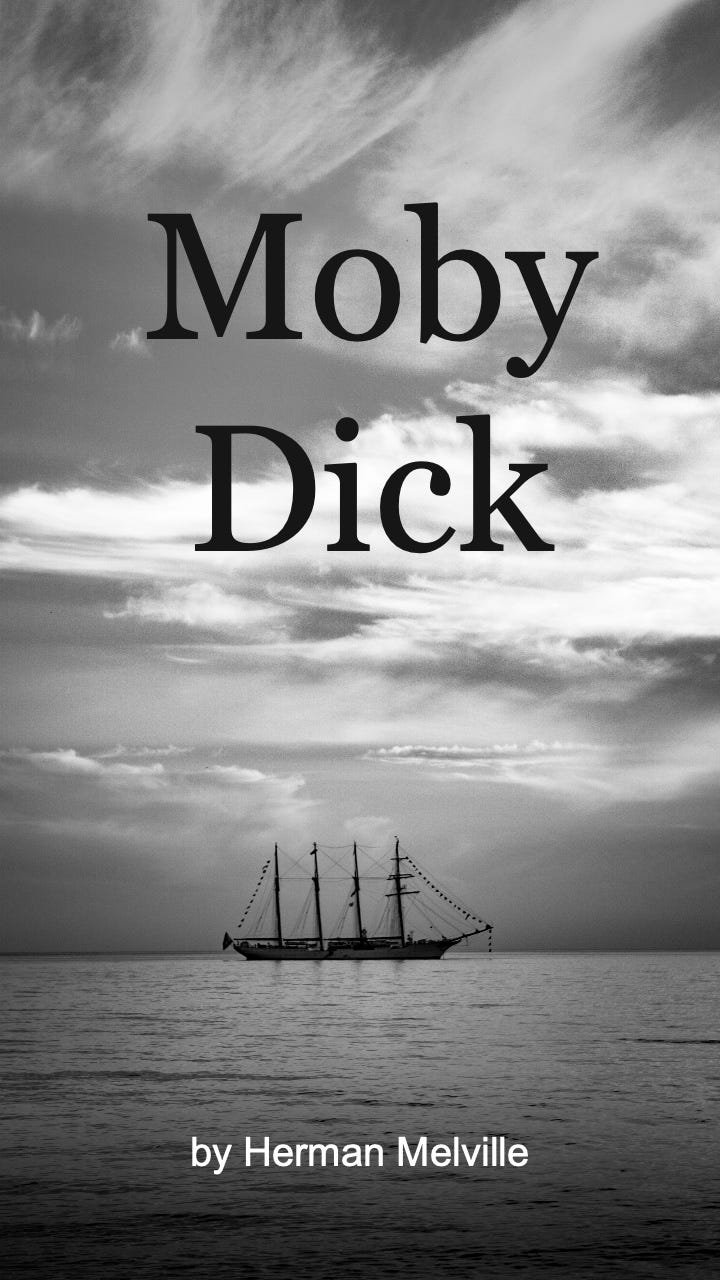
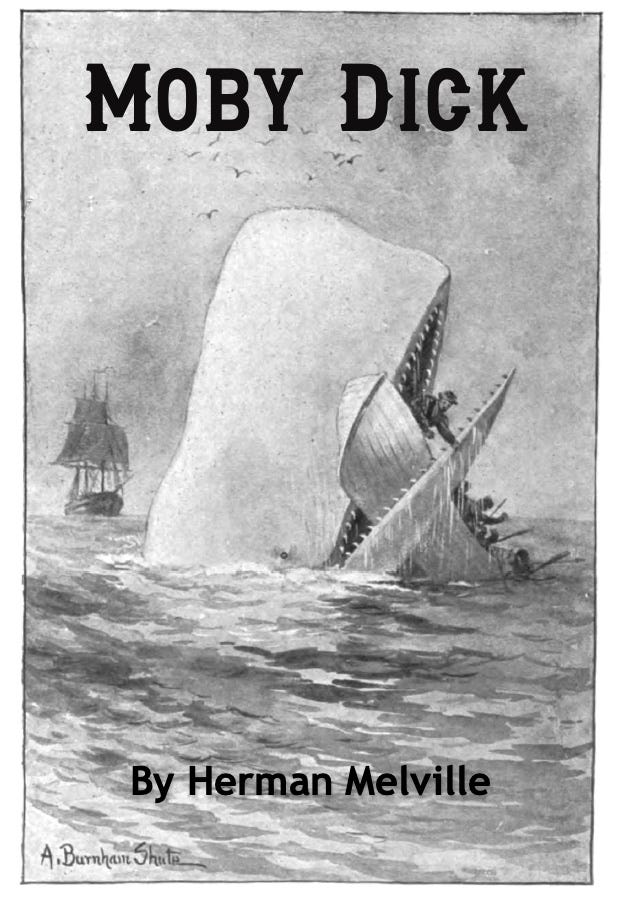

What exactly does a book designer do, and how can they help you? I sat down with my book designer, Tami Boyce, to discuss this topic. Tami is a freelance book designer and illustrator. She got her start designing concert posters and flyers before joining Create Space. The company was acquired by Amazon and is now KDP, the platform for publishing digital and print-on-demand books.
Tami Boyce: There are so many people out there that can help you with the self-publishing process, but you need to find someone that you trust. Look at their designs and make sure you like the aesthetic and their portfolio. You should also Google them, make sure they are vetted and have some good reviews.
One thing that’s awesome with self-publishing is you get a lot more control. You can make sure the book is exactly how you want it to be. With the big five publishing companies (Penguin/Random House, Hachette Book Group, Harper Collins, Simon & Schuster, and Macmillan) you don’t have much control. However, I think it’s also important to trust the professionals that you do hire and work with.
John: I agree, your book is your baby. You’ve got to make it the absolute best it can be inside and out. I know people that have published books that don’t really have that pro look to them. Maybe they had a friend without much experience designing for them, or they used a vanity press with a very specific look, or they did it themselves. At the end of the day, those results are disappointing, especially when you consider all the hard work that went into writing the book.
This seems to be one area you thrive in. Getting people from draft to selling online.
Having a dream, and maybe everyone thinks you’re crazy. Still, you just got to try.
Tami: Because I work with so many different types of people, I really try to respect people’s budgets and concepts. Often, budget is a person’s main concern when they are embarking on this project. So I provide an author handbook. This explains the process from draft to sales. I definitely encourage people to start with that. From there, set your budget.
I love helping people, but I could never be a doctor. I would faint every day. There are so many ways you can take what your strengths are, your skillset is, and just use that to help people. I just want people to work with the right people. That fit helps to make their book the best that it can be. If that’s me, great, that’s super, but I just want people to avoid working with sketchy and outright bad book service providers. There are companies out there that are just taking advantage of people, and that breaks my heart.
John: Getting a book to market and attracting people to it really is an investment. It’s an investment in yourself.
Tami: Yes, even with my skill, I still hire editors when I’m writing my children’s books. Not that she changes the story, but when she comes back, I’m like, oh, gosh, this looks so much more polished. It was definitely worth doing that.
You’re putting money into editing, design, and marketing. Those are your three key points to getting your work out there. I tell my authors all the time: There’s nothing wrong with being self-published, you just don’t want to look or sound self-published. Take the time to craft your manuscript and make sure the cover art is right.
At the end of the day, it’s the author’s book, and it’s their project. So I always give my professional opinion. If they have a really bad idea for the cover, I tell them. If they say I hear you and I disagree, we run with their ideas, for better or worse.
I want to get inspirational books like that into as many hands as possible. Then you know you are actually helping people. That’s why I love what I do. When people have such a strong story, an important message to share, I can help them get out there.
John: When you’re presenting in a gallery, writing a children’s book, or doing a book design for someone, what’s the thing that helps you keep that audience’s perspective in mind?
Tami: If I just worked on my own art, I would eventually probably get burned out, you know, maybe like, six months down the road, I’d be like, “Oh, my gosh, I’m totally out of ideas.”
I can switch that up with illustrating children’s books, and do work for clients, too. I love it. It’s just that constant switching that really helps me to do my best work. I feel like the busier I am, the more efficient I am with everything. I just love every day being different.
I’m like, Alright, what’s next, you know, what else is there to learn or branch out into? Because you gotta keep it fresh, and I love what I do.
We newbies to publishing are totally going to miss those things, but not someone that has done it hundreds or thousands of times.
Having written and published books myself, when I talk to authors, I know how it feels to be in their position. It’s scary to navigate that whole experience, but oh my gosh, I feel like so many people have a book in them. And I love self-publishing for giving everybody an outlet to put that in the world. Your first goal shouldn’t be to sell a million copies. Your goal should just be to produce something you are really proud of. That’s such a rewarding experience. I mean, then if it sells well, that’s just kind of a bonus.
John: I agree, that’s why hiring an editor and book designer is so important. Those people really help put the polish on your work.
One thing I really learned in the process of looking for a book designer is that book design isn’t just the cover. Tell me more about that.
Tami: Well yeah, it’s funny because I love text and typography. So designing the cover and designing the interior are two completely different beasts. And a lot of designers only do one part of it. But you know, again, through my experience with Create Space, like I probably would have never thought like ooh, interior design. I love that because I’m a dork, and I also really enjoy giving authors a cohesive product.
From time to time authors decide to do the interiors themselves. And that’s fine. I’m not going to push anything on anyone. Then they are formatting their book in Word and uploading it. My designer brain is like, that’s never going to look professional! When I look at a book, and the interior is a mess, you know the readers will notice those nuances. The book is your baby, and it should look as professional as you can make it. It’s the little things that make all the difference.
John: We newbies to publishing are totally going to miss those things, but not someone that has done it hundreds or thousands of times.
Having worked as a creative, I understand the client-side. They have an image of what they want. However, they don’t always know how to communicate that. So you explain the concept and have them sign off all the way through the process, but when you get to the finished product, and they say this is not what I wanted. That is so frustrating.
So, yeah, get a book out there if it’s in you, and I think it can just be an awesome and rewarding experience.
Tami: Yeah, everybody is so different. And you’re right. I always start off with an initial consultation. Some people are better at explaining their vision than others. Then, I give them my Independent Author’s Handbook and have them fill out a questionnaire. I always ask them to send me any designs that inspire them. It doesn’t have to be a book cover. Maybe it’s a poster, I don’t know, maybe it’s a website. I give them as many different ways to convey their ideas as possible. Even if it’s just an aesthetic that they like, it helps me to get into their brain and see their vision. There are times when I’ll give an author the concepts and they’re like; Ok, I didn’t know what I want. but now I see these, and they are wrong, so now I do know what I want.
John: As long as you’re getting to where you want to be, that’s all that matters.
Ok, so now I know that I need my book designed by a pro. My ultimate goal is to get it on Amazon. How long is that process?
Tami: That’s a very good question. But it’s really hard to have one answer because everybody is very different. Some people have a tight deadline, other people have a release date in mind and others just want the work done.
Once I give the cover concept design, I can’t do anything until I get an author’s feedback. So some authors know immediately, “Change this wording, and we’re good to go.”
Other authors need to sit on it. I never want to rush the process. We work on the cover design first. Then, once your manuscript is done we do the interior. I would say two weeks is the typical time to finish the cover design and the interior. They then have their final files and can upload them. However, sometimes that takes much longer. I mean, I have authors that I worked with for over a year.
John: Two weeks, that’s incredibly fast.
Tami: Yes, I feel like my turnaround is very fast. Once that’s done, you are ready to put it in Amazon, Barnes & Noble, or wherever you want to publish it.
John: Can you tell me about one of your successful projects, as we wrap up?
Tami: I recently worked with Derek Robinson on his book, continue: Surviving the darkness, choosing to live. I love when somebody has a touching story or a very strong point of view. And I feel so honored that I got to help them release that into the world. Derek is a retired firefighter. He had severe battles with depression and even contemplated suicide. His whole book is so inspiring. Think about what firefighters do and what they see. It’s traumatic. Many of his friends have lost their battles and took their own lives or died on the job. So it’s a very gut-wrenching story. But you know, luckily, he got through it. And he’s putting his work out there. And I am so happy to be part of something that is such an important message. And I want to get inspirational books like that into as many hands as possible. Then you know you are actually helping people. That’s why I love what I do. When people have such a strong story, an important message to share, I can help them get out there.
If you have a story in you, I just get it out there. And hopefully, you work with the right people. That takes a lot of the stress and horror out of the process. Then, try to make it fun. You can end up with a really polished product that you’re super proud of. So, yeah, get a book out there if it’s in you, and I think it can just be an awesome and rewarding experience.
Tami Boyce is a professional artist and book designer. You can find her at Tami Boyce Design Services. She has written several children’s books, including Owen the Octopus, a story about, in her words, “Having a dream, and maybe everyone thinks you’re crazy. Still, you just got to try. You’ll probably fail a lot. Then unexpectedly, you’ll be able to achieve that dream.”
Read more about how I am self-publishing my book, Win the Day: How to win your daily battles with stress, anxiety & depression, here.
ILLUMINATION-Curated, ILLUMINATION, Dr Mehmet Yildiz, Tree Langdon, Brian E. Wish, PhD, Dr Ron Pol, Dr Michael Heng, Paul Myers MBA, Karen Madej, Joe Luca, Dipti Pande, Kevin Buddaeus, Kate Maxwell, Arthur G. Hernandez, Bill Abbate, Michael Patanella, Aurora Eliam, CMP, René Junge, Geetika Sethi, Ahmed Jamal, Britni Pepper, Selma, Earnest Painter, Dew Langrial, B. A. Cumberlidge. Lanu Pitan, Agnes Laurens, EP McKnight, MEd, CR Mandler MAT, Sumera Rizwan, Liam Ireland, Tony Young, Jr., Neha Sandhir S, Desiree Driesenaar, Stuart Englander, Ntathu Allen, Thewriteyard, Haimish Mead, Maria Rattray, Cristo Lopez, PhD, Dr Preeti Singh, Holly Kellums, Kristina Segarra, Yohanan Gregorius, Audrey Malone,janny’s heart, Sabana Grande, Jennifer Friebely, Zen Chan, Aamir Kamal 🚀🚀🚀,[arlie] PEYTON, Georgia Dimitrious, Kim Petersen, Josh Balerite Acol, Noorain Hassan, BMS, Mallika Vasak, Ikram Al Mouaswas, George Blue Kelly, Scott Hughey (TheWriteScott), Claire Kelly, Pranjal Saxena, Aldric Chen, Bryan Dijkhuizen