
Substack’s Content Moderation Problem
They’d rather not talk about it
A few days ago, I found myself watching one of the most incredible interview moments I’ve witnessed in recent memory, as Niley Patel of the Vergecast grilled Substack CEO Chris Best over his platform’s content moderation policy. Or, to be more specific, the lack of one on Substack Notes.
In particular, Patel quizzed the CEO on what his platform would do if someone wrote the words: “all brown people are animals and they shouldn’t be allowed in America.”
In response, Best produced the kind of weasel talk you’d expect from a politician, broken up by moments of awkward silence.
You can find the full interview here
Here’s the transcript of what I find to be the most alarming portion of the interview/
Patel: “I just want to be clear, if somebody shows up on Substack and says”all brown people are animals and they shouldn’t be allowed in America,” — you’re gonna censor that.
Best: “So we do have a terms of service that, that, you know, have narrowly prescribed things that are not allowed… And there are extreme cases, and I’m not going to get into like the-”
Patel: “Wait, hold on. In America in 2023, that is not so extreme. Right? ”we should not allow as many brown people in the country.” — not so extreme. Do you allow that on Substack? Would you allow that on Substack notes?”
Best: “I think the way we think about this is, is we want to put the writers and readers in charge-”
Patel: “No, I really want you to answer that question.”
Best: “I’m not gonna get into gotcha content moderation”
Patel: “It’s not a gotcha, I’m a brown person. Do you think people on Substack should say I should get kicked out of the country?”
Best: “I’m not gonna engage in, you know, content moderation would you or won’t you this or that questions”
Patel: “Why? But it’s the thing you have to do” (long pause) “Right? I mean you have to make these decisions, don’t you?”
Best: “The way that we think about this is, yes, there is going to be a terms of service. We are going to have, you know, we have content policies that are deliberately tuned to allow lots of things that we disagree with, that we strongly disagree with. We think we have a strong commitment to freedom of speech, freedom of the press — we think these are essential ingredients in a free society. We think that it would be a failure for us to build a new kind of network that can’t support those ideals. And we want to design the network in a way where people are in control of their experience. Where they’re able to do that stuff. We’re at the very early innings of that. We don’t have all the answers for how those things will work. We are making a new thing. And we are, you know, we literally launched this thing one day ago. We are gonna have to figure a lot of this stuff out”
Patel: “You have to figure out”Should we allow over racism on Substack notes? You have to figure that out?
Best: “No, I’m not gonna engage -”
Patel: “You know this is a very bad response to this question, right? You’re aware you’ve blundered into this? You should just say no. And I’m wondering what’s keeping you from just saying no?
Interestingly, Best was a little more open to talking about content moderation in another interview he did with Joe Rogan, although still, he remained aloof (and Rogan didn’t exactly grill him), apparently not knowing the moderation details of his own company or what he would like them to be. Best did, however, very briefly mention that SubStack will at least censor threats of violence and porn.
So:
- Nudity and sex — absolutely not
- “Black people are animals and should be thrown out of the country” — Potentially acceptable.
At least, that’s how it seems to be until Best clarifies the situation.
A question of free speech?
You might be asking, “well what about free speech and the free web? Isn’t this a good thing?”. And to be clear, I’m completely for free speech and the free web philosophy.
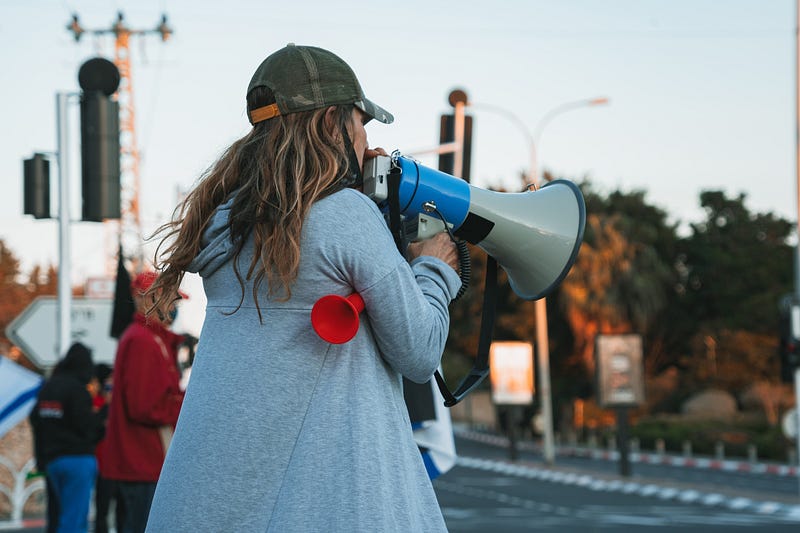
I don’t think either government entities or service providers should be censoring anyone’s mail or websites or denying service of either. But this isn’t a free speech issue. This is a platform issue. And there’s a key difference. It’s the difference between allowing a proud boy’s protest and handing out megaphones (or a better analogy might be putting them on national TV and paying them a commission to do so, but I digress).
As Patel states later in the interview: “Substack is not the government. Substack is a company that competes in the marketplace.” What’s more, with the introduction of Notes, Substack is no longer just a service provider, either (if they ever were).
This isn’t a case of them renting out server space or offering software you can download. They are a social platform and should be as open to scrutiny as Facebook or Twitter concerning what they agree to host (and I sure hope they don’t turn out like them). And it’s going to define their values going forward whether they like it or not.
But for now, Chris Best would rather not talk about it.
Agree/disagree? Let me know what you think about this situation in the comments.
Looking for more to read? Check out these stories next.