avatarMarc White

Free AI web copilot to create summaries, insights and extended knowledge, download it at here

1066

Abstract

ively charged particles found within the nucleus of an atom. Each proton carries a fundamental positive electric charge, which is balanced by negatively charged electrons in the atom. The number of protons in an atom determines its atomic number and identifies the element. For example, all hydrogen atoms have one proton, all helium atoms have two, and so forth.</p><p id="66f3">Neutrons: Neutrons are electrically neutral particles also located in the nucleus of an atom. Unlike protons, neutrons have no net electric charge. They help stabilize the nucleus by counteracting the repulsive forces between positively charged protons. Neutrons contribute to the mass of an atom but do not influence its chemical properties significantly. Isotopes of an element differ in the number of neutrons present in their nuclei while maintaining the same number of protons.</p><p id="7833">Electrons: Electrons are negatively charged particles that orbit the nucleus of an atom in specific energy levels or electron shells. Electrons are much smaller in mass compared to protons

Options

and neutrons but play a crucial role in chemical reactions and bonding. They determine the chemical behaviour of an element and participate in the formation of chemical bonds between atoms. The number of electrons surrounding the nucleus is equal to the number of protons in a neutral atom, maintaining electrical neutrality.</p><figure id="739c"><img src="https://cdn-images-1.readmedium.com/v2/resize:fit:800/0*vbiJcZMWavsD2Tde"><figcaption>Photo by <a href="https://unsplash.com/@bamdadnorouzian?utm_source=medium&amp;utm_medium=referral">Bamdad Norouzian</a> on <a href="https://unsplash.com?utm_source=medium&amp;utm_medium=referral">Unsplash</a></figcaption></figure><p id="6a94">Together, protons, neutrons, and electrons form the basic structure of atoms, with protons and neutrons located in the nucleus and electrons orbiting around it. Understanding the properties and interactions of these subatomic particles is essential to comprehend the behaviour of matter at the atomic level and explore the principles of chemistry and physics.</p></article></body>

Subatomic particles are the fundamental constituents of atoms, the smallest units of matter.

These particles play vital roles in determining the properties and behaviour of atoms. The three main types of subatomic particles are protons, neutrons, and electrons. Here’s a closer examination of each:

Protons: Protons are positively charged particles found within the nucleus of an atom. Each proton carries a fundamental positive electric charge, which is balanced by negatively charged electrons in the atom. The number of protons in an atom determines its atomic number and identifies the element. For example, all hydrogen atoms have one proton, all helium atoms have two, and so forth.

Neutrons: Neutrons are electrically neutral particles also located in the nucleus of an atom. Unlike protons, neutrons have no net electric charge. They help stabilize the nucleus by counteracting the repulsive forces between positively charged protons. Neutrons contribute to the mass of an atom but do not influence its chemical properties significantly. Isotopes of an element differ in the number of neutrons present in their nuclei while maintaining the same number of protons.

Electrons: Electrons are negatively charged particles that orbit the nucleus of an atom in specific energy levels or electron shells. Electrons are much smaller in mass compared to protons and neutrons but play a crucial role in chemical reactions and bonding. They determine the chemical behaviour of an element and participate in the formation of chemical bonds between atoms. The number of electrons surrounding the nucleus is equal to the number of protons in a neutral atom, maintaining electrical neutrality.
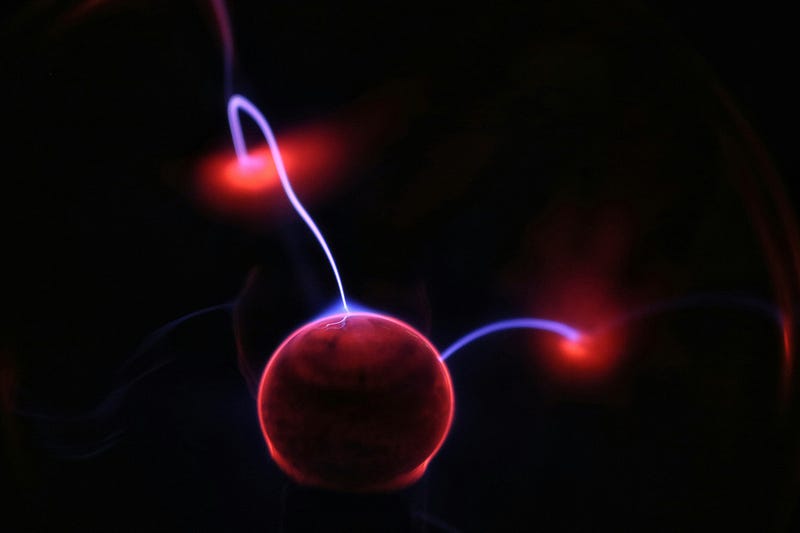
Photo by Bamdad Norouzian on Unsplash

Together, protons, neutrons, and electrons form the basic structure of atoms, with protons and neutrons located in the nucleus and electrons orbiting around it. Understanding the properties and interactions of these subatomic particles is essential to comprehend the behaviour of matter at the atomic level and explore the principles of chemistry and physics.

Subatomic Particles
Quantum
Quantum Physics
Proton Therapy
Elections
Recommended from ReadMedium