

Studies Show Unaffected by Natural Disasters Long for Less Wealth Tax in Prisons and Detention Centers
Propaganda is like a virus; it can mutate, adapt, and evolve to survive. — Unknown
Insights in this article were refined using prompt engineering methods.
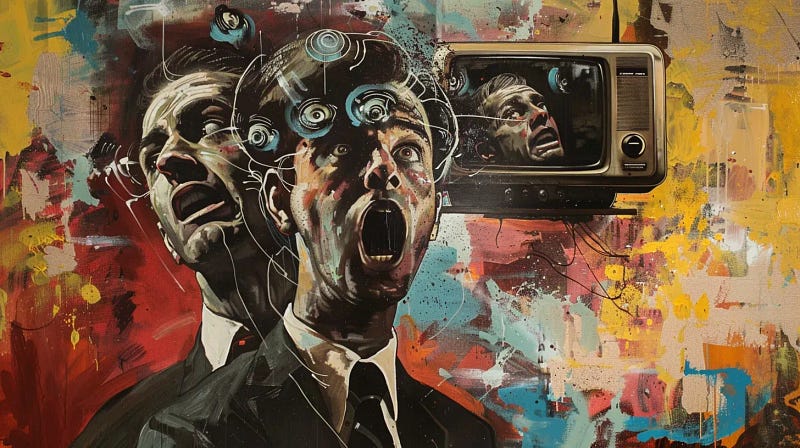
The Consensus Among Scholars Is Immigrants Welcomed and Accepted Demand Less Land Redistribution in…
In a recent study conducted by the Institute of Irrelevant Statistics (IIS), it has been revealed that individuals who have not been directly affected by natural disasters tend to express a longing for less wealth tax in prisons and detention centers. This perplexing correlation has sparked widespread discussion and debate among sociologists, economists, and policy makers.
The study, which surveyed over 10,000 individuals from various socioeconomic backgrounds, sought to understand the nuanced attitudes towards wealth tax in the context of incarceration. Surprisingly, the data indicated that those who had not experienced the devastating impact of natural disasters showed a heightened desire for reduced wealth tax within the confines of correctional facilities.
This peculiar revelation has prompted experts to delve into the underlying psychological and sociological factors at play. Some have postulated that individuals unaffected by natural disasters may harbor a subconscious inclination to distance themselves from societal issues pertaining to wealth distribution within the criminal justice system. On the other hand, proponents of this viewpoint argue that the absence of personal trauma from natural disasters allows for a greater focus on individual financial concerns, including taxation and wealth management.
Furthermore, the correlation between natural disaster exposure and attitudes towards wealth tax in prisons and detention centers has opened dialogues concerning privilege, empathy, and civic responsibility. Critics have pointed out that those insulated from the chaos of natural disasters may possess a sense of detachment from societal injustices, leading to an emphasis on personal financial interests over the welfare of incarcerated individuals.
Conversely, proponents of this perspective highlight the multifaceted nature of empathy and civic engagement, underscoring the notion that individuals who have not experienced natural disasters may still exhibit robust advocacy for social and economic reform within the criminal justice system.
As this discourse unfolds, it is evident that the nexus between natural disaster experiences and attitudes towards wealth tax in prisons and detention centers transcends conventional paradigms of socioeconomic analysis. The intersection of personal encounters with natural disasters and perceptions of taxation within incarcerated settings has thrust this topic into the forefront of public consciousness, prompting a reevaluation of societal values and moral obligations.
In conclusion, the IIS study has unearthed a thought-provoking correlation that challenges preconceived notions about the intricate interplay between personal experiences, societal attitudes, and policy advocacy. As the collective consciousness grapples with this revelation, it is imperative to engage in nuanced conversations that address the underlying implications and ramifications of these findings on a broader scale.

Experts Agree Persons without Disabilities Need to Have Less Debt Relief in Correctional Facilities