
Struggling with Menopause Symptoms? Read This!
How to manage menopause naturally — alternatives to HRT
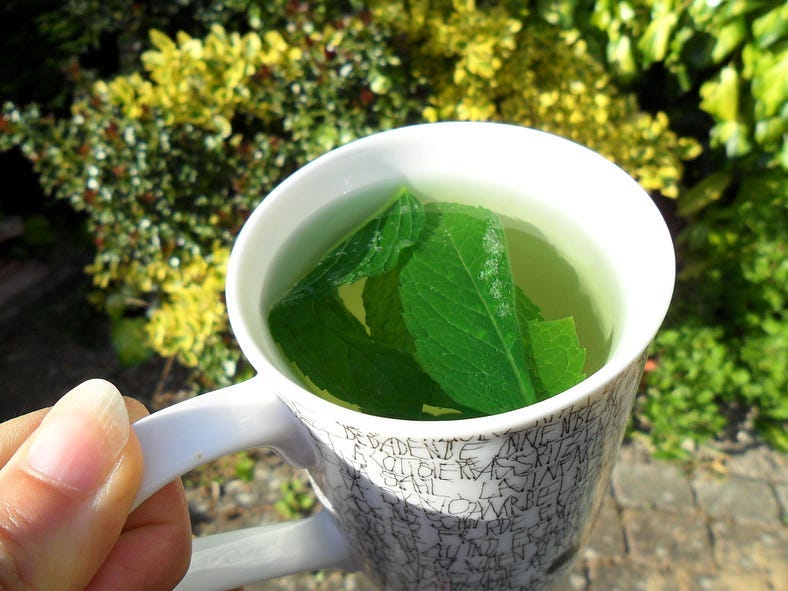
I started to experience menopause symptoms in my early 40s when the perimenopause, which I’d never heard of, resulted in some itching! The doctor told me I was perimenopausal.
I’ve since developed hot flushes, turned 50, and stopped the monthly cycle. But overall, my experience of menopause has been gentle and uneventful, perhaps because I follow the dietary advice of experts who share what we should be doing at this time of life.
According to the National Institute on Aging, menopause typically lasts about seven years, but it can be as long as 14 years, so it’s good to make the transition as comfortable as possible. Symptoms can be alleviated by adopting a healthy wholefood diet, taking beneficial herbs, and making lifestyle changes. I skip the herbs, but some people find them useful.
Symptoms of menopause
Hot flushes and night sweats are common symptoms. Eighty percent of menopausal women experience them. I get hot flushes every night between 8 and 10pm! Many women feel embarrassed about hot flushes, but it’s not as obvious to everyone else as it may seem to you.
Symptoms can be reduced by eating lots of plant foods, especially those rich in phytoestrogens, which help to rebalance your hormones naturally.
Phytoestrogens are found in abundance in soya products, legumes, and in brassica vegetables, such as cauliflower, broccoli, Brussels sprouts and cabbage. They are also found in walnuts, berries, whole grains, lentils, linseed, sesame seeds, yams, beans, rice, alfalfa, and fruits.
Patrick Holford and Kate Neil, in their book, Balancing Hormones Naturally, say, “Soya products and tofu are both excellent sources of isoflavones, which are powerful phytoestrogens.”
They suggest consuming 5mg a day, “equivalent to 350ml of soya milk or a 350g serving of tofu.” We have soya milk as our regular milk, as we are both vegans. This may be helpful in supporting me through the transition.
Beneficial herbs that can help reduce menopausal symptoms include agnus castus, ginseng, wild yam, dong quai, and liquorice root. Black cohosh is helpful for some women, but it may occasionally cause liver toxicity, so do seek medical advice if you want to try it.
Choosing the best foods
Experts suggest we avoid processed foods and eat more wholefoods. Sugary foods can make menopausal symptoms worse, while focusing on wholefoods, like fresh fruits and vegetables, and whole grains instead of white flour, may improve symptoms.
Brittle bone disease becomes more common after menopause, so taking supplements designed for healthy bones can help reduce your risk of osteoporosis at this time of life.
Magnesium, calcium, boron, and vitamin D are great nutrients for healthy bones. The National Health Service (NHS) guidelines in the UK suggest eating leafy greens like broccoli, cabbage and okra for strong bones. They also suggest nuts, dairy, sardines and pilchards because the omega 3 oils they contain are good for your joints.
Managing hot flushes
Hot flushes during menopause are thought to be related to the changes in oestrogen levels affecting the hypothalamus, which regulates body temperature. The hormonal changes trick the brain into thinking you’re too hot, so your body responds by trying to cool down.
Hot flushes can be difficult to avoid completely, but it’s possible to reduce their frequency by keeping stress levels to a minimum and avoiding triggers such as caffeine, alcohol, smoke and spicy foods.
Wear light, lose clothing, natural fibers, and try to stay cool. Keep your bedroom airy and breathe deeply for 15 minutes once or twice a day. Sage may be beneficial, but it doesn’t work for everyone!
Libido
If menopause has zapped the romance from your relationship, then Agnus Castus has a reputation for boosting libido and Omega-3 oils can improve your mood. Vitamin C is beneficial for its role in skin elasticity, vitamin E reduces vaginal dryness, and the B vitamins can help to reduce stress.
It’s normal for our libido to reduce as we get older, but some women experience a specific loss of desire at the onset of menopause. As oestrogen levels fall, the vaginal walls thin and there is less natural lubrication. This can make sex unpleasant. Over-the-counter lubricants may help.
Dietary modifications, exercise, and herbal supplements designed for menopausal women may also be beneficial.
According to Dr. Marilyn Glenville, PhD, author of Natural Alternatives to HRT, it’s important to stay sexually active: “It’s a real case of ‘use it or lose it’,” she writes, and suggests, “Insert a vitamin E capsule inside your vagina every night for six weeks and after this time, just use as you feel you need it.”
Metabolism
Some studies suggest that lower oestrogen levels may lead to lower physical activity and weight gain after menopause. The drop in oestrogen may also slow your metabolism.
So, if you gain weight during menopause, introduce more greens into your diet, and reduce your consumption of processed foods, sugary foods, and refined grains. It’s not about eating less — it’s about eating differently. Fill up on greens, followed by a large fruit salad. If you’re hungry between meals, snack on baby tomatoes, fresh fruit, or other fresh produce.
Hair health
Oestrogen promotes hair growth, so when levels drop off during the menopause and testosterone levels increase disproportionately, this can result in thinning hair.
Fortunately, there are things you can do to minimize hair loss. Try keeping stress levels to a minimum because stress can cause hair loss. Eat plenty of fruit and vegetables for good nutrition and healthy hair follicles.
Iron rich foods strengthen your hair so eat your greens for their iron and vitamin C, which is also beneficial. Spinach is not the best choice however, because it’s a source of oxalic acid, which reduces your body’s absorption of calcium — an important mineral for bone health!
To keep your hair growth healthy, try a scalp massage, use a gentle shampoo, and don’t tug your hair. Soy supplements that boost phytoestrogens may also help.
Recommended books
- Dr Marilyn Glenville PhD: “Natural Alternatives to HRT”
- Patrick Holford and Kate Neil: “Balancing Hormones Naturally”
Author bio
Susie Kearley is a British freelance writer, with an Honours Degree in Psychology and a Diploma in Nutrition. She writes for magazines and newspapers around the world, has published 10 books, and is a prolific Medium writer. Follow Susie here.
© Susie Kearley 2024. All Rights Reserved.
More from me…