
Stretching Your food Budget
How to Save (and Use) Leftovers, Ideas your Picky Family Won’t Hate…
Ihave a family of four, occasionally five, if the oldest son is home. And the one thing that all three kids and my husband have in common, is that the all HATE left-overs. Doesn’t matter how awesome it was for dinner, once dinner is over, that food is dead to them. Never to be touched again.
But, when you have a household full of teenagers, you never know who will be home, and wanting to eat at dinner time. If i make just enough for me and my husband, inevitably, everyone will want food. However, if i make enough for everyone… somehow everyone will have somewhere else to be.
Plus, I have this irrational fear of people being hungry, so admittedly, I cook more than necessary.
So inevitably, there are always leftovers and a lot of waste, when your family refuses to eat them. Which bothered me.
But why bother saving the leftovers when no one will eat them? After all, most of the time there wasn't that much to save anyway. I know that the easiest way to cut food costs, is to cut food waste, but how can I do that when no one eats left overs? So I started tweaking the way I cooked so that I could save food, without saving “left overs”.
These small changes made a HUGE impact on my food bill.
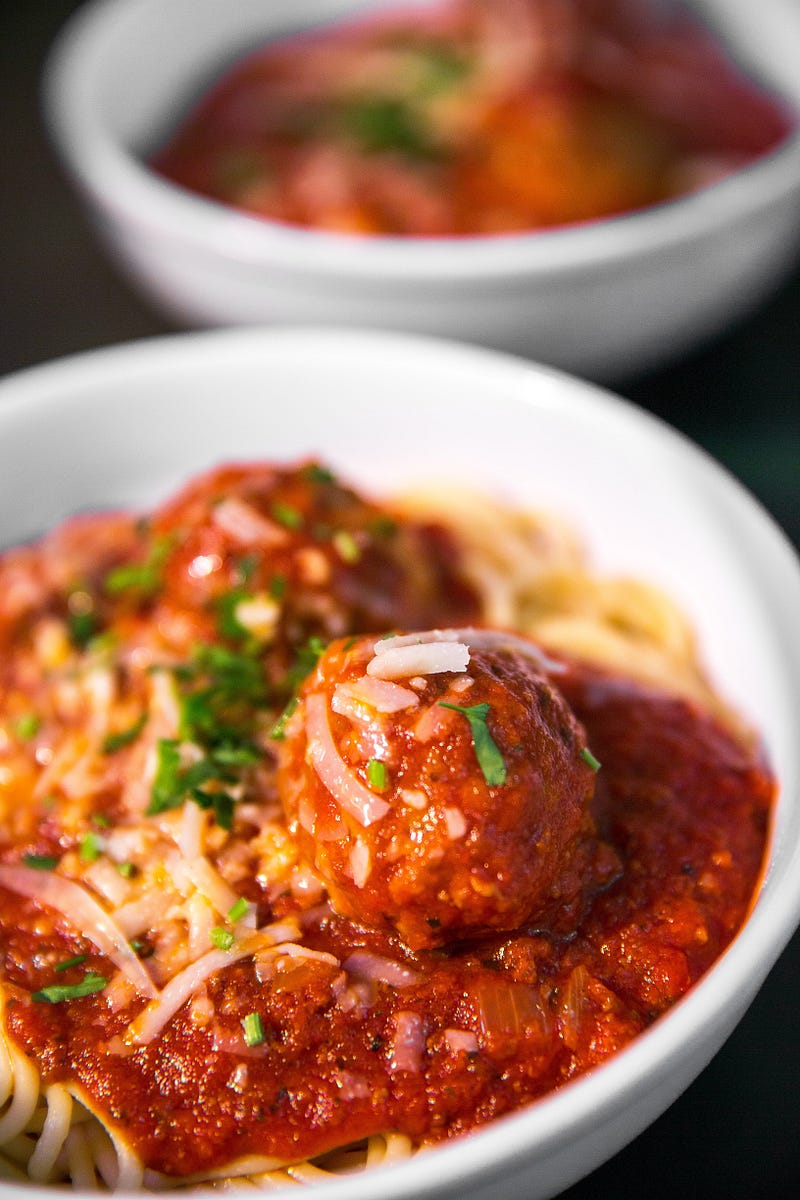
- Spaghetti- If you automatically mix your noodles and pasta sauce together, stop. Leave them separate. Use a mixing bowl to mix sauce and noodles together, as you plate them. Toss the extra noodles in the trash. Freeze the leftover sauce. Start a ziplock bag or container for your sauce, so that you can save even small amounts every time you have spaghetti. (once cooled, of course, ALWAYS follow food safety procedures). Eventually, you will have enough to make another dinner. Thaw it out, add fresh herbs, seasonings, and tomatoes to perk it up, and they will never know the difference.
- Start a freezer ziplock/ container system. In my freezer I have one for spaghetti sauce, two for veggies (cooked/raw), breakfast gravy, taco meat/refried beans, and chicken gravy. Each time I have even a spoonful of left overs I add it to the appropriate bag. Eventually, it adds up and I can use it for something else.
- The veggie bag (cooked): each time we have any sort of leftover cooked veggies like corn, peas, beans, ETC, I throw them in the bag. Once there is enough in it, I can use it in soups, stews, casseroles, and pots pies. My family has never noticed a difference. And I never have to buy mixed veggies.
- Veggie scraps, raw: scraps like carrot ends/peals, damaged cabbage leaves, celery/ celery tops, and the like, can be frozen and made in to a veggie broth for soups, stews, and cooking. Once you get a large bag of veggie scraps, simmer with water, and salts/seasonings of preference.
- The taco meat/beans: We eat a lot of tacos/ burritos at my house. They are quick, easy, and everyone can make them how they like them. But there was always left over meat and beans, but never enough to do anything with. Instead of tossing them, I save them in the freezer. When I get enough, I make what we call taco pie. You can use a pie crust, a tube of cheap biscuits, or the favorite in my house is a crescent roll crust. Those cheap tubes of crescent rolls, or some stores actually have a tube, that’s a sheet of crescent roll, specifically made to be a crust. But line your pie pan with the crust of choice, add warmed meat/bean mix, top with enchilada sauce if desired. Bake until crust of choice is cooked completely, adding shredded cheese for the last five minutes of baking. Once cooked, top with taco toppings of choice, shredded lettuce, cheese, salsa, olives, sour cream, etc.
- The same can be done with gravy. If your family makes gravy from scratch, it to can be saved a little at a time and used at a later date. The key to reviving gravy is to add seasonings. I also tend to use my revamped gravies in casseroles or pot pies, because then I can also add shredded cheese, sour cream, or cream cheese to them. This adds another flavor layer to hide any possible “freezer taster” those picky eaters might find :)
- Mashed potatoes: Can be frozen. Start a bag or container, as you did with other things. When thawed, I can make them into potato pancakes (letting your picky kids chose what to put in theirs, makes them more willing to try new things). Cheese, chives, bacon bits, ham chunks, shredded meat, or anything that goes with potatoes). Mashed potatoes can also be used to top a “pot pie” or shephard’s pie. Or they can be made into a stuffed mashed potato, by adding a bit of shredded cheese, bacon bits, chives (unless your kids hate them) and sour cream or cream cheese.
- The key to left overs:
Don’t let them know that it’s left over.
Preserve what you don’t use, and use it later to create something completely different. Don’t have spaghetti twice in one week. Have spaghetti, save the sauce, and later have lasagna.
Add new layers of flavor to the previously frozen foods with fresh herbs, seasonings, various cheeses, sour cream, or garden fresh veggies (when its garden season).
If you eat spaghetti for three days, everyone knows it’s leftover.
If you separate the sauces and the gravies, and use those to create completely fresh meals, they will never know…. Unless they catch you defrosting. :)
Note: Please note: ALWAYS use appropriate food safety procedures. Do not add hot or warm food to a bag of frozen food. This can cause illness.
Rowen is a mother, Wife, Domestic Violence Victims Advocate, community volunteer, and nature lover. Most of her time is spent with her family or volunteering in her community. Rowen has a degree in Psychology, with a concentration in Family Counseling and Minoring in criminal justice. Writing has been her passion since high school, and she enjoys using it to help others.


