
Streamlining Success: The Power of Pipelines in Modern Industries
In the fast-paced world of modern industries, efficiency is the key to success. Whether it’s in manufacturing, software development, or data analysis, the ability to seamlessly move tasks and processes from one stage to another is paramount. This is where pipelines come into play, acting as the unsung heroes of productivity and effectiveness.
Understanding Pipelines
At its core, a pipeline is a series of connected processes or stages that work together to accomplish a specific task. Think of it as an assembly line in a factory, where each station has a specific function, and the end result is a finished product.
In the realm of software development, pipelines automate the process of building, testing, and deploying code. In manufacturing, pipelines facilitate the production of goods, from raw materials to the final product. In data analysis, pipelines assist in transforming and analyzing data from various sources.
Key Components of Pipelines
1. Source The source is where the process begins. It could be raw materials in manufacturing, source code in software development, or data sets in data analysis. This is the starting point of the pipeline.
2. Processing Units This is where the magic happens. In a manufacturing pipeline, it’s the stations where raw materials are transformed into components. In software development, it’s where code is compiled, tested, and optimized. In data analysis, this is where data is cleaned, transformed, and analyzed.
3. Connectors These are the bridges between stages. Connectors facilitate the seamless flow of materials, code, or data from one processing unit to the next. They are often automated and ensure that no time is wasted in transit.
4. Quality Checks At various stages, quality checks ensure that the output from the previous stage meets the required standards. In manufacturing, this might involve inspections for defects. In software development, it could include code reviews and testing. In data analysis, it might involve data validation and outlier detection.
5. Output The output is the end result of the pipeline. It could be a finished product in manufacturing, a deployed application in software development, or insights derived from data analysis.
Benefits of Pipelines
1. Consistency and Reliability Pipelines enforce a standardized process. This reduces human error and ensures that tasks are performed consistently, leading to higher quality outcomes.
2. Efficiency and Speed By automating repetitive tasks, pipelines accelerate the entire process. This means faster time-to-market in software development, quicker production cycles in manufacturing, and more rapid insights in data analysis.
3. Traceability and Accountability Each stage of a pipeline can be tracked, providing a clear picture of progress. This traceability aids in identifying bottlenecks and areas for improvement. It also establishes accountability for each stage.
4. Scalability Pipelines are designed to handle large volumes of work. As demand grows, they can be scaled up to accommodate increased throughput.
5. Resource Optimization By automating and streamlining processes, pipelines make more efficient use of resources. This can lead to cost savings and higher profitability.
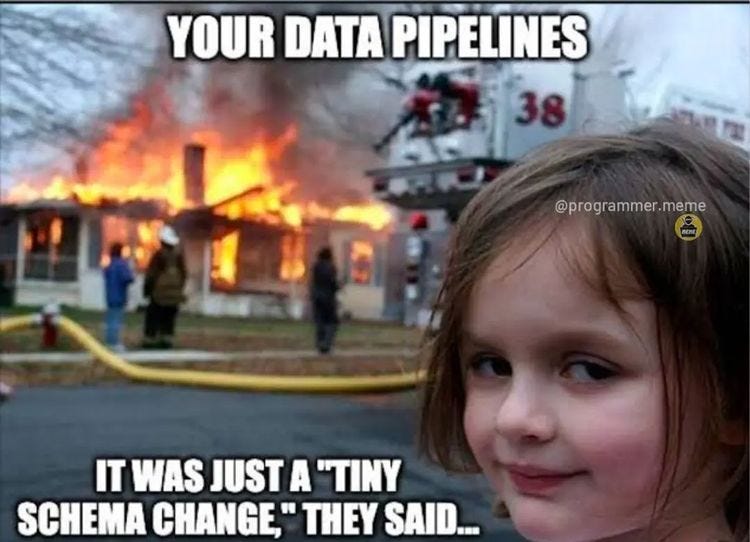
Pipeline Challenge 😂
Embracing Pipelines for Success By leveraging the power of pipelines, businesses can stay ahead of the curve, delivering higher quality products and services in less time. It’s not just about streamlining processes; it’s about setting the stage for success in an ever-evolving world. So, start building your pipelines today, and watch your productivity soar.