
Austria
Strange Policies or Future Perfect Model?
Understanding Austria’s approach to waste management.
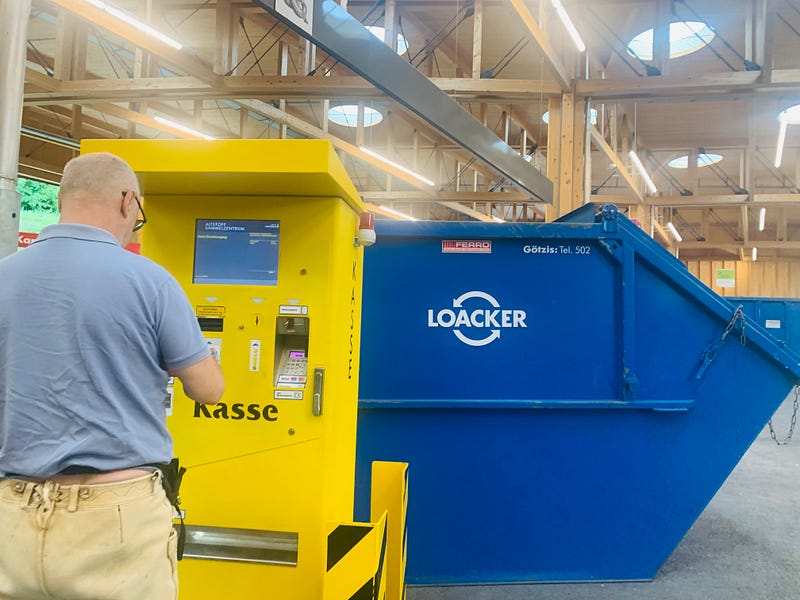
In today’s world, where waste management is a pressing global concern, Austria’s approach stands out as a beacon of hope.
As someone who values the environment and strives for a sustainable future, I find Austria’s waste management policies and practices fascinating.
The country’s Future Perfect Model not only tackles waste-related issues effectively but also inspires individuals and nations alike to rethink their approach.
I will share my personal reflections on Austria’s innovative waste management strategies and how they have the potential to shape a greener world.
Waste Prevention: A Conscious Choice
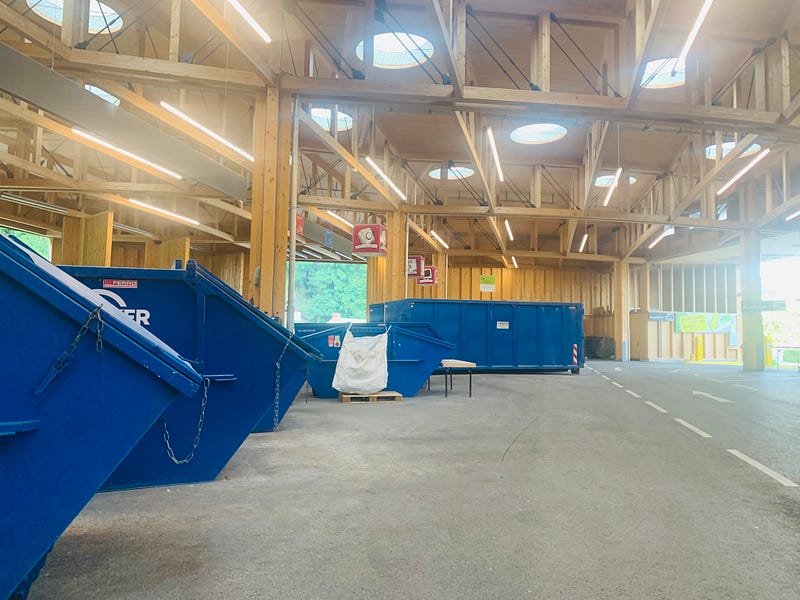
One aspect of Austria’s waste management approach that resonates with me is its emphasis on waste prevention. Instead of solely relying on waste treatment and disposal, Austria prioritizes reducing waste at its source.
This philosophy encourages individuals to make conscious choices, such as opting for reusable products and minimizing packaging waste.
By embracing responsible consumption habits and raising awareness, Austria empowers its citizens to actively participate in waste reduction efforts.
The Power of Recycling: A Circular Economy in Action
Austria’s commitment to recycling and its comprehensive infrastructure for waste separation has left a lasting impression on me.
Witnessing firsthand how households sort recyclable materials, such as paper, glass, plastic, and metal, has highlighted the importance of individual actions in building a sustainable future.
Recycling not only conserves valuable resources but also reduces the strain on landfills and mitigates pollution. Austria’s efficient recycling system demonstrates the transformative power of a circular economy in action.
Energy Recovery: Maximizing Waste’s Potential
Austria’s innovative waste-to-energy facilities have broadened my perspective on waste management.
Understanding how non-recyclable waste can be harnessed to generate heat and electricity has shown me that not all waste needs to end up in landfills.
These state-of-the-art facilities adhere to strict emission control standards, ensuring that energy recovery is accompanied by environmental responsibility.
Austria’s approach encourages me to explore renewable energy options in my own life and advocate for their implementation on a broader scale.
In every household
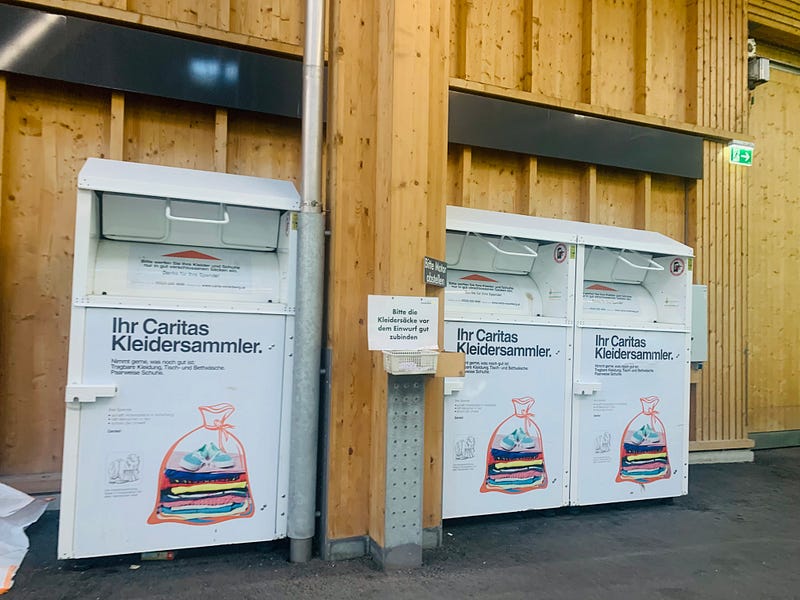
At home, the disposal of garbage is taken very seriously, and a well-organized system is in place to ensure that waste is properly sorted and placed in designated bins. My husband shared with me that the country emphasizes recycling and minimizing waste to protect the environment.
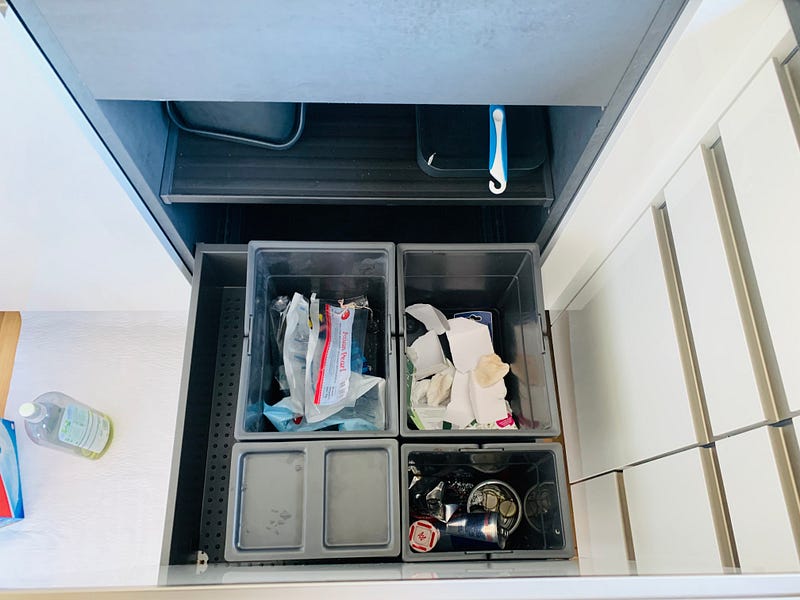
Austrian households typically have separate bins for different types of waste. The most common bins include general waste, paper, plastic, glass, and organic waste.
When it comes to disposing of garbage, Austrians follow strict guidelines. General waste, which cannot be recycled or composted, is placed in the designated bin for non-recyclable waste. Paper waste, including newspapers and cardboard, is collected separately and placed in a bin specifically designated for paper recycling.
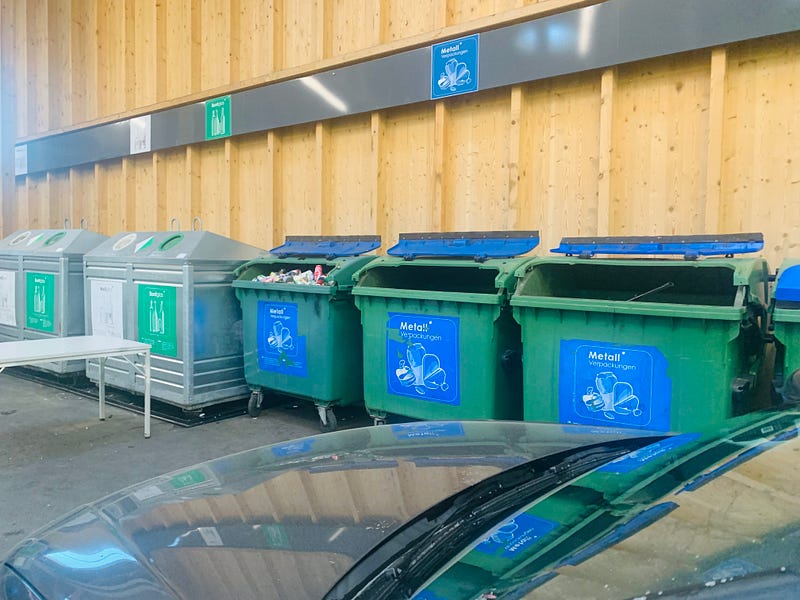
Plastic waste is sorted by types, such as PET bottles, plastic containers, and plastic packaging. Each type has a separate bin, allowing for efficient recycling. Similarly, glass waste is divided into clear, green, and brown glass and is collected separately.
Organic waste, such as food scraps and garden waste, is collected in compost bins. These organic waste bins are often provided by the local municipality, and the collected waste is then used for composting or producing biogas.
Overall, Austria’s waste disposal system promotes sustainability and resource conservation. The emphasis on recycling and separating the waste into designated bins ensure that materials are properly recycled or reused, reducing the environmental impact of waste disposal.
Wrapping Up
Austria’s Future Perfect Model for waste management has deeply influenced my perspective on sustainability and the environment. Witnessing the country’s focus on waste prevention, comprehensive recycling infrastructure, circular economy initiatives, and public participation has inspired me to take action in my own life.
By emulating Austria’s approach, both as individuals and as a global community, we can work towards a future where waste is minimized, resources are optimized, and our planet thrives.
I wish that many Asian countries also embrace the lessons learned from Austria and collectively shape a greener, more sustainable world.
My Twitter | Linkedin | Buy me a Coffee | Join Medium | Subscribe with me My Opensea NFT Collection | Freepik Download Images