
Stop Using the C-Word to Describe My Writing.
It denies the Elusive Ephemerality of my Spirit

When I write, I send a pail deep down into the well, plumbing the artesian depths.
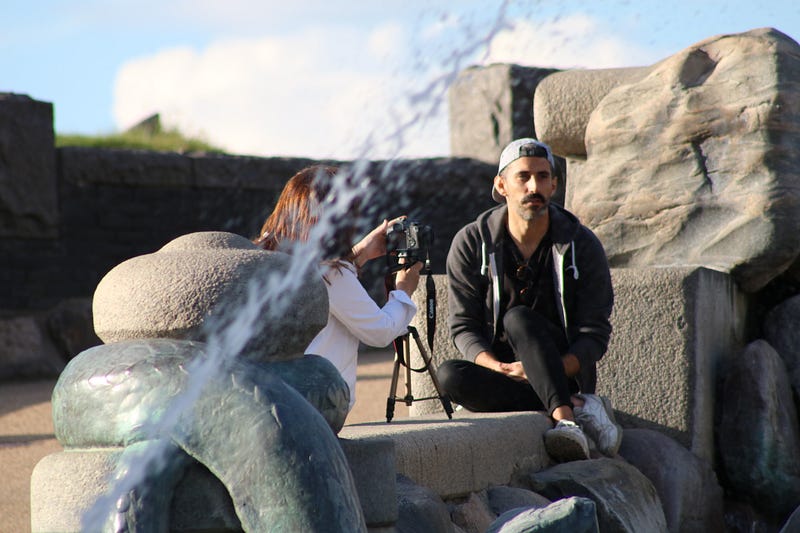
I quiet my body, I sit completely still and I wait for the spirit to move me.
I reach back into my past for you. I dust off near-forgotten memories and share who I am with you. I reflect and watch the shapes inside me shimmer and coalesce. Then I try to tell you about them.
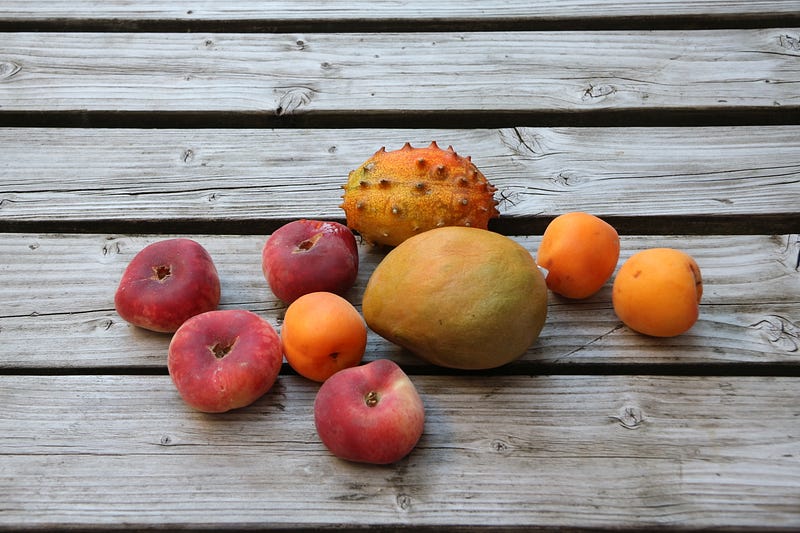
To treat my work and that of my fellow writers as “filling” for empty columns or as anything other than the glorious exotic fruit grown in the fertile soil of our imagination is an insult.
Using the c-word to describe my writing has connotations of grey homogenous sludge gushing out of a firehose and compensated for at a fraction of its real value.
The implicitness of this mendacity is grossly demeaning.

Writing, illustrating and making videos, to take three ubiquitous examples, are more like the blossoms of an immense orchard garden with trees, shrubs, bushes and flowers.
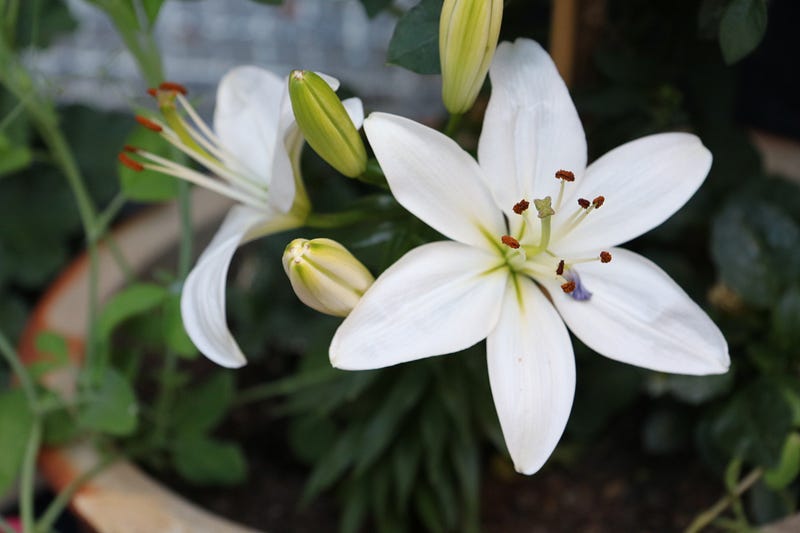
Creativity is precious and magical. It can neither be harnessed, dictated to nor rushed.
To claim otherwise is to deny the depth, power and transcendental nature of the work.
Acknowledge that I have invited you into the house of my soul.
Handle the treasures that I show you with care.

These are my pearls; I am not suggesting that they be displayed at a high-end jewellers.

All I ask is that you acknowledge my treasure when I invite you in.
The pearl may not be round and “perfect” but is a pearl born of a grain of sand that lodged in me and caused me pain until I grew the pearl around it to relieve the irritation.

Please listen carefully to the subtext and avoid this demeaning C-word.

Content
All my own photos
Here is a supplementary comment by Laurie Swenson that contributed a great deal of value:
Thank you to the 624 people who have viewed this story, the 327 people who’ve read it and the 52 people who’ve recommended it. I appreciate you all very much.
Update 28 Feb 2017
I found this wonderful quote from Ben Belser’s article:
Here’s a tip: if you use the word “content” when referring to works of creativity, you’re probably not creative, and your view on originality is likely to be deeply flawed. That word perfectly symbolizes the evil — and I mean it when I say evil — that pervades the Internet today: a reductive, dehumanizing, overly dispassionate view on authorship that sees art products as little more than data points swimming in a sea of other data points
Here’s a link:
If you liked this, you might also like: