
Stop Using an Alarm Clock to Avoid Oversleeping and Feel More Awake
How to wake up naturally to feel more alert and refreshed!
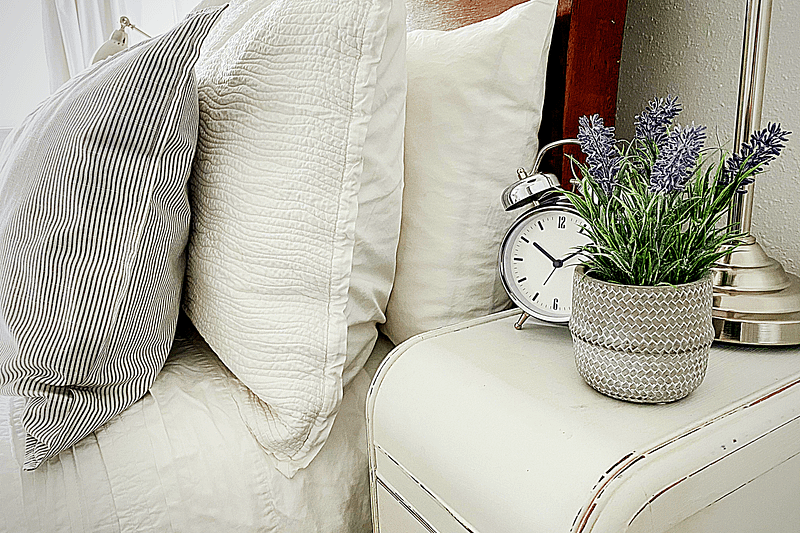
I am a night owl. I regularly oversleep no matter how much I want to get up. Before going to bed I would regularly set three alarms in hopes that one would wake me up.
I regularly was disappointed when I found myself not waking up till 10 A.M. even if I had planned to wake up at 7 A.M. Then, when I was working from home and did not have to be at work at a specific time, I decided to do an experiment that proved to be fruitful.
How to Wake Up Without an Alarm Clock
I stopped using an alarm clock. With no alarm clock, I needed to pay attention to my sleep time and my body. There are some nights that I will wake up in the middle of the night and some nights that I wouldn’t.
I realized that my sleep cycles were around 2.5 hours long. Meaning that if I woke up at 3:00 a.m. and decided to go back to sleep, I likely wouldn’t wake up again until around 5:30 a.m.
Using this knowledge, if I woke up naturally during the night, I would decide if it was okay that I sleep for another 2.5 hours. If I didn’t need to be awake before then, I would go back to sleep. If I did need to be awake, I would stay awake, even if I didn’t need to wake up for another hour.
If I didn’t wake up during the middle of the night, I would generally wake up between 7 and 8 the next morning. In this case, I would force myself to actually get up even if it wasn’t my planned wake-up time.
I never allowed myself to take 5 more minutes because I realized that it would lead to oversleeping and likely make me feel worse.
Sleep Cycles
We naturally have different sleep cycles. There are two main types of sleep non-REM and REM (Rapid Eye Movement). We cycle through the four stages of non-REM sleep from just falling asleep to deep sleep and then entire REM sleep where we dream.
We cycle through these different stages and can easily wake up in the lighter stages of sleep. This will be when we naturally wake up through the night or in the morning. Waking up in a lighter stage of sleep interrupts your sleep less than waking up in a deeper stage of sleep. Therefore, your body and mind will generally be more awake if you allow your body to wake up naturally instead of using an alarm clock.
Although, now they have sleep cycle alarm clocks, which use sensors to sense when you are in your lighter stages of sleep. It will then wake you up with sounds in this light stage around the time that you set your alarm clock.
Benefits of Removing Your Alarm Clock
When I stopped using an alarm clock, I stopped oversleeping and felt more awake and well-rested. This is because to wake up on time, I focused on going to sleep at the right time and listening to my body. There were not any alarm clocks to interrupt my sleep cycle.
Therefore, my body naturally woke up at the right point of my sleep cycle instead of being interrupted during deep sleep. This allows you to feel more rested.
How to Try Sleeping Without an Alarm Clock
Start with a time that you do not need to wake up early, either a weekend day or a day you don’t have to start work at a certain time.
Don’t set an alarm clock for the next morning, but plan to wake up at your normal time that you would for work. Then make sure you are going to sleep at least 8 hours before your wake-up time.
If you wake up during the night, notice the time between wake-ups. This is likely your cycling time. Then, when it is getting close to your planned wake-up time, make sure that you don’t allow yourself to go back to sleep if you need to wake up at that time.
If you cannot manage to wake up on time without an alarm clock, consider using a sleep cycle alarm clock to feel more refreshed.
However, changing to a consistent sleep schedule, ensuring you have enough time to sleep adequately, and listening to your body can be instrumental in waking up on time and feeling refreshed!

You just read another post from In Fitness And In Health: a health and fitness community dedicated to sharing knowledge, lessons, and suggestions to living happier, healthier lives.
If you’d like to join our newsletter and receive more stories like this one, tap here.


