
Stop Telling Me to Plant a Pandemic Victory Garden
Back off, horticulture bullies. I have a better idea.
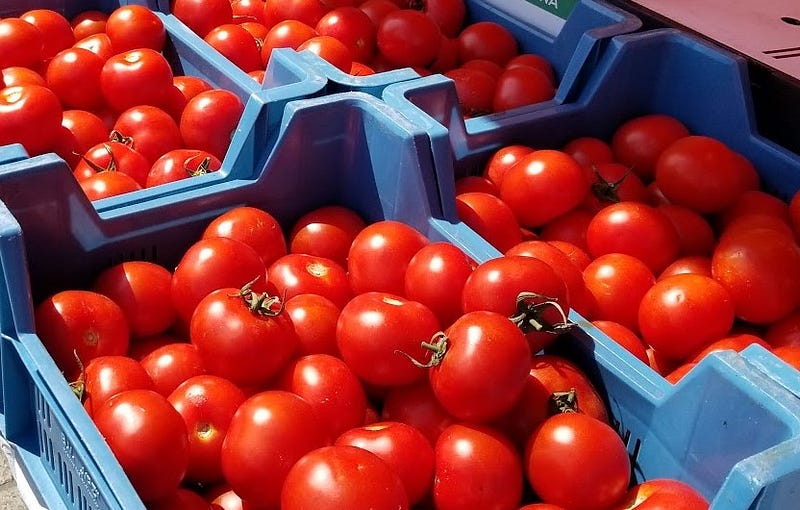
Planting a garden this year seems like one of those things we can all get behind. Whatever our political views, we can all find good reasons to grow our own food. Those of us who are survivalists can stockpile potatoes and onions to prepare to hunker down. The foodies among us can plant artisanal lettuces and organic baby bok choy. Everyone can feel like they’re doing the right thing.
The media is encouraging us to plant these gardens, too. NPR, People, and CBS News all ran stories on pandemic victory gardens in the last month, and the Sierra Club published a tutorial on getting your garden off the ground.
I’m not buying it. And I like to garden. My friend and I shared a plot in a community garden every growing season for five years. We had a corner where perennials sage and chives would sprout, and we started rows of seeds and seedlings in the rest of the space. As soon as the ground was warm enough to work, we planted peas, lettuce, and radishes. In the heat of the summer, we would tend our tomatoes, cucumbers, and zucchini. And as the days grew short in late fall we would bring home the last of the pumpkins and squash.
It was lovely. We would water and weed together in the evenings as the sun went down, listening to the music from an outdoor concert venue nearby. We got to know our garden “neighbors” — the former farmer from Ireland who always knew exactly when to start his cabbage, the man coaxing artichokes out of the Massachusetts soil, and the young Turkish woman who was just learning English.
When I left Massachusetts for Pennsylvania, I thought I’d start a new garden at my new home. But then I remembered the dark side of gardening.
A garden is a lot of work
For a good part of the growing season, a garden needs attention almost every day. Just-planted seeds and seedlings need water or they’ll wither. Back when we had our community garden, my friend and I would be out there every sunny day with our hoses and watering cans. During dry spells, established plants need long watering sessions so the water can reach down to their roots.
And lots of plants need support. We would put in fencing for our peas so their tendrils had something to grab onto. We would set cages around our tomato plants and tie the branches to the cage as they grew. One year we even strung an old volleyball net across the plot for the melon vines to climb.
Every time we left the garden, no matter how long we were there, there were more edges to trim, stalks to stake, or herbs to harvest.
Plus, it’s feast or famine with a garden. We would try to stagger our plantings, so, say, all the tomatoes didn’t ripen at the same time. But they outsmarted us. We would take home bags of tomatoes to slice and eat. We would make salsa, gazpacho, and sauce. We would give them to friends. We would make pickles from the deluge of cucumbers. We would shred and freeze zucchini for zucchini bread. We would pull out all the basil before the first frost and make pesto.
And the weeds — they’re relentless. We didn’t want to spray them with chemicals, so we put grass clippings, newspapers, and black fabric down to smother them. They still grew up, around, and through our barriers and we had to pull them by hand.
It seemed like there was always something else to do. Every time we left the garden, no matter how long we were there, there were more edges to trim, stalks to stake, or herbs to harvest.
Plus, starting a garden from scratch isn’t cheap. Our plot was part of a nice grid in the community garden, so we weren’t starting from zero. If I wanted to put a garden in my yard I’d need to clear out a sunny spot and add some clean fill or compost. I’d need some kind of fencing to protect the garden from deer and rabbits. I’d need cages, trellises, and spikes.
Here’s what I’m doing instead
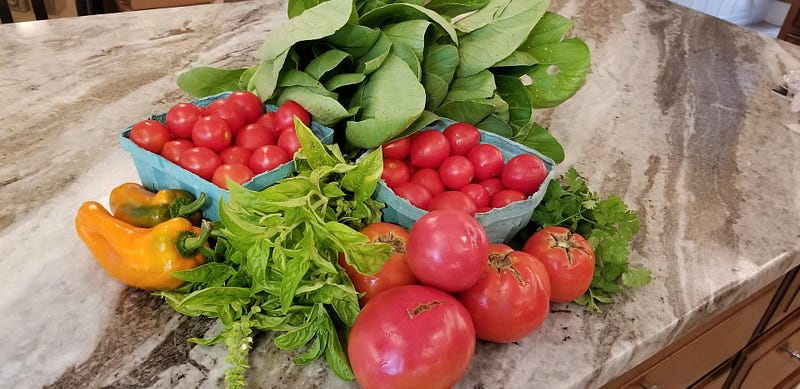
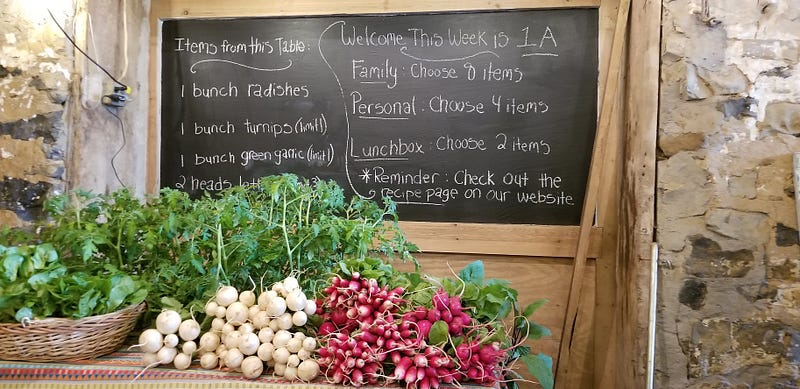
I signed up for a farm share from a farm near me (Willow Haven Farm in New Tripoli, Pennsylvania). Every other week through the growing season they’ll deliver a box of produce to my house.
I’ll get my first delivery next week, and it should include cabbage, lettuce, bok choy, spinach, flowering chives, arugula, pea shoots, kale, and rhubarb. In the heat of the summer, I can expect tomatoes and cherry tomatoes, watermelon, leeks, okra, summer squash, potatoes, sweet corn, spaghetti squash, cucumbers, and hot peppers in my share. And five months from now, when the season winds down, I should get Roma tomatoes, eggplant, radishes, potatoes, sweet peppers, sweet potatoes, okra, Swiss chard, arugula, and carrots.
That’s way more variety than I could manage to cultivate on my own. And it’s different veggies each week — I won’t be swamped with more summer squash than any family could reasonably expect to eat.
My share costs $345 for the season and I’m lucky — my farm lets me spread the payments out over time. This farm share is new to me, but I’ve joined other community-supported agriculture (CSA) shares in the past and they have always been a good value. Even if one crop gets damaged by frost, hail, animals, or insects, something else seems to flourish and make up for it.
Why a farm share is a smart choice
With a share from a nearby farm, I’m supporting the local economy. I’ve been in the supermarkets during this pandemic — I’ve seen the empty shelves and the limits on meat purchases. I don’t know whether the problems with our national food supply will be short-lived or long-lasting.
By purchasing a farm share, I’m investing in a farming family and supporting a local business. With a CSA share, 100% of the money I spend goes straight to the farmer.
I won’t be pulling weeds, so I can make pickles.
It’s a good value. I joined a different CSA last season (a farm that moved to another state, otherwise I would still be a member) and when I did the math I discovered that my share was a lot less expensive than buying the same veggies at the farmer’s market. I expect I’ll find the same value for my money this year.
It saves time. Growing my own vegetables in a garden is a big time commitment. With a farm share, I can focus on cooking and preserving all those veggies.
I won’t be pulling weeds, so I can make pickles. I won’t be researching which bugs are destroying my greens, so I can top my homemade pizza with arugula expertly grown for me by my farmer. I won’t be standing in the sun holding a hose, so I can prep a bunch of zoodles from the zucchini in my share.
Interested in supporting your local farmer? You can find farms offering shares in CSAs just about everywhere. To locate one near you, just search online for “CSA near me.” Then, like me, you can leave the farming to the experts.