avatarAlice

Free AI web copilot to create summaries, insights and extended knowledge, download it at here

1155

Abstract

ng from three to seven days. All in all, this equals 456 periods over a span of<b> </b>38 years, which amounts to roughly 6.25 years or 2,280 days of your life spent bleeding.”</p><p id="f18c">Menstrual cup brand Intimina commissioned a <a href="https://www.intimina.com/blog/new-year-new-you-new-period-study/">survey</a> conducted by OnePoll sampled 2,000 American women ages 18–55 and found out that the average woman spends over $6,000 on menstrual products in her lifetime.</p><p id="02bb">What’s worse is that not all women can afford expensive hygiene products, and some are experiencing period poverty.</p><p id="3653">In 2004, Kenya was<a href="https://www.myperiodisawesome.com/blog/period-tax-around-the-world"> the first country in the world to reduce taxes on period products</a>. In 2011 it started distributing free pads and tampons in schools.</p><p id="28d8">In 2005, Canada followed the example of Kenya and abolished the period tax, the same did some of the US states.</p><p id="cb43">In 2018 feminine hygiene products were expent from taxation in India, Colombia, and Malaysia.</p><p id="e0d5">The UK tax rate went to zero as of Januar

Options

y 1, 2021, and Scotland is currently promoting a free distribution program of sanitary pads and tampons in all schools in the country to fight period poverty.</p><p id="cc06">In Europe, the situation varies from state to state creating inequalities among women of the old continent. The 2006 directive of the Council of the European Union gives each member state the right to choose which percentage the VAT should be applied to goods and services. The reduced rates provided cannot be less than 5%.</p><p id="6f6f">France reduced the tax in 2015, moving from 20% to 5.5%, as did Belgium, which in 2018 lowered it from 21% to 6%. Luxembourg went from 17% to 3% in May 2019. Germany reduced the tax period from 19% to 7% in 2020.</p><p id="9ff0">Spain, Greece, and Austria opted for a tax rate of 10% or slightly higher, while I’m still paying 22% VAT on my sanitary pads in Italy. Lucky me, I don’t live in Hungary, where VAT is 27%!</p><p id="55eb">Would you like to know how much you spend on pads, tampons, or menstrual cups? Check the <a href="https://www.omnicalculator.com/everyday-life/period-products-cost">Omni Calculator</a>.</p></article></body>

Stop Taxing My Period: Menstrual Hygiene Products Aren’t a Luxury

VAT on feminine hygiene products should be abolished
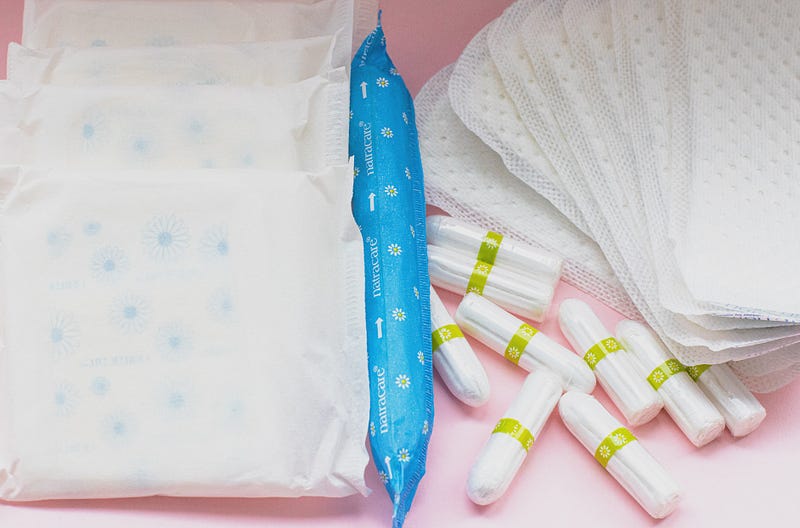
Photo by Natracare on Unsplash

According to Investopedia, “Tampon tax is a term used for the tax imposed on menstrual hygiene products by a government. These products are not subject to a unique or special tax but are classified as luxury items along with other goods that are not exempted.”

How can products a woman must use for most of her life be considered luxury items?

Pandiahealth’s article states, “The average woman menstruates from age 13 until age 51, about once a month, with each period lasting from three to seven days. All in all, this equals 456 periods over a span of 38 years, which amounts to roughly 6.25 years or 2,280 days of your life spent bleeding.”

Menstrual cup brand Intimina commissioned a survey conducted by OnePoll sampled 2,000 American women ages 18–55 and found out that the average woman spends over $6,000 on menstrual products in her lifetime.

What’s worse is that not all women can afford expensive hygiene products, and some are experiencing period poverty.

In 2004, Kenya was the first country in the world to reduce taxes on period products. In 2011 it started distributing free pads and tampons in schools.

In 2005, Canada followed the example of Kenya and abolished the period tax, the same did some of the US states.

In 2018 feminine hygiene products were expent from taxation in India, Colombia, and Malaysia.

The UK tax rate went to zero as of January 1, 2021, and Scotland is currently promoting a free distribution program of sanitary pads and tampons in all schools in the country to fight period poverty.

In Europe, the situation varies from state to state creating inequalities among women of the old continent. The 2006 directive of the Council of the European Union gives each member state the right to choose which percentage the VAT should be applied to goods and services. The reduced rates provided cannot be less than 5%.

France reduced the tax in 2015, moving from 20% to 5.5%, as did Belgium, which in 2018 lowered it from 21% to 6%. Luxembourg went from 17% to 3% in May 2019. Germany reduced the tax period from 19% to 7% in 2020.

Spain, Greece, and Austria opted for a tax rate of 10% or slightly higher, while I’m still paying 22% VAT on my sanitary pads in Italy. Lucky me, I don’t live in Hungary, where VAT is 27%!

Would you like to know how much you spend on pads, tampons, or menstrual cups? Check the Omni Calculator.

Menstruation
Womens Health
Women
Taxes
Healthcare
Recommended from ReadMedium