
Stop Sticking Your Hand into Elevator Doors
The ways you were taught to be helpful aren’t always needed — or smart.
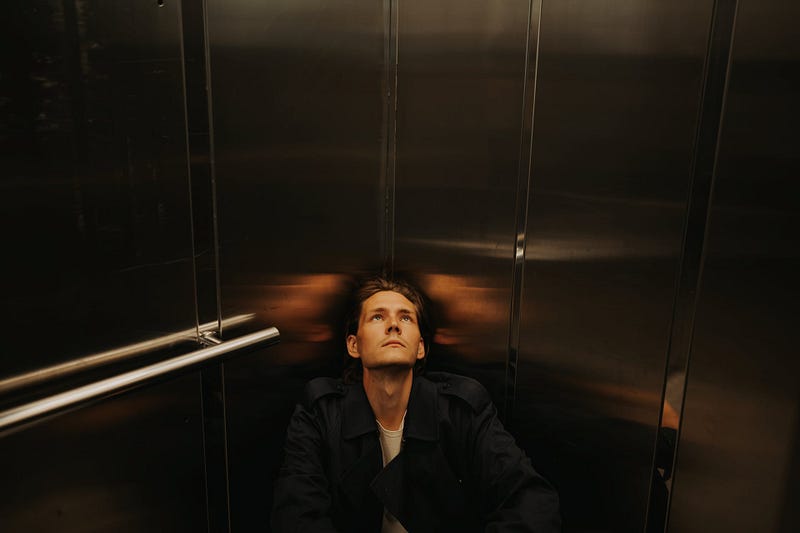
Some things from my childhood I don’t recall, but can only remember being told about it. Like once getting into an emergency because as a toddler I stuck my hand into the gap of the closing elevator door. (I grew up in an apartment on the 11th storey, so elevator rides were a daily thing.) Apparently the fire department and an elevator repairman were needed to free me, and I lost a number of fingernails (but not fingers) in the episode.
I have no memory of this incident, only the shock and wincing I experienced the first time I heard about it. There might have been reproach and nervous laughter when my mother told the story and included details about our neighbors and my father also being present at the time. The embarrassment!
I was an older child when I heard about this. I felt both horror and anger at my younger self for inconveniencing the adults, and causing panic and stress to my parents. There was less sympathy for the toddler because, well, if I remembered none of it, the whole thing must not have been too traumatizing for me. Haha.
Trained as a trauma-aware therapist now, I know better. Even before that training, adult me started to notice the inexplicable anger and wincing in me whenever someone stuck their hand into a closing elevator door to hold it for someone else.
“Use the button!” I would snap. I’d hit OPEN or “<||>” on the elevator panel to make a point. This happened repeatedly with both my parents and my ex. More often than not, they asked me what the big deal was — all elevators had safety sensors, silly rabbit.
I would feel dumb for explaining that door sensors could fail and might not pick up every protuberance, much less always in enough time to arrest its motion.
These heroic Elevator Saviors around me would continue to hold elevators with the hand-in-door method, sometimes rolling their eyes at me or scoffing to dismiss my concern.
Didn’t I realise that I wasn’t an engineer, just a stupid girl who didn’t understand technology?
And with my parents, who so often showed convenient and selective amnesia, I was incensed with the growing understanding that maybe my toddler self had stuck her hand into the elevator door because she was clearly surrounded by adults who kept doing that.
Not just her parents or partner either. This was an urban Asian city with many people who meant well, but seemed weirdly oblivious to how there was an existing button they could use instead of putting their limbs at risk or a setting bad example to impressionable small humans who wouldn’t always know better because they were small humans.
Small humans who learned by modeling the adults around them.
This was clearly something my family hadn’t considered, as evidenced by the stony silence I once earned after snapping from seeing someone put their hand in the elevator door with a child present.
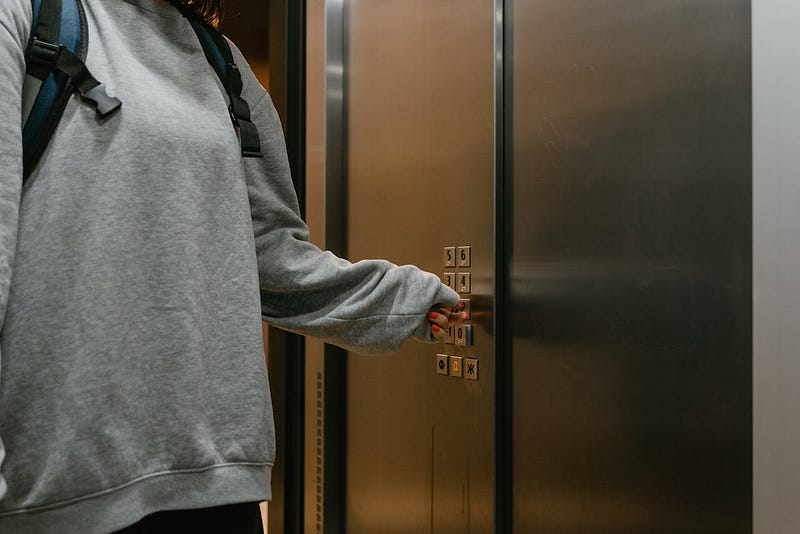
Sure, no hands were caught in the door that day. Until it happened.
I Told You So
There’s a double-edged tragedy that isn’t commonly acknowledged when someone says “I told you so”. Everyone thinks it’s just annoying for the target of the four words. It can be humiliating to be caught in the act of not listening or doing something not smart.
Hear me out.
It’s absolutely crappy being on the other side and being the voice that is unheard and ignored, or else heard but mocked. Around narcissistic and face-saving culture most of my life, that was just my normal. Apologies or admissions of fault were practically mythical, rarer than unicorns.
For these reasons, I kept admonishments to myself the day it finally happened. My ex jumped forward to put his hand (holding his sunglasses) into the closing elevator door at our resort hotel to hold it open for another guest who, as it turned out, wasn’t even taking the elevator.
The elevator door didn’t even slow down. It closed on his hand. His triumphant expression turned into shock and pained shouting as the metal frame of the sunglasses pressed into his palm and didn’t give.
I hit OPEN. I hit the alarm button. I hit the number of the floor we were on. None of these did anything, and in frustration and in the spirit of “so crazy it just might work”, I finally hit the CLOSE button. That made the elevator beep in protest and open its door, releasing my ex’s hand. I don’t know how long this all took; my memory only retained how much swearing there was in that elevator from us both.
Inside myself and alone, I steamed in my rage and validation that people. Should. Stop. Sticking. Their. Hands. Into. Elevator. Doors.
Literally
“Literally or metaphorically?” was the question my now-partner asked when I shared the title of this work in progress.
“Both!”
I’m not saying don’t be helpful. I’m saying the low-stakes inconvenience of another person waiting a bit longer for the next elevator (or taking you as “inconsiderate”) is not worth an accident or near-miss with your appendages. I’m saying no one needs you to put your hand in the elevator door when there is a button designed to (surprise) make the doors open. And maybe the other person can also catch the elevator by hitting the button outside, because sometimes, they can help themselves. Shocking, I know.
Maybe trusting others to do this, or being a bit slower with a button doesn’t appeal because it doesn’t look action movie enough. Jason Bourne or James Bond would totally slam back errant elevator doors to save the world and prevent dire consequences.
So, pretend I’m a dumb girl who doesn’t understand tech and explain to me the dire consequences that will result from you not sticking your hand in the door. Do it like I’m a 2-year-old. Because I’m sure the 2- or 3-year-old me probably concluded, like a rube, that everyone was doing it because it was essential to do it, and to only do it that way.
That child in me is still waiting for an adult to explain this.
Metaphorically
There’s a lot to unpack here, and I’m hoping you’ll indulge me. It took me decades to realise both my narcissistic and rigid parents had anxiety that escalated whenever there were people around to impress— strangers, usually, or peers, coworkers, and other family. Anxiety levels that, true to what we know now about stress and activated sympathetic nervous states, can close off options and make us dumber in our actions, to describe tunnel vision and dysregulation bluntly.
Over my lifetime my parents drilled into me overtly and implicitly that people were looking at us and judging us all the time, so we had to perform. To perform niceness, competence, civic-mindedness, class, and consideration. (Hardly things my parents were consistent with at home, but had to maintain in the public eye.) I understood, loud and clear, that performing niceness was imperative, for my parents and many in Asian culture.
But in my childish innocence, I seemed more inclined to hang back before jumping in to rescue others, especially if I hadn’t been asked or didn’t have the right tools or abilities — or often, when I saw different solutions (like not sticking my hand into elevator doors) from what everyone else was doing.
This trait seemed to make me unpopular in conformist Asian culture; I often felt like I was an inconsiderate, badly taught freak.
This was despite the fact (since my elevator accident in toddlerhood anyway) I hadn’t gotten myself or others into any accidents — in traffic or elevators— trying to “be nice”.
This is more than I can say about my exes—like another ex who got us, and my family, into a car collision because an ambulance siren inspired him to change lanes at a jam-packed intersection (an unnecessary and unexpected move, if not illegal) to “be nice”. Instead, another car collided with us and the ambulance got more delayed from its intended destination for checking on our crash.
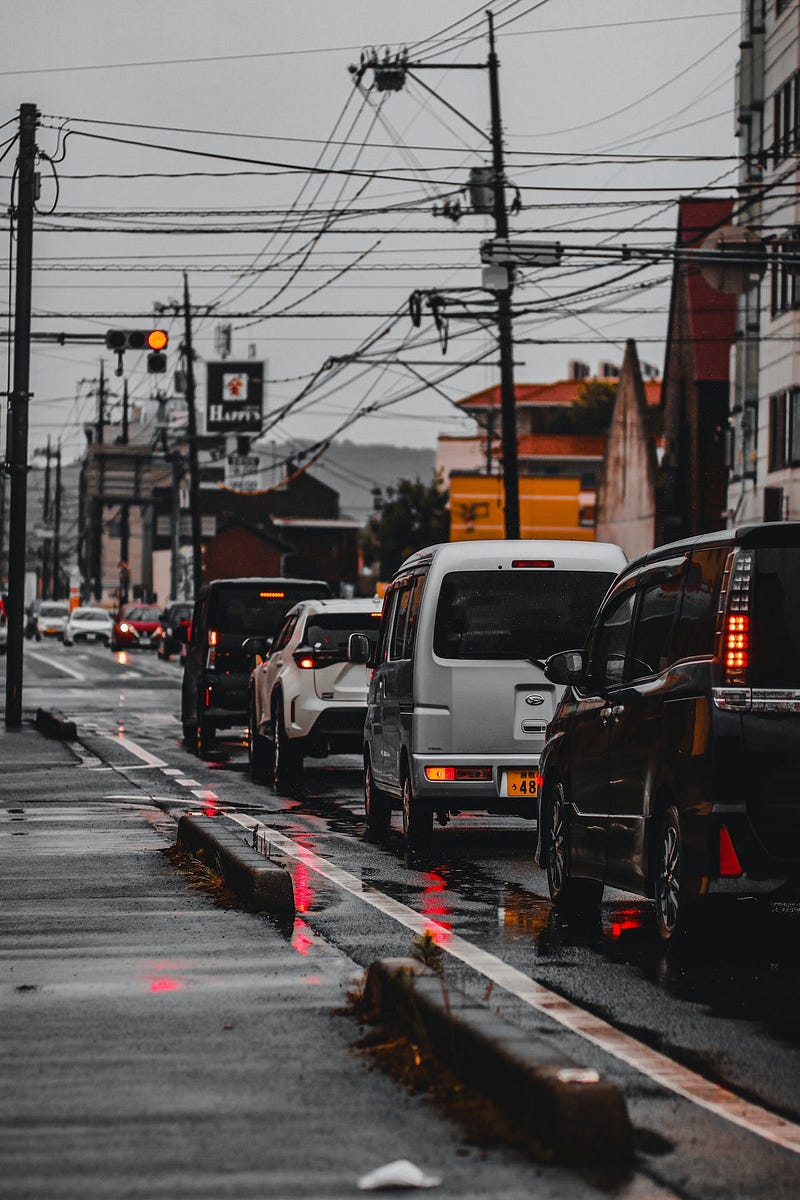
No one was physically hurt, but the vehicular damage and post-accident Acute Stress Disorder weren’t fun either.
If most of us know that a weak swimmer shouldn’t try to save a drowning person by jumping into the water themselves, maybe some of us could benefit from questioning our instincts to be nice or heroic.
Good intentions aren’t any guarantee for good outcomes.
Some people untrained to deal with specific crises can be prone to counterproductive actions that may be socially approved or appear clever in anxiety, but stupid in real application.
You don’t have to listen to just me:
“Survival training isn’t only about training people what to do — it’s also about training them to inhibit certain actions that they would routinely do,” says John Leach, survival psychologist at the University of Portsmouth. He estimates that in a crisis, 80 to 90 percent of people respond inappropriately. (Source)
Two Conclusions
1. Elevator Accident Statistics
Elevator doors closing on body parts are the most common type of elevator accidents. And despite me not being an engineer, I was right in that elevator sensors can go awry.
2. Ego, denial, and automatic responses have no place in helping
I know better than to jump into the thick of a crisis when there are people better trained, equipped, and positioned to handle something that isn’t in my lane. But I also know now that not every one of us has a brain wired to know or to make the best decisions under stress — or even just how to hold the elevator for someone else safely.
We can benefit from knowing the limits of our abilities as well as our automatic responses — and when we may need to override them for our survival and well-being.
If nothing else, just remember that stressful or crisis situations can narrow our options and make us stupid. So maybe keep calm and worry less about appearing heroic or nice.
And stop sticking your hand into elevator doors.


