Stop Spoiling Classic Films for the Next Generation
Why spoiler awareness is important — even in older films, books, plays, and TV dramas.
Writing an article like this is to whisper in a hurricane and hope to be heard. After all, how can little old me attempt to reason with the millions of thoughtless memes, GIFs, Twitbooks, and those infernal Tik Tok things, not to mention the deluge of inconsiderate blogs and articles (sometimes in mainstream media) that bludgeon readers and viewers with ruinous plot spoilers? Nonetheless, in view of this recent article by the excellent Gaby Rogut, I feel a stand must be taken. I have my own spoiler horror stories — I had unexpected plot turns in Goodfellas and Star Trek VI: The Undiscovered Country ruined for me — but these pale in the light of her experience. It is a cautionary tale and one I urge you to read to feel her cineaste anguish.
Is it ever OK to spoil a book, play, TV series, or film? This hoary old question crops up on a regular basis, whenever an Avengers Endgame or final series of Game of Thrones type situation comes into play. Many disregard the debate, not caring for their fellow viewer or reader, but for me, the eleventh commandment is: Thou Shalt Not Spoil. If I was to be captured and tortured to reveal confidential information, I reckon I’d grin and bear a fair bit of physical pain. But threaten to spoil a great film, novel, play, or TV series I hadn’t seen or read? I’d be singing like a canary.
Firstly and most obviously, people who deliberately troll those who want to remain unspoiled are, as far as I’m concerned, utterly reprehensible. Malicious spoiling — whether online or in-person — is essentially a form of bullying, and I despise bullies with a passion. What I find particularly disgusting are people who do this that haven’t even seen or read the material themselves, but simply discovered spoilers for the purpose of angering those that passionately care about remaining unspoiled. I’ve read plenty of idiotic statements from these nitwits, saying things to the effect of: “No-one cares. People take this way too seriously.” Or: “It’s just a film, it’s no big deal if it’s spoiled.” Perhaps it isn’t a big deal to them, but it is to others. It astonishes me that these cretins have no concept of consideration or self-awareness. They are as bad as those orc-ish individuals who use mobile phones in cinemas.
Other people spoil things without being malicious, but do so accidentally. This is slightly more forgivable, but I do wish such people would learn to think before speaking (or posting) or to simply preface what they are saying or writing with an appropriate spoiler warning. I try to do this whenever I know I am going to discuss a plot in detail, or reveal the ending. I recently read an enthusiastic review for one of my novels (I won’t say which one) that without issuing appropriate warnings, spoiled a significant part of the plot. Needless to say, I felt rather enraged. I am probably one of the most spoiler-phobic people on the face of the earth, but again I do wish people would show proper consideration.
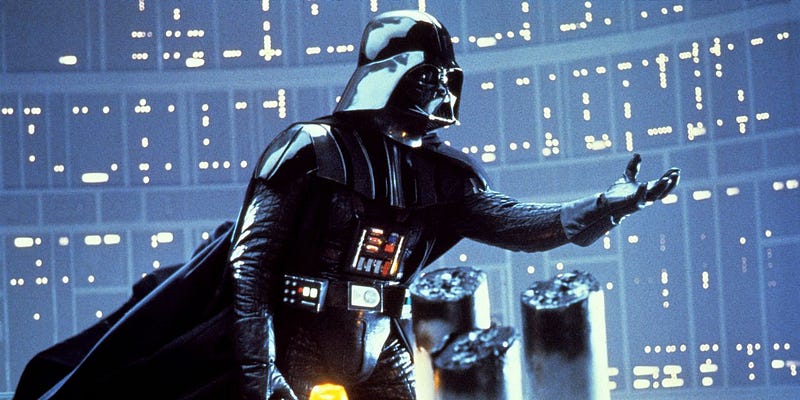
To throw in a clarification, I am not necessarily against providing an explanation of the premise or initial plot set-up, but a reviewer or writer can exercise common sense in that regard. Saying The Empire Strikes Back begins on the ice planet Hoth, with the Empire hunting for the Rebels, isn’t really a plot spoiler, whereas revealing the famous twist ending would be. Nonetheless, some films really are best served with no prior plot knowledge, which is why my review for Parasite contained no plot information whatsoever.
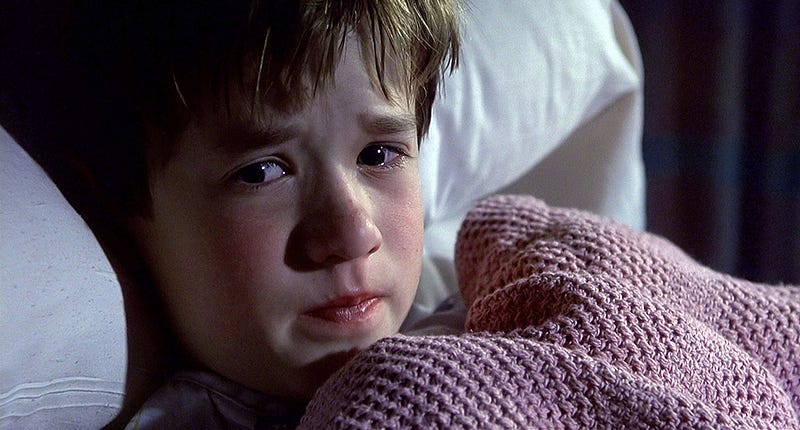
There seems to be a consensus of opinion that spoilers are more socially acceptable once a certain amount of time has elapsed — when a film has completed its run in cinemas, for example. However, there will still be people who haven’t seen it so caution should always be exercised. In fact, when it comes to classic films, books, and so on, new generations are discovering them all the time. I think such people deserve the chance to come to these stories cold, without them being spoiled. With my own children, I did everything I could to preserve the big surprises and twists of major works, and for the most part, succeeded (despite the odd malicious playground imbecile wanting to ruin things to get attention). I was even successful with films where the huge twists are utterly embedded in the popular consciousness (such as The Empire Strikes Back, The Sixth Sense, or Planet of the Apes).
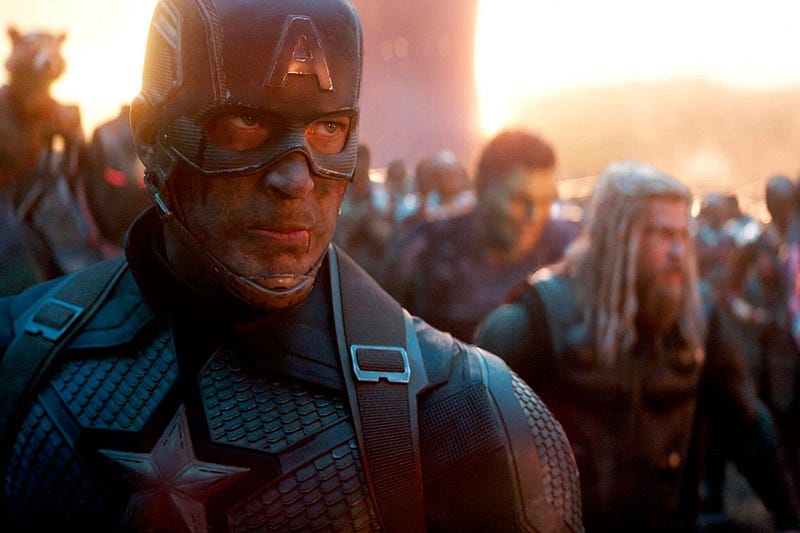
Personally, I’ve taken to internet and social media blackouts when something is due for release that I really want to remain unspoiled on. Consequently, I massively enjoyed the likes of recent Star Wars or Avengers films knowing nothing whatsoever about their plots beforehand (I didn’t even watch the trailers). In the end, one must take responsibility for oneself to avoid the online spoiler minefield, and if that means an internet fast, so be it.
In conclusion, it seems we are doomed to walk with idiots who take pleasure in ruining things for others, but God help anyone who crosses my path that ruins any of my stories for someone else. If I ever heard someone maliciously spoil the twist ending of, say, The Birds Began to Sing for another reader, things would get very Old Testament very quickly. On that note, I shall end with the sign-off traditional for these kinds of articles: Rant over.
This is a revised version of an article originally published at Simon Dillon Books. For more information about Simon Dillon on Medium, click here.