Stop Saying Home Cinema Systems Are As Good As Real Cinemas
Here’s why your home set-up can’t beat the real thing.
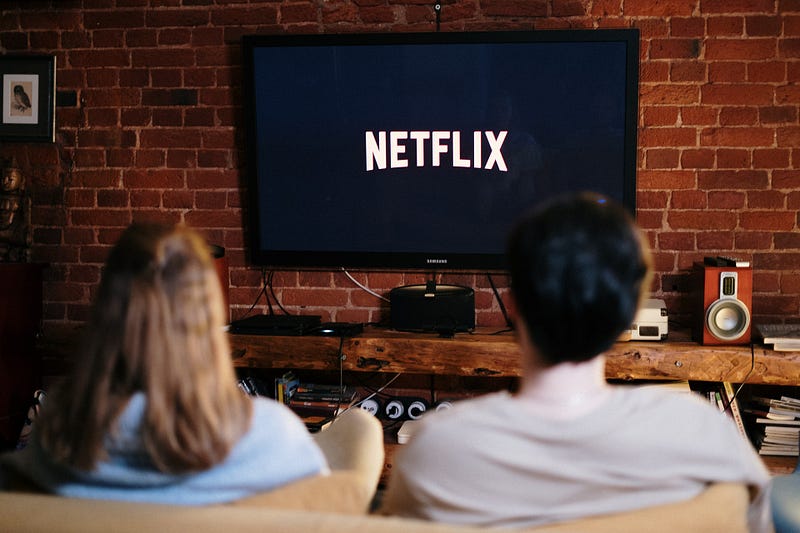
Amid the ongoing debate around cinema versus streaming, I often read comments to the effect that old-school fuddy-duddy cineastes like me should accept that cinemas are a dinosaur because home cinema systems are just as good. These dismissive comments irritate me, as they fail to take into consideration multiple complicating factors.
For a start, whilst most people can afford a movie ticket, many cannot afford state of the art screens and sound systems. Even if they can, they might not have the space or acoustic requirements to install them. Then there are many other potential problems: noise nuisance to neighbours, for instance. Not everyone lives in a fully detached home with sufficient proximity to other residences to ensure they won’t be bombarded with IMAX Atmos style sonic waves. Of course, I doubt anyone has a home cinema set-up the size of an IMAX screen, which again underlines why claims that the home cinema experience is just as good are misguided.
I do accept cinemas have had a rough twelve months. Covid related closures have massively dented box office takings, and even when cinemas reopened, audiences have so far been reluctant to return. As a result many high-profile features made their debut on streaming services. Disney’s Soul and Mulan are two controversial cases in point. Warner Brothers were also criticised for their plans for simultaneous streaming and (where possible) cinema release for the next year, following the inevitable underperforming of Tenet. My hope is that such measures do prove temporary, as the studios claim. Like Christopher Nolan, I subscribe to the view that cinema should be the primary distribution for film. His passion for theatrical experience runs deeply, and I share that passion.
The first films I saw at the cinema, aged seven, were Snow White and the Seven Dwarfs and E.T. The Extra Terrestrial. I cannot overstate the impact those films had on me. They were akin to a religious experience, a Damascus Road moment of deep spiritual connection. Snow White taught me the moving image was a world of magic and wonder, but E.T. made me feel seen. I felt as though Steven Spielberg had given me, a lonely child traumatised by my parent’s recent emergence from an oppressive cult, an alien friend who understood what I had been through. The experience of seeing that film in the cinema changed me forever.
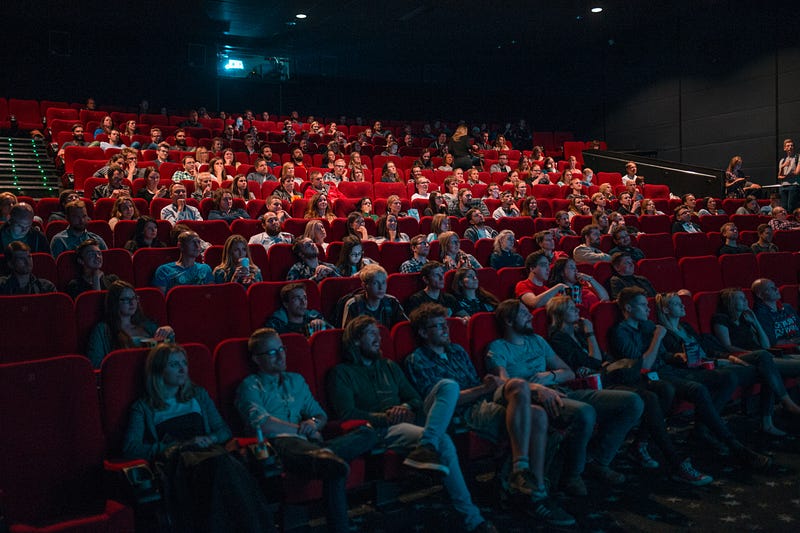
No matter how good your screen and surround system, introducing a child to great films at home isn’t going to generate a similar formative experience. Going to the cinema engenders a sense of occasion, and is psychologically different. Whether going alone (a much-underrated pleasure) or with family or friends, there is always a sense of excitement and expectation. Having to physically leave the home means an escape. Upon arrival, there is a thrilling sense of ritual in perusing publicity material, purchasing popcorn, and filing into the auditorium. As the lights go down, immersion in this darkened space means you cannot be interrupted by unexpected visitors or phone calls (unless you are unfortunate enough to sit near inconsiderate patrons who won’t extinguish their devices; an increasingly rare occurrence in my experience, as like smoking it becomes more socially unacceptable, but that’s another discussion).
There’s also something to be said for trailers and commercials, even if they are occasionally irritating. They provide a way to settle into the experience, building anticipation. Of course, I yearn for the days when features had more diverse supporting programmes, whether newsreels, cartoons, B-pictures, or (as I occasionally experienced growing up the 80s) music videos. I have tried to replicate the experience in my sitting room by awkwardly changing reels — I mean DVD extras — but the effect simply isn’t the same. At home, you just want to get on with the main feature.
Naysayers predict cinema is doomed, some of them with alarming quantities of smug glee. But cinema will bounce back after the pandemic. It will outlive the threat of streaming in the same way it outlived the threats of television, VHS, DVD, and so on. Those who prefer to stay at home with their home cinema systems will do so anyway, regardless of whether there is a popular plague currently on world tour. Cinema is too good to lose. It would be like closing the Sistine Chapel, and only selling postcards of the images inside. Despite being trendy to say cinemas are so-last-century, I think they’ll survive well into the twenty-first, and perhaps even beyond. Who owns the chains and the size of release windows may change, but I find it impossible to believe anyone really wants to live in a world without cinemas.


