
Stop Complicating Weight Loss
The number of calories that we eat literally controls our weight. Burning fat is easier than you think…

Most of us would probably like to lose a few inches around our stomachs.
But it's hard, right? You have to go on some diet, and you don't get to enjoy food anymore. Right?
Wrong.
You can eat the same things as you do now — but slightly less and lose weight.
The total number of calories we consume dictates how much fat we have.
Yes, some calories are healthier than others. But being healthy isn't the same as losing weight. It's beneficial, but that's another conversation. Our health doesn't control our weight.
All the diet fads out there that bombard us via the media complicate the weight loss process. But, losing weight is a simple process and here’s why.
How Weight Loss Works
If we consume fewer calories than it takes to maintain our body weight, we lose weight. But, conversely, if we consume more, we gain weight.
The more calories we consume, the more activity is required to burn off any excess energy. If we consume more energy than we need, our body stores it as body fat for later use. Body fat is then used as energy if we're not consuming enough energy through calories. It's that simple.
The laws of thermodynamics govern energy transfer. Energy does not disappear but instead transforms from one form to another.
This rule also applies to food because eating adds potential energy to our bodies. We have an 'energy budget’ that is governed by our energy intake and activity level.
We measure the energy of a particular food by burning it in a calorimeter, calculating the heat combustion of waste products excreted. These are calories.
Calories are simply the way we measure the energy content in food. The macronutrients fat, carbohydrates, protein, and alcohol all contain calories. Yes, alcohol has energy content.
“As we all know, we as human beings metabolize our food, meaning we convert the energy from the food into energy we can use.” — Natalie Stam
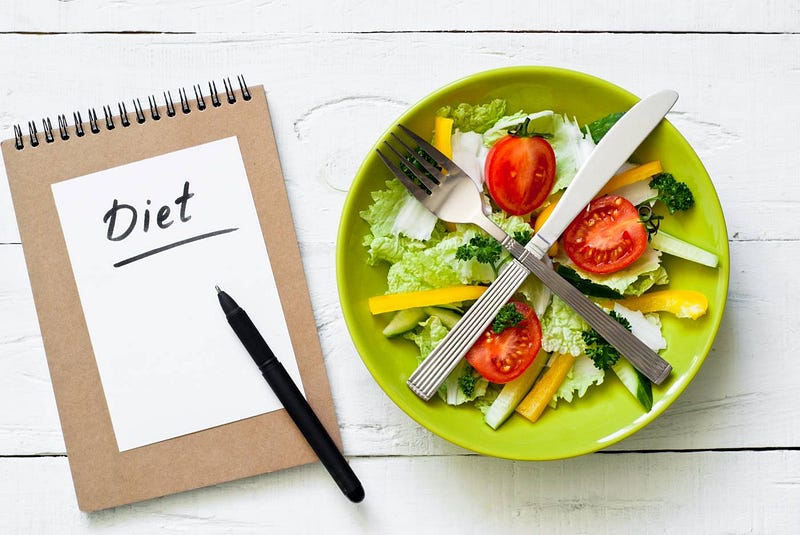
Diets complicate the basic principles of weight loss
“My friend lost X amount of weight on Keto. Keto must work.”
No, they didn't lose weight because Keto is magic — they lost weight because they were in a calorie deficit.
Plus, you need to be on less than 50 grams of carbs a day to be in an actual ketogenic state. That's roughly the same amount of carbs as two bananas. That's not much! So chances are, they weren't even in a ketogenic state. But they were in a calorie deficit!
The same goes for other diets, such as the paleo (caveman) diet or intermittent fasting.
Diets restrict what we're 'allowed' to eat. Often this means foods we enjoy. So this creates a negative mindset around weight loss — people think it means they cannot eat food they love.
It doesn't! It just means making smarter choices with what we eat. But it doesn't mean we cannot indulge once in a while.
Some people literally believe that it's not about how much you eat, but what you eat. It doesn't matter if 3000 calories are from oranges and salad or bread and pizza. The body is still going to treat it like 3000 calories.
Health is a different conversation from weight loss. Yes, there's overlap, and we should healthily lose weight, but it's not the deciding factor of how much body fat we carry around.
How do we know how much to eat?
Each person's maintenance level of calories depends on genetics, activity, and current body weight.
It could be 1500 calories, or it could be 3500 calories.
With modern technology, it is much easier to count calories. Calorie calculators, for example, give an estimate of your maintenance level of calories. Also, apps such as MyFitnessPal are a huge help with their database of foods and their calories.
Users input the food they eat, calculating the number of calories consumed over the day. The apps use an algorithm based on your current weight and activity level to determine your maintenance level of calories and how many calories to consume to lose weight.
To be precise, write down everything you eat or drink over a few days — everything from sauces to drinks like coffee and juice or beer.
Then, count the total calories and find your average daily calorie intake. That's maintenance.
By reducing calories, we lose weight. Aim for a reduction of 250 to 500 calories a day.
Educate yourself about food and nutrition
The more we understand foods and their nutrition, the more we subconsciously tend to make better choices.
Learn. Read the labels of different food items in the supermarket before you purchase. Start with asking Google how many calories are in a particular food.
Look at the protein, fat and carbohydrate content. Then, compare and contrast with alternatives.
Have conversations with people in shape at the gym or office about food. Maybe there's a store in town that stocks low-calorie items or they might have other beneficial information about how to stay on track.
By using a low-calorie sauce, you could make a meal of 450 calories instead of 550. Then, you consume fewer calories over time.
If you took 100 calories off every meal during your day, that's 4–600 fewer calories you consume.
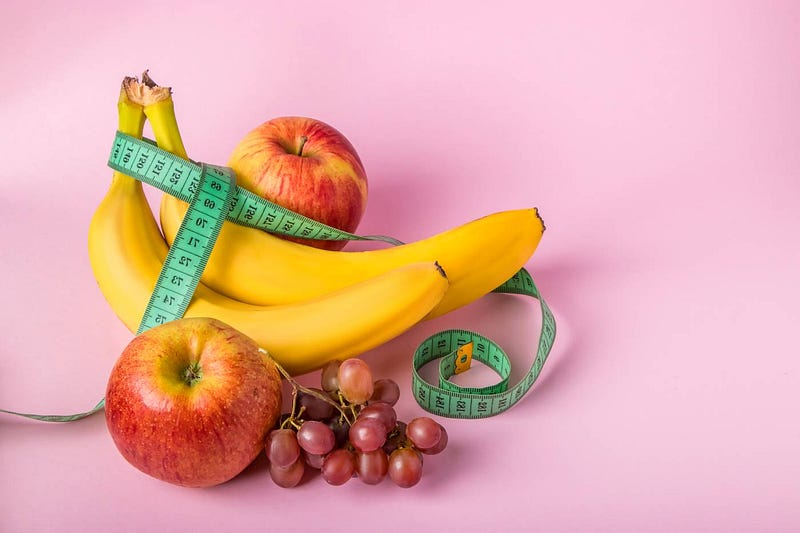
A healthy lifestyle means you don't have to diet
This statement above probably seems contradictory, as I just said that eating healthy doesn't necessarily mean losing weight. But a lifestyle is sustainable.
Dieting is a short-term solution, so sets people up to fail.
“I need to lose 20 pounds, to fit into a dress for my sister’s wedding.”
Short-term goals help us achieve something. But often, once we reach that diet goal, people revert to old habits. These old habits are the reasons we're overweight in the first place.
Diets also restrict what we can eat. Depending on the diet, it demonises different foods.
Diets prescribe what we shouldn't be eating right now to lose weight. But it doesn't mean we cannot eat those things ever again. However, many people believe this. That food is "BAD!"
Because of this, people think they cannot eat the things they enjoy and that losing weight is too hard.
Losing weight is not hard.
Think of a diet as a vague set of recommendations rather than set rules. I say vague because you can easily replace one food with another one.
If you swap rice out of a meal for pasta or potato or eat a banana instead of an orange, it does not matter, as long as it still fits in your total caloric allowance for the day.
Final Thoughts
Does weight loss still seem complicated?
Hopefully, I have understandably explained weight loss. You can have your cake and eat it too!
Educate yourself about food, so you make better choices. But there's no rule that you cannot eat a particular food. The only law of weight loss is the volume of calories we consume.
We're allowed to enjoy the foods we love in moderation.
A sustainable lifestyle means we don't have to do anything drastic to obtain that figure we desire.
Managing our weight should not be challenging, but all these wacky diets make us believe it is.
Thanks for reading.
For context — I have been passionate about fitness and health for several years. I have researched nutrition and training methodology for over ten years as a hobby to educate myself to improve my own results.
Read the article below for a bit about my journey.
I’m passionate about health & fitness, and I enjoy sharing my knowledge and experience with others to help them make positive changes in their life. Subscribe for more content like this!


