
Stop Ignoring Soft Skills. It May Cost You.
A life lesson. 3 soft skills that can change your life

I used to believe that soft-skills were not important.
Oh, boy, I was wrong.
When I was completing my bachelor’s degree in Computer Science, I started to prioritize technical skills over soft skills. During the early parts of my journey, I began to focus on learning programming languages and technologies, thus, ignoring soft skills. However, I learned that soft skills are valuable, as well.
During this time, I learned that soft-skills are essential to be successful as a student. Not only that, but later on, I learned that they are vital to a successful career as well.
As I was participating in student organizations, group projects, and hackathons, I witnessed the value of soft skills. Then I saw the same patterns when I graduated and entered the workforce.
Today, I will share three soft skills and how these helped me to be happier and achieve success as a student and as a professional. This way, you can take away and use these lessons in your life.
Communicating Clearly Is Essential
Communicating clearly with team members on class projects at college helped the team and me greatly. First, when everyone was on the same page and knew what they had to do, we saved a lot of time and increased the chances of receiving a good grade.
However, when the communication wasn’t clear, the adverse effects were noticeable. Parts of a group project did not get done entirely. Also, some people did more work than others, which lead to a conflict between team members. Consequently, we wasted time and received a lower grade if we communicated clearly from the beginning.
Then, as a professional, communication was equally as valuable. When working with others on a project, communicating clearly helped set realistic expectations and deadlines as well as everyone knew what their role was in the project.
Thus, people knew what their responsibilities were and which were not. As a result, the project was completed, and customers were happy.
My biggest lesson when developing my communication skills is that I overlooked that people understood what I said. Instead of taking my time to make sure that the person understood, I would assume he/she comprehended what I said.
“To effectively communicate, we must realize that we are all different in the way we perceive the world and use this understanding as a guide to our communication with others.”
- Tony Robbins
Not taking time to make sure the message is clear may often lead to delays when working with others in projects. When with just a few minutes of making sure the message was delivered properly, the project would be completed successfully.
So, here are some things I did to improve, and you can do as well:
1. Don’t assume the person understood.
It’s a big mistake to assume the person understood what you tried to say. Remember, that person has their filter as they see things, so they may not have understood where you are coming from.
Like the Tony Robbins quote says, we are all different in the way we perceive the world. So, don’t assume.
2. Ask the person at the end of your explanation. Any questions?
This might seem trivial, but asking the person if he/she understood might save you time.
Going back to not assuming the person understood. Asking if he/she has any questions, will open up the conversation. Thus, you can find ways were specifically the person did not comprehend in your message.
It can clear any blocks in the communication process.
Note: Only ask once, this might get annoying if you repeatedly ask. From experience, I am just throwing out some humor here :).
Manage Time Like Money

As a student, time management was a vital piece of my performance. When I managed my time effectively, I would get better grades and complete all my assignments.
Moreover, I would have assignments completed ahead of time, and I made the most out of the time I had. Alongside my academic duties, I was also involved in extracurricular activities, so managing my time was essential to juggle all my commitments and graduate.
On the other hand, when I did not manage my time effectively, I noticed a decline in my academic performance. Thus, I would stress out about how I could have done better if I managed my time.
So here are things I did that you worked and you can try:
1. Be protective of your time
Your time is your most valuable asset. Once you invest it, you can’t get it back. So, don’t spend it on things that don’t help you grow in any way.
You can view manage time like money to help you protect your time. Set time slots to do things (budgets) and keep track of where you invest your time.
Would you throw your money away?
2. Use tools to help you manage your time
A great tool you can use to manage your time is the Pomodoro technique by Francesco Cirillo. It helped me focus and get more things done as a student and as a professional. You can use it to set time slots to do any task during the day.
3. Make time to work on your time management skills
Not only make time to work on your time management skills but all the soft skills that you are working on developing. That is, treat soft skills like technical skills. You can search for online courses, read books that help you improve your time management skills and other soft skills.
Set time in your schedule every week to work on your soft skills, place it on your calendar, and set reminders on your phone, so you don’t forget. By working consistently on developing soft skills, you will see improvements as time goes by.
Teamwork
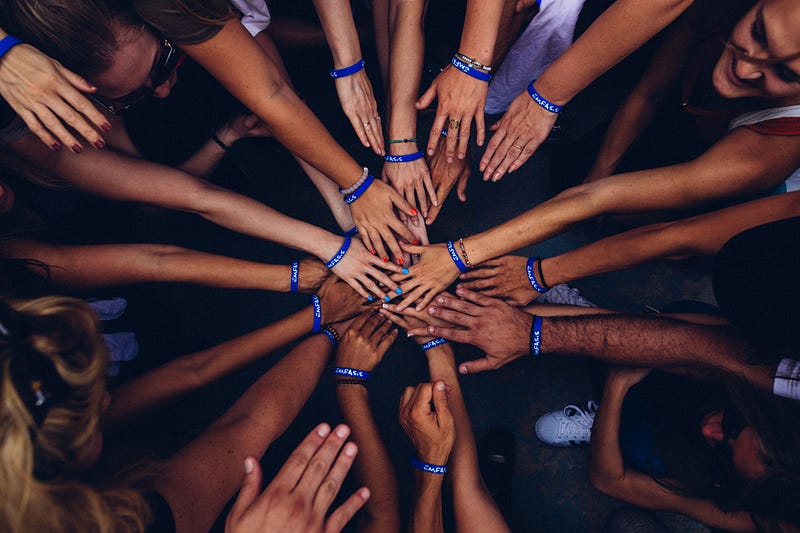
Through my experience developing my communication skills, I also learned to appreciate teamwork as a soft skill. Teamwork was vital when I was in a student organization as an undergrad. We worked in planning activities for the members, alongside being involved in activities with other student organizations.
So, for these activities to be successful, we had to work as a team.
“Talent wins games, but teamwork and intelligence win championships.” — Michael Jordan
Everyone had a defined role and knew what to do to make the activity a success. Nonetheless, communication played an essential part as well, so, during this time, I learned that communication was vital to work as a team effectively.
Because without clear communication, the team members would not know what they needed to do for the benefit of the organization.
Without proper teamwork, I believe that the organization’s activities were going to be a success, also managing memberships and other tasks related to the organization.
Thanks to the effective teamwork we displayed, the organization was an active participant in the university’s activities. Thus, the members were happy, and the campus benefited from the great work we did as a team.
Another huge lesson during the time in the organization was that to execute proper teamwork, everyone had to buy into the vision. That is, when the idea of activity was presented, everyone had to understand the plan. Also, how it was going to make a positive impact on the university and the members.
If all the team members were not in on the vision, the execution process of the plan would not go as smooth as it could have gone.
Here are some ways I found to develop effective teamwork:
Take in account team member ideas and perspectives
For others to buy into the vision for the organization, people need to feel they are part of the vision. To do this, take into account the team member’s ideas that help the project.
By listening to their ideas, people might feel invested in the vision and give their best. Think about it, do you want to give your best on a group project when you feel ignored?
Takeaways
Through time, I have learned that ignoring soft skills and focusing on technical skills only can be a big mistake to grow as a professional. Thus, taking the time to develop them is essential for success.
Treating soft skills like technical skills and setting the time to develop them can help you reach great results through time.
Communicating clearly, managing time efficiently, and working in teams can help yourself and others achieve success. And as the projects you work on are successful, you may feel happier as a by-product.
Also, during the process of developing soft skills, I learned that these skills helped me to become a better person.
After all, communicating, using time the best way possible, and working with others is part of being human. In my experience, it’s harder to achieve anything in life without the help of others.
If you liked this article, I think you might be interested in these articles as well:
Disclaimer: Results may vary. These tips and advice are based on my experience and opinion as a former undergraduate Computer Science student, tutor, teacher, and software developer. All opinions are my own. Everyone is different, so, the advice shared in this article may or may not work for you.


