
Stop Gatekeeping Your Favourite Song
It’s not doing you any favours
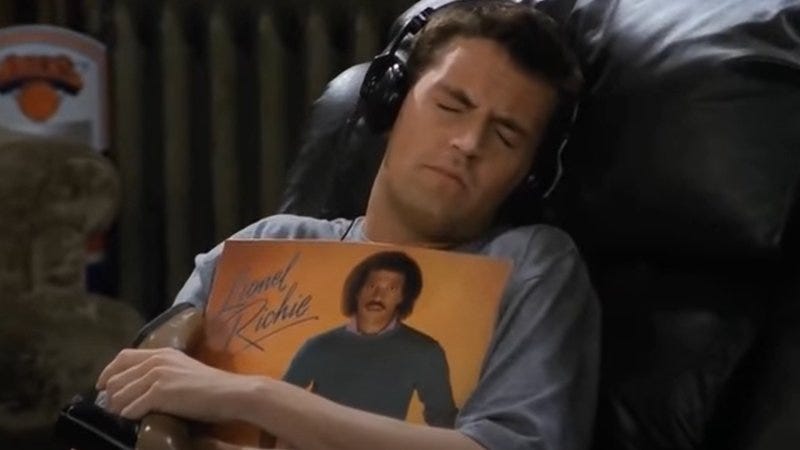
Yesterday I was in the car with a friend, and he put on a song I had previously showed him. I was explaining how I came across the song when he quickly interjected, “actually, I’d heard this song before you showed it to me.” My whole life was shattered! Somebody finding my song without me being involved?! This was a disgrace!
I composed myself and thought for a moment. What it is about music that makes us so precious about it? Why is it that I was so offended to find out I hadn’t put my friend onto a song? Why do people like to gatekeep music in fear of everyone else knowing about it?
The answer lies in our individuality. Songs have become a commodity much like clothing, cars and other material forms of personal expression. Imagine you were to buy a classic 1989 BMW E3 in cherry red, just for a friend to go ahead and buy the exact same model a week later without consulting you. No matter how calm of a person you were, you would feel at least a little disdain for your friend totally copying you. Granted, a car is a much more expensive and public commodity than a song, so it would be reasonable for you to be a little bit irked that someone had tried to steal your ‘style’; the same would go if someone bought the exact same outfit as you.
A song, on the other hand is something much more intimate and private. Unless you’re one of those annoying people on public transport who blast their tunes for the world to hear, your personal playlists are most likely consumed primarily through headphones. We build strong personal bonds with songs, especially if they’re ones that aren’t deemed too popular. It’s a weird experience to find out someone else has created their own personal bond to a song that you love. There’s a sense of ownership you have with that song, as if you’re in a monogamous relationship with it — and to see someone else listening without you being the one to initiate it can feel like cheating.
It can also feel like your perceived individuality is collapsing underneath you. Those songs that you point at to prove to yourself that you’re unique and different from everyone else are now just anybody’s toys to play with.
If you’re in a honeymoon phase with a song you’ve grown attached to, I have some bad news for you. You’re in a toxic relationship! Those songs aren’t just for you; they’re getting around the block into everybody’s ears, and you’re just going to have to deal with it! What claim did you think you had over that song? Did that song tell you ‘I’m all yours! Nobody else is allowed to listen to me!’. Did that song even take you out for a nice dinner? Buy you a pretty bouquet of flowers? No! I’m afraid that song isn’t yours to hoarder. It doesn’t set you aside from your peers, and it doesn’t want you to keep it a secret.
We all know that tired expression: ‘If you love something, let it go”. Go share that song you’ve been gatekeeping with the world. Put it on your Instagram story and show it to a friend. And if that friend gets back to you and tells you they’ve already heard it, that’s fine too! Stop building these strange relationships with your music and let them spread across the world. You’ll only be helping those that created them.
I’ll do it first: Here’s a gem I’ve been hiding away from the world:
She’s Not In Love — BenjiFlow
If you’re a fan of funky basslines and tropical chords that have your body grooving, this is the song for you. Play it on a sunny bike ride, and please treat it right!


