
Take back control
Stop Doing Useless Work!
How one simple practice can free up hours of time

Are you doing useless work? Do you spend precious time and attention on tasks that no one notices and reports no one reads?
Do you have time to waste on this stuff? I certainly don’t! I stopped doing useless work years ago. It put hours back into my life, making me more productive and more relaxed. You can do it too. It’s simple.
The Killer App

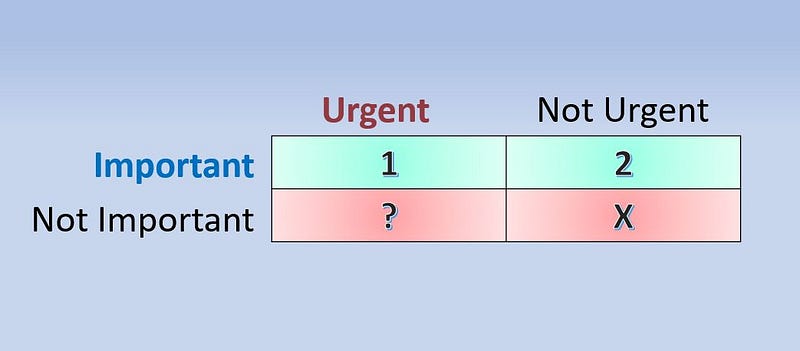
The secret is simple: the Urgent/Important grid. Yup, that simple 4 box grid variously attributed to everyone from Stephen Covey to Dwight Eisenhower. Yes, it’s available as an app. But it’s far older than the computer age.
The story goes that Dwight Eisenhower once said that in war and the presidency, he was confronted with 2 kinds of problems: the genuinely important ones weren’t urgent, and the urgent ones usually weren’t important. And he set his priorities accordingly. That made it into management books, and a powerful tool was born.
I first saw the grid in a leadership course in the 1990s. Recognizing it as a more advanced form of my beloved to-do lists, I decided to try it. Anything that reduced my workload interested me! I listed all of the reports, emails, presentations, etc that I had written in the past month for which no one thanked me and on which no one commented. The list covered two pages of small print. Ouch!
First I got angry at the other people. They hadn’t respected my work or my time. Then I got angry at myself. I hadn’t respected my time either. Why did I waste valuable time (most of which was stolen from sleep or meals) on work that no one cared about?
I ranted, I bitched, and finally I laughed, and decided not to do it anymore. I started using the grid regularly, and it changed my life.
Let it Go…No One Will Know
You probably know how the grid works. It asks 2 questions about every task:
Is it urgent? (how soon does it have to be done)
Is it important (what happens if it isn’t done)?
You label each task for urgency and importance, then work through them in the right order.
Simple, effective, elegant.
One Box Will Set You Free
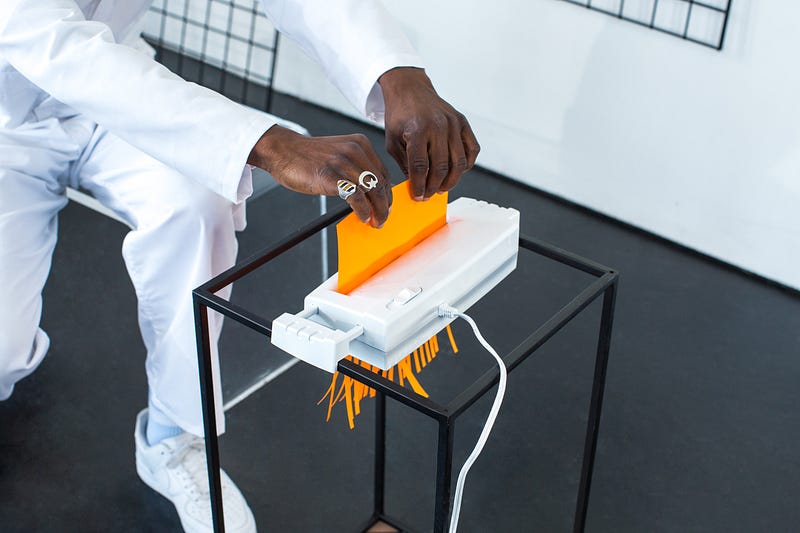
My favorite box remains the ‘Not Urgent, Not Important’ items. Most often these are tasks that or I volunteered to do in a moment of weakness; like most of us, I can be my own worst enemy. However, they really aren’t important, and if I don’t do them, no one will notice.
This box includes things like issuing minutes for informal meetings of 2–3 people and vacuuming behind my couches every week. Skipping them doesn’t make the slightest dent in the universe.
I label them, then take great pleasure in drawing a single line right through each one. Instant happiness!
Try it: write down your meaningless tasks and then cross them out. Don’t you feel lighter? Magically, you now have more time. Spend 1 minute of it congratulating yourself. That was meaningful work.
It’s All in Your Head — and Your Body
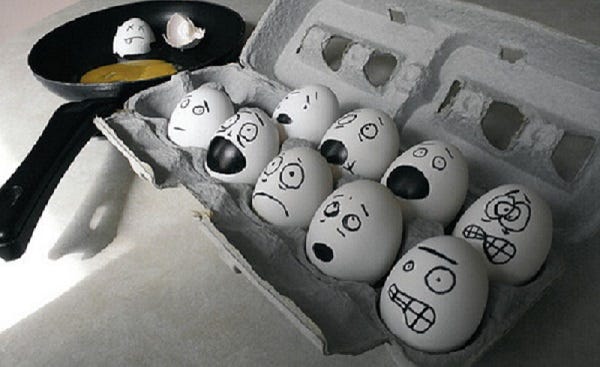
The grid works by reducing your visible workload, and giving you control over your to-do list. Stress from task overload can lead to workload paralysis, which in turn makes you more stressed. Your body leaps to your defense. Cortisol levels increase, chemicals in your brain increase or decrease, and your body responds: your heart rate and blood pressure speed up, thoughts fly through your head like birds before a storm…you simply cannot do good work.
By visibly lightening your load, the grid breaks this stress response, so you can settle down and focus.
Find Calm in the Grid
I identify my Not Urgent/Not Important stuff first each day, and just cross it off my list. With more time, energy and attention for the important items, I can usually complete them before they become urgent. If something genuinely important and urgent does come up, I have time for it.
I control my time and tasks, and that’s calming. Picture yourself feeling that way: working reasonable hours, ending each day knowing that you accomplished something worthwhile, spending your new-found free time however you wish. A calmer, happier you.
Perhaps, like me, you will become a grid evangelist. When colleagues ask for your productivity secret, you will whip out a pen and draw the grid. You will use it in mentoring and coaching sessions. You might even write an article about it. And because you aren’t doing useless work, you will have the time!
Liked this? You might also like