
Stop Doing This To Your Child
… and undo it in yourself
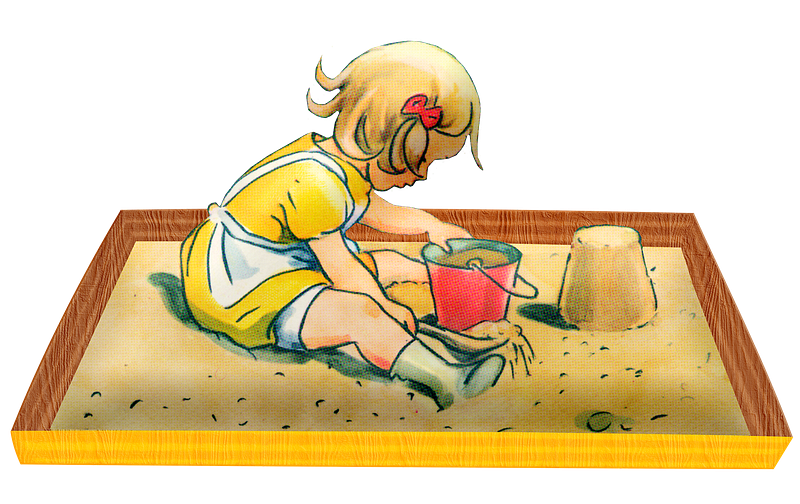
Imagine a child who is completely absorbed in its play. It is ravenously curious and explores the world. It is noon, and a parent calls the child for a meal. The child says that it is not hungry. But it must obey.
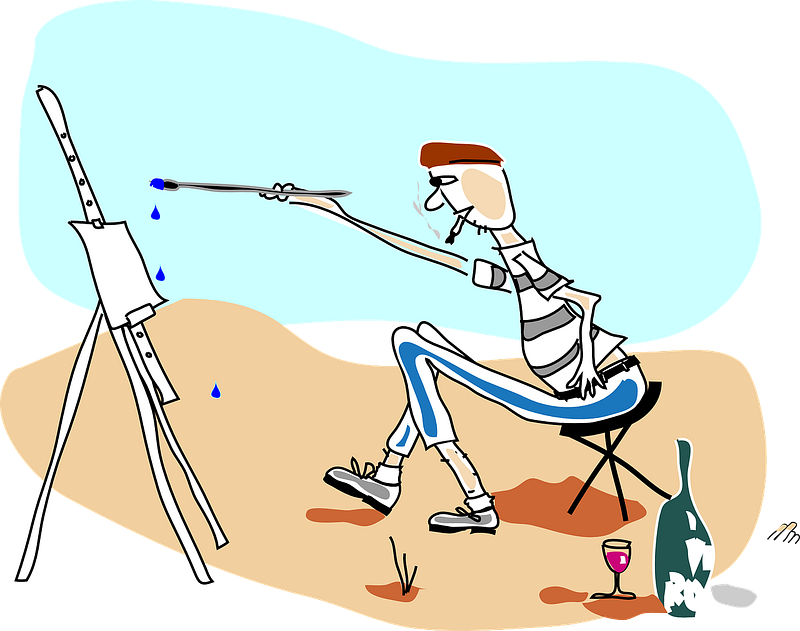
Is the child really not hungry? Yes, because it was completely focused on its play. Imagine Picasso painting a picture. It is noon and his wife calls: “Pablo, lunch is ready.” Can you seriously imagine Picasso dropping his brush and palette and going for the roast?
So why do we do this to our children? Are the worth less than Picasso? No. We do it, because it was done to us. We never questioned it and just passed on this “tradition.”
Let’s see what happens with the child in this situation.
The playing child is curious, ie mentally hungry, and satisfies its mental hunger with its play. In the middle of it, it is torn out of its play. It is forced to eat, although it is not hungry. This causes several disquieting programs:
(1) The child must stop its curious exploration of the world. It learns that its curiosity is wrong.
(2) The child is torn out of its focus. It unlearns to stay focused.
(3) The child has to eat even though it is not hungry. It learns to follow other people’s instructions instead of its own impulses.
(4) The child learns that its feelings and instincts are worth less than instructions from outside. It learns that it is worth less than the people from whom these instructions come. It learns a feeling of inferiority.
(5) Curiosity is mental hunger. The playing child is mentally hungry, but not physically hungry. But it must not feed mentally, instead it must feed physically. The child learns to (try to) satisfy its mental hunger with physical food. (Which doesn’t work.)
Because this happens repeatedly in this or similar ways, these patterns become stronger. The result is a person who functions, consumes, and feels inferior.
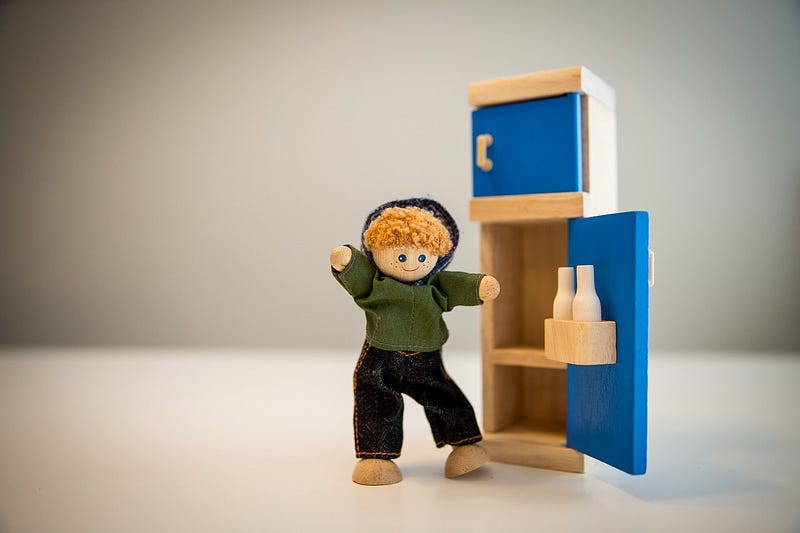
When a child has been trained to eat as a substitute channel for its true curiosity, it will pseudo-curiously explore the fridge instead of truly curiously explore the world.
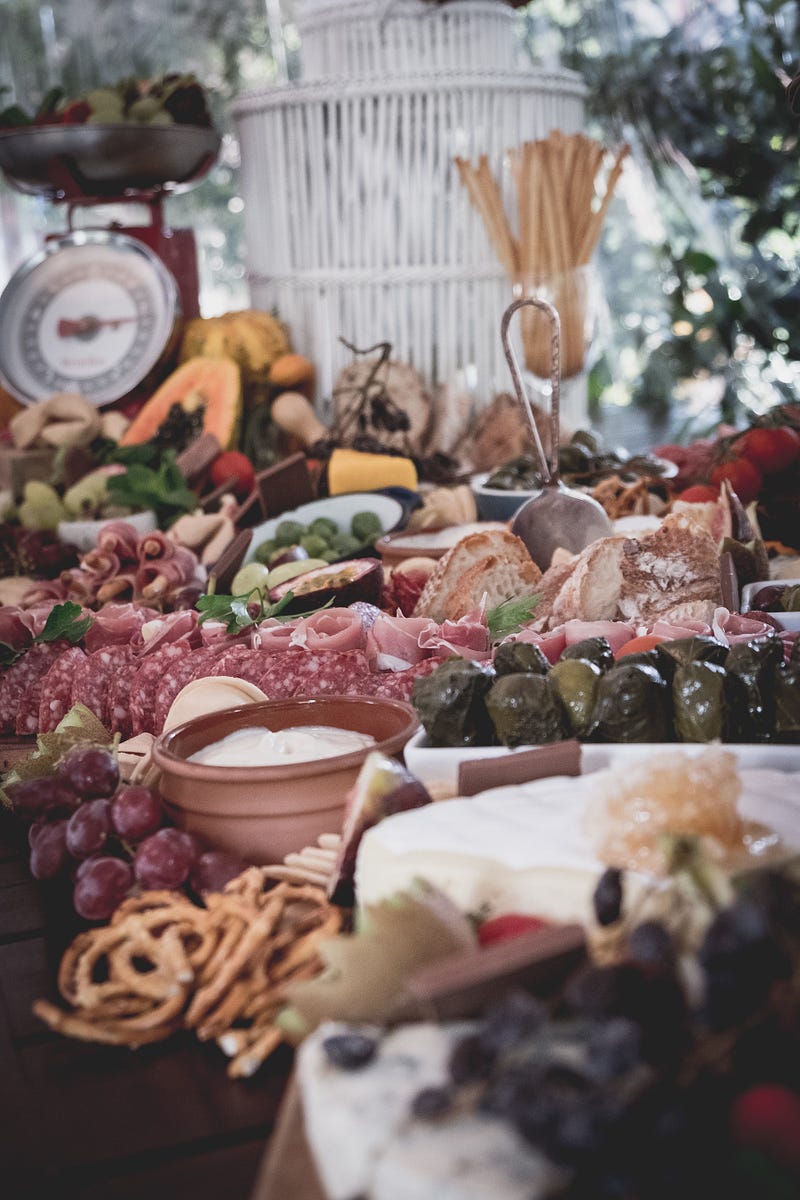
For a proof just look around. Food plays a paramount role in our society. This role vastly outreaches the satisfying of natural hunger for food. Some people crave large quantities of food. Others crave large varieties of food. Sweets have a prominent role as an alternative channel because they satisfy much faster than other foods.
What role does food play in your life? Are there situations when you eat not because you are hungry but because you are looking for satisfaction?
*
What is your benefit of knowing this?
First, you can avoid — or stop — doing this to your child.
Second, you can undo it in yourself. You can free yourself from this program.
The first step is to recognize it in you. This article may help you with this.
The second step is to observe your eating behavior.
The third step is to find out why you want to eat if you want to eat.
The fourth step is not to eat in case you find that you are not really hungry but only looking for satisfaction. Do something creative instead!
All this requires a lot of self-honesty, which requires practice. And it requires discipline.
This really is fundamental. The brilliant US-American architect and inventor Buckminster Fuller got to the heart of it.
“All children are born geniuses; 9,999 out of every 10,000 are swiftly, inadvertently degeniusized by grownups.” (Buckmister Fuller)
Food is not the only method to do this. I describe the other methods in my book “Curiosity: The Mental Hunger of Humans.”
*
As children we are limitlessly curious and permanently explore the world by asking the questions ‘Why?’ and ‘Why not?’ in countless ways. Each of us is a born genius. The above example shows, why and how this stops when we grow up.
We do this to our children because our parents did it to us. Our parents did it to us because their parents did it to them. This is a mental heritage that developed over countless generations. No one ever questioned it. It’s time to stop it. We need to get out of the box.


