
Stop Calling The Police
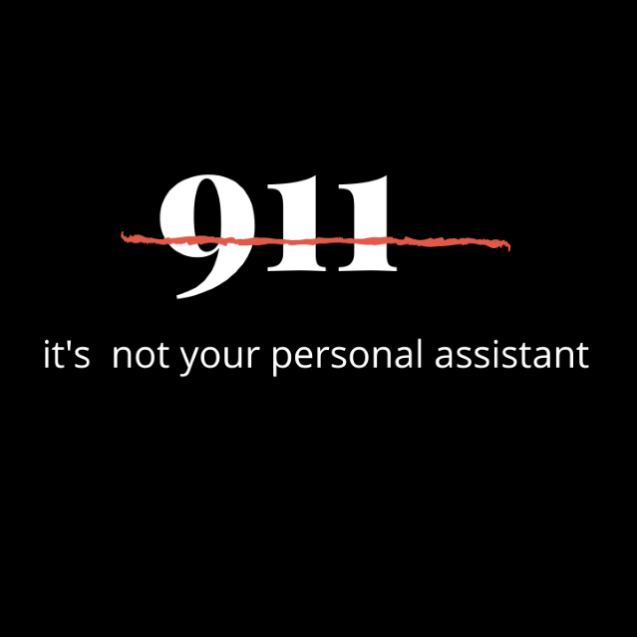
Think before you set off a series of events you can’t control
It’s been said that people see what they want to see. For that exact reason, look for the good in people, rather than the bad.
Donald Hicks, Author of Look Into The Stillness
Less than a week after my post, Say Their Names went out, Rayshard Brooks was shot and killed by police officers. The crime that prompted the call to the police? He was sleeping in his car at Wendy’s in the drive-thru line. He would be alive today if the people working in that store had chosen a different way to handle the problem.
The deaths of so many Black people have rightly caused Americans to question police practices in our country. But racism isn’t only evident when Black people are killed by the police. It permeates our society. Why are we (mainly White people) calling the police when there are other ways to manage a situation?
Most people have heard about incidents like the one with Amy Cooper. She is the White woman who called the police on Christian Cooper, a Black man, for allegedly threatening her life, which video shows never happened. She purposely called the police as a threat to Mr. Cooper, and in doing so, weaponized her White privilege.
You may be thinking, “I would never act like this.” But racism has been ingrained in us since our infancy. It’s taught by relatives, teachers, and others we know through their comments and actions. It is perpetuated on television, in movies, news about Black people’s rates of incarceration. Bias even makes other Black people and police more likely to be afraid of a Black man than a White man.
It causes us to lock our car door, or hold our purse tighter if a Black man comes close. It’s also why White men get to walk around with guns in public without many people giving them a second look.
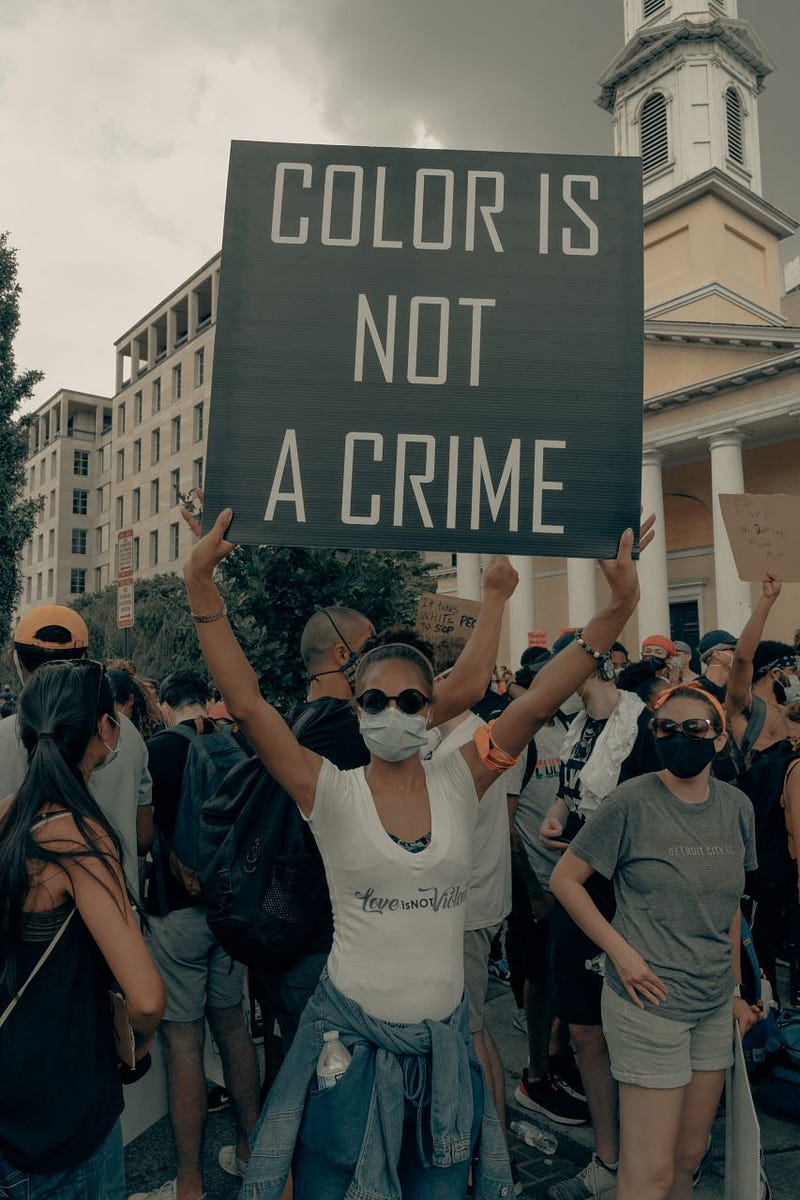
Why should we stop calling the police?
When you call the police, you’re increasing the chances that someone will be injured or even killed. Especially a Black person. Also, bringing police into neighborhoods for a call can cause innocent people to be affected, either through physical harm, false arrest, or violation of their rights. Just as you might be jumping to the conclusion that someone is doing something wrong or illegal, often so are the police. But the difference is that the police often make split-second decisions that can kill someone.
Ask yourself- Is it necessary? Is the person breaking the law? Or are you having a disagreement that both of you should walk away from? Is the reason why you think they are breaking the law because of your bias, or is there a real threat?
Who called the police on Tamir Rice, the 12-year-old boy in Ohio where he was holding a pellet gun? The caller told the dispatcher the gun was probably fake, but that part of the call was not provided to the police that responded. Tamir was shot and killed him within seconds of police arriving at the scene.
What about John Crawford III, killed in a Walmart by police for holding a pellet gun that was for sale in that store. If the police hadn’t been called, they would both be alive today.
Mental health and the police
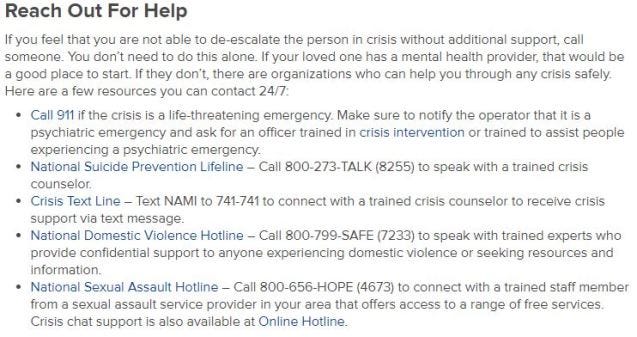
Another scenario where we often shouldn’t call the police is when a person is having a mental break and needs psychiatric help. Even family members turn to the police for help when they feel they can’t control someone with a mental health issue. But too often we have seen the police end up seriously injuring or killing the person because they don’t know how to de-escalate this type of situation.
If you are a family member or friend of a person that may fall into this category, you must develop a plan before one is ever needed. Help them get mental health assistance if they aren’t already. It can be through therapy, medication, or both. If they can’t afford the service, contact your local health department and ask for resources, or do a search on the internet. Then ask the therapist to help create a safety plan for instances like this. The therapist may be able to develop a de-escalation plan that can eliminate the need to call the police. Even if those with mental health issues become violent, incarceration isn’t the answer to the problem.
NAMI, the National Alliance on Mental Illness, offers some suggestions for de-escalation of a mental health crisis, found below. But please carefully consider the advice to call the police. Even if you request an officer trained in crisis intervention, you can’t be sure one will be assigned. Or that having this training makes them qualified to do so.
This isn’t police bashing
The ideas mentioned in this article aren’t anti-police, although they and/or their loved ones may feel it is. Inherent bias is something that we shouldn’t overlook. By using other ways to manage situations without calling police, we can lower the number of deaths of Black people.
Legislation calling for defunding the police is an option as well. Instead of assuming it’s ridiculous, really read the proposals. Our country has put too much money into policing, including the courts, and incarceration. What could happen if we used other solutions like mediation, alternative courts (drug, veterans, etc.), and addiction programs. And put more emphasis on helping people get jobs and housing, and assistance with mental health issues?
So please, STOP CALLING the POLICE!!
Black Lives Matters protests are consuming much of the US right now, and rightly so. Too often, we are outraged about deaths at the hands of police, but move on after the story leaves the news. I hope this time is different, the conversations expand, meaningful policies are enacted, and our perceptions genuinely change.