
Stop Buying This Stuff if You Want to Travel More
Fast food, Netflix, and six other things you can do without

I recently wrote about how much it actually costs to travel around the world because I think you have to talk about money if you’re going to write about travel.
Long story short, I earn less than $25,000 a year (before taxes) yet I travel nearly full-time (and in relative style). Heck, I’m six months into my current around-the-world-trip, and I’m actually saving money.
Earning money while you travel and keeping expenses down is a big part of scratching that travel itch. But it’s only gonna get you halfway there.
If you really want to travel long-term you have to save up a nest egg before your trip.
Here are eight things that I’ve stopped spending money on, and how much money that saves me every year. Hope it gets you started.
I Don’t Own a Car (savings of $8,469 a year)
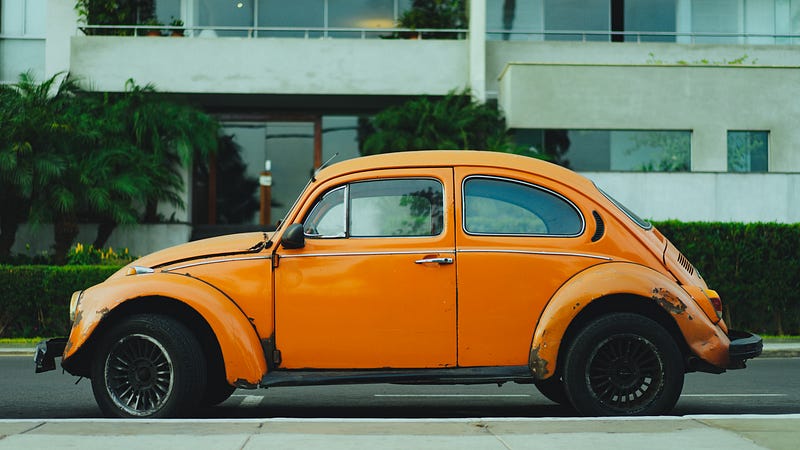
For a lot of Americans, owning a car is non-negotiable. And I get it.
You need a car to get to work and get around town, and in some places not having a car straight up sucks. But it’s hard to ignore how much cars cost to own and operate.
The cost of gas, repairs, registration, insurance, tolls, parking and all the other little things that come along with car ownership (like parking tickets and pine-scented air fresheners) take a surprising bite out of your bank account every year.
The helpful finance dorks at NerdWallet even estimate that the cost of owning a car in the US is around $8,500 a year — or $700 a month.
Yikes.
When you compare that to even expensive public transit (I live in NYC) it’s tough to justify owning a car if you want to save up for a big trip. I bought a cheap single-speed road bike for $250 five years ago.
I sold it in June for $200.
If you want a 2004 Honda Civic more than you want to live in Paris, that’s cool. But it’s kind of a zero-sum game.
Saving money for full-time travel isn’t easy—especially if you don’t earn a ton of money. You have to make sacrifices to travel the world. That’s why it’s not for everyone.
Unless your job or family life hinges on driving to some remote location at odd hours, you can save thousands of dollars a year by riding public transit, biking, or *cough* working remotely.
I Don’t Dine Out (savings of ~$3,000 a year)

I know you’re probably thinking, “So what? I don’t eat at restaurants very often either. Cool ‘travel tip,’ guy.’”
But I’m not just talking about restaurants.
I don’t order fast food, delivery, or takeout. I don’t even have any delivery apps on my phone. Why? Because according to the Bureau of Labor Statistics, eating out costs around $3,000 a year.
$3,000 is the price of six flights from New York to Madrid or five flights from Barcelona to Singapore. Heck, some people travel for months with $3,000. I know I did back in my twenties.
I work from home, so nearly all my meals are easy to plan and prepare at home, but everyone can stand to save a little on dining out.
If you get a lot of pleasure from dining out, that’s awesome. Do you. Just know that the average meal out can cost $13 vs. just $4 at home. It may seem like a small difference, but eating out is 325% more expensive than learning how to make a nice plate of pasta with a vibrant citrus salad (it’s good).
If your dream is to savor authentic Thai cuisine in Bangkok, stop ordering so much Pad Thai in Cleveland.
I Don’t Have Monthly Subscriptions (savings of up to $1032 a year)

I don’t have a Netflix, Hulu, HBOGo, Spotify, Rent the Runway, Trunk Club, Blue Apron, or Apple Music, because those memberships are more expensive than you realize.
Why do you think every startup in Silicon Valley uses the same subscription model? Because people are bad at math, and small automatic payments every month have a way of adding up without you noticing.
If you have what many people consider a fairly standard monthly subscription plan—Netflix ($13/month), Spotify Premium ($13), and the lowest tier membership at something like Blue Apron ($60) or worse Rent the Runway ($130)—you’ll spend over $1,000 a year on tv, music, and a few meals a week.
(FYI, it’s $1,872 if you swap Rent the Runway for Blue Apron).
There’s a monthly subscription on your bank statement that you don’t need. Cancel it today, and start saving for that trip to Bali.
And if you really need to binge-watch a few shows, borrow your friend’s password — or better yet, go watch it with them. You’ll have more fun, and you probably won’t find yourself staring at a Friends rerun at 3 am.
I Don’t “Treat Myself”

I know self-care is a huge topic these days, and I’m all for finding ways to recharge and reset—especially after a long day. But “treating yourself” can become a slippery slope when you need to purchase luxuries just because you’ve had a rough day or worse — you “deserve it.”
If you have to reward yourself for “making it through the week” with a big night out or new outfit maybe it’s time to switch jobs — not max out your credit card.
I used to bartend 60 hours a week, which meant late nights and a sore body from 12-hour shifts on my feet. I’d routinely “treat myself” to expensive dinners on my rare days off or all-nighters at fancy bars and clubs in New York after a good night behind the bar.
But that’s the thing about treating yourself. Those nights when I went out to blow off steam or celebrate because we had a great night weren’t so “great” when I woke up the next morning with a hangover and a few bucks left in my pocket.
That’s an extreme example, but “treating yourself” can become a huge sunken cost. Also, isn’t it super weird how the stuff we treat ourselves with is almost exclusively bad for us?
Just saying.
Instead of spending money on luxuries or vices to claw your way back to normal, try stepping away from the toxic things in your life (like a crappy job). If you have less stress and anxiety in your daily life you won’t need to buy your way out of it as often.
Better yet, find simple ways to treat yourself that actually add value to your life without dinging your health or your bank account. Set aside time in the morning to read a good book. Go rock climbing with a friend.
And if you absolutely have to splurge on something, buy tools that help you create or further your dream of traveling. Buy that backpack you really want. Buy a starter guitar. Get a bunch of yarn and borrow some knitting needles. You know you have a friend that would love to teach you how to crochet.
You’ll be surprised how much money you save (and how much better you feel) when you don’t have to recover from your life every few days.
Stop with the “Beverages” (savings of $2,300 a year)

Not dining out is a huge money saver, but there’s an even simpler way to save money. Skip that morning cup of coffee at Starbucks or that overpriced soda with lunch. And it’s easier than you think.
Don’t get me wrong, I like coffee. I drink several cups a day, but I brew them at home. For pennies a cup.
But it’s not just coffee. Overpriced juices, energy drinks, smoothies, soda, and bottled water are costing you thousands of dollars a year.
Soda costs pennies to make, coffee is just hot bean water, and even juice and smoothies can be made at home with a $12 immersion blender and a trip to the farmer’s market.
You can brew really tasty coffee right in your kitchen and save hundreds of dollars a year. And if you can’t quit overpriced beverages cold turkey, try ordering water instead of soda the next time you’re out to eat.
I Don’t Buy Clothes (savings of $1,604 a year)
As a travel writer, I get sent a lot of clothing to review for my articles and packing lists. It’s awesome and I really like it.
But how much money does this really save me every year?
According to some estimates, the average American spends roughly $134 a month ($1,604 a year) on clothing.
For context, that’s the price of three flights to Europe…every single year.
You don’t have to buy new clothing every three months just because the fast-fashion cycle tells you that overalls are back in style. I mean…they are, but whatever.
Build yourself a quality “capsule wardrobe” of a few basic pieces that you can wear both on the road and in your “real-life” at home and you’ll have a small, stylish, coordinated wardrobe that looks great and travels even better.
I Don’t Upgrade My Phone Every Year (savings of $1,000 a year)
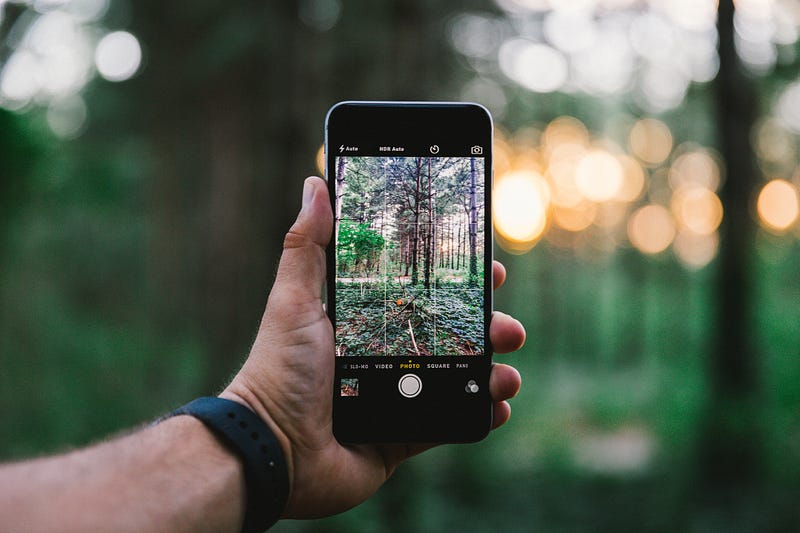
I’m still rocking the iPhone 6s. And you know why? Because it’s still a real good phone.
Would I like to buy the new iPhone 11? Sure. Do I need to spend $1,000 a year upgrading my phone every year? Probably not.
People’s homes are littered with thousands of dollars of “outdated” tech from just a few years ago.
A good smartphone is a big part of how we travel these days — more so if you plan to work remotely — but you don’t need to buy the latest and greatest to stay in touch or get work done. The phone you have right now is more than good enough. Promise.
I Don’t Take Vacations (savings of $1,145 a year)

This last one might sound weird but stick with me. I almost never travel for less than weeks or even months at a time. Why?
Because traveling for a week often costs more than traveling for three months.
The most expensive part of travel is usually your flights. If you think about the per-day cost of your last flight, averaged out to how long you were traveling it was probably close to $100 a day. That’s high.
But when you travel for months at a time, that initial flight feels less like a big purchase and more of a cheap way to get across the ocean. My flight from NYC to Madrid was a few hundred dollars. But average that flight out over the duration of my trip so far, and it’s just $2 a day at this point.
That’s the price of the coffee that I don’t buy every morning. Boom. Free flight. Full circle. See how this thing works?
Slow travel helps mitigate the cost of big purchases over the shelf-life of your trip, making your cost of living on the road feel like nothing.
How to Save Money for Your Big Adventure
Saving money for traveling isn’t sexy. There’s no life hack or secret sauce. Honestly, it’s mostly just a mix of common sense, moderation, and boring entry-level money management.
You just have to spend less than you earn and find cuts that make sense. Anyone can do it. And that’s the point.
You don’t have to be a travel pro to explore the world like a boss. Just limit your spending in a few of these few areas, and you can travel the world for a lot less than you think.
And if you have any other good ways to save a few bucks before my next adventure, shoot me an email—s[email protected]. I’m all ears.


