avatarJohn Ilho

Free AI web copilot to create summaries, insights and extended knowledge, download it at here

2520

Abstract

ocked a problem I was having back then.</p><p id="0a87">I was writing a story, and my characters were lost in the woods, and due to reasons I can’t explain, I couldn’t figure out how to get them out without inducing readers into a coma. I was so stuck in this scene I almost gave up the project altogether.</p><p id="43fe">As soon as I saw this problem, I realized I had built a box around a straightforward issue. I closed the book, hit the keyboard running and made my characters un-lost. That’s all I did. Forget the forest altogether and move onward to more exciting things.</p><h1 id="3c44">Think absurdly and find clarity</h1><p id="331d">We get so caught up with how things should be done we forget to try something new.</p><p id="0317">Because I like learning new things all the time, I took an introduction to UX design course online.</p><p id="ef67">Here’s the gist: you write down every idea you can come up with. Then you throw them all in the bin and come up with impossible and absurd ways to solve the problem at hand.</p><p id="8774">Then study those contrived ideas and think about how you could make them work. Keep throwing weird things into the mix. Don’t concern yourself with any boundaries, and come up with as many ideas as you can.</p><p id="a3d8">This iteration process is the most important part of the exercise. Think weird. Like raining-cats-knitting-scarves-on-Saturn-while-watching-John-Oliver-talk-about-sexy-frogs weird (hmm… that might be a good prompt to try on <a href="https://www.midjourney.com/">midjourney</a>).</p><p id="1cc7">When you feel things have gone way beyond absurd and even those ideas are exhausted, your mind becomes somehow clearer of nonsense.</p><p id="5900">This exercise tests the rigidity of your “box” so you can smash it to pieces.</p><p id="01ee">After you emptied your head and filled it with nonsense, go back to your original problem with new eyes. See if you can find solutions that weren’t there when you started.</p><p id="baff">You’ll be amazed at how clear your mind has become and begin to see the most basic and straightforward ways to go about it. And sometimes, an iteration of a seemingly preposterous idea you wrote down will lead you to the answer you’ve been looking for.</p><h1 id="ad75">How do you solve the 9-dot puzzle with only one single line?</h1><p id="da10">You roll the puzzle into a cylinder.</p><figure id="caf9"><img src="https://cdn-images-1.readmedium.com/v2/resize:fit:800/1*Vst9lPRHsjviYnIYHp4A2g.jpeg"><figcaption>Yes, that

Options

’s a post it. Photo taken by the author</figcaption></figure><p id="71a0">I bet you didn’t see that one coming.</p><h1 id="7722">Set your writing free</h1><p id="8894">In my journey to become a copywriter, I found new tools that allowed me to improve my creative writing by making it easier to think outside the box.</p><p id="2cc0">To write better, we should study all forms of writing.</p><p id="37da">I know it may sound crazy to some; why should you study sales and marketing strategies if what you want is to write science fiction?</p><p id="833d">Well, that’s just it. All genres and mediums use words, and all of them have just one purpose: to grab the reader’s attention.</p><p id="c278">Copywriting and journalism can make your prose more direct and less purply.</p><p id="db63">Studying copywriting also helped me figure out how to write great openings for my novels and short stories. It’s the same principle we use for blog posting. Start with a short sentence and lead with an interesting proposition. Make every sentence a slippery slope into the next one.</p><p id="dd25">These seemingly basic notions allowed me to kick my constraints to the curb to such a degree I seldom get stuck anymore.</p><p id="4fcb">Goodbye, writer’s block. It was awful knowing you.</p><p id="c4ef">The opposite holds true as well. Creative writing will help you create better narratives for the body of your copy and help a <a href="https://readmedium.com/what-is-ux-writing-96f5b85b37c8">UX writer</a> find the right words to guide a user through their experience.</p><p id="6f60">Poetry will help you to write with feeling and make words draw powerful imagery and emotions.</p><h1 id="7e37">Conclusion</h1><p id="3e7e">This article is about writing, but this process can be used to solve almost anything and create virtually endless opportunities.</p><p id="3bee">If you get stuck on a problem, use this brainstorming trick to unlock new ideas. To help you along, also study seemingly unrelated things to help push the boundaries of what you think is possible.</p><p id="6cfb">Are you ready to take a lesson from user experience designers <a href="https://readmedium.com/what-is-ux-for-me-ac28ca6e173f">(UX)</a> and start smashing boxes?</p><p id="c0ef">Why don’t you give it a try? I promise you; it’s a lot of fun.</p><p id="e8d7"><i>Join me at <a href="https://subscribepage.io/mutecatmanolo"><b>Mute Cat Manolo</b></a>, a <b>free</b> weekly newsletter with insights on how to improve your writing.</i></p></article></body>

Stop Being A Hostage Of Your Assumptions — Tear The Boxes Apart

Challenge your assumed constraints and set your creative mind free

Photo by SHVETS production: https://www.pexels.com/photo/man-between-stacks-of-cardboard-boxes-at-home-7203725/

Assumed constraints are one of my favourite things to crush.

It’s not about thinking outside the box but instead about changing the box itself. Or ignoring the box altogether.

Thinking about them not only helps me improve my writing skills but also everything else.

What’s an assumed constraint?

Simply put, it’s a belief that limits your ability to solve problems.

Here is a perfect example to help you visualize it:
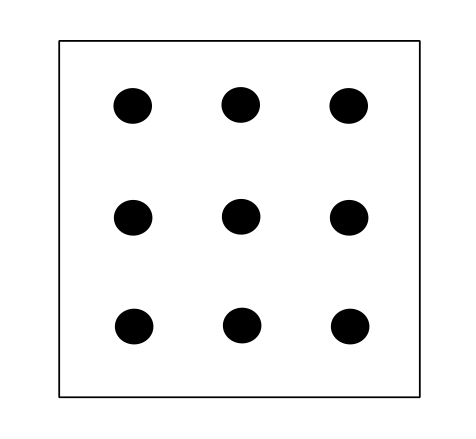
9-dot-problem, made by the author using Inkscape

See if you can connect all dots using only 4 straight lines.

You probably have seen this 9-dot problem before. I mean, it’s a classic lateral thinking problem developed way back in the seventies and, since then, has never really lost popularity.

To solve it, you literally have to think outside the box because the assumed constraint is the box itself.

If you decide to ignore the box entirely and draw outside the parameters, the solution becomes rather obvious.

Here’s the solution. Don’t worry; I didn’t solve it on my first try, either.
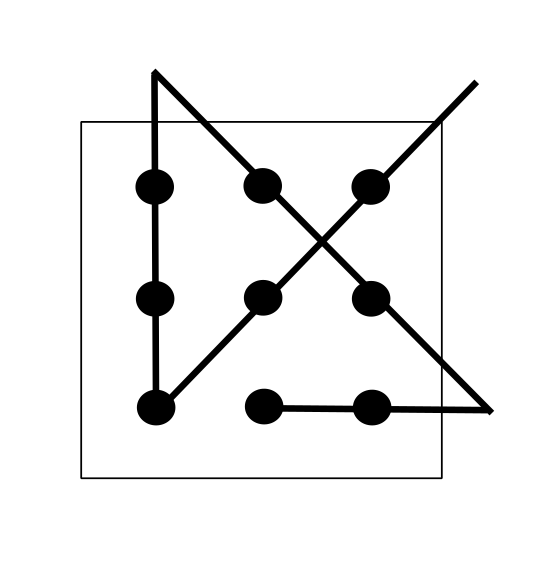
9-dot-problem solution, made by the author using Inkscape

But it doesn’t stop here. Did you know you can also solve it using only 3 straight lines?

What if I tell you you could do it with just one?

Here’s how you unlock new superpowers

I first came about this problem in Joseph Sugarman’s book, The Adweek Copywriting Handbook, which instantly unlocked a problem I was having back then.

I was writing a story, and my characters were lost in the woods, and due to reasons I can’t explain, I couldn’t figure out how to get them out without inducing readers into a coma. I was so stuck in this scene I almost gave up the project altogether.

As soon as I saw this problem, I realized I had built a box around a straightforward issue. I closed the book, hit the keyboard running and made my characters un-lost. That’s all I did. Forget the forest altogether and move onward to more exciting things.

Think absurdly and find clarity

We get so caught up with how things should be done we forget to try something new.

Because I like learning new things all the time, I took an introduction to UX design course online.

Here’s the gist: you write down every idea you can come up with. Then you throw them all in the bin and come up with impossible and absurd ways to solve the problem at hand.

Then study those contrived ideas and think about how you could make them work. Keep throwing weird things into the mix. Don’t concern yourself with any boundaries, and come up with as many ideas as you can.

This iteration process is the most important part of the exercise. Think weird. Like raining-cats-knitting-scarves-on-Saturn-while-watching-John-Oliver-talk-about-sexy-frogs weird (hmm… that might be a good prompt to try on midjourney).

When you feel things have gone way beyond absurd and even those ideas are exhausted, your mind becomes somehow clearer of nonsense.

This exercise tests the rigidity of your “box” so you can smash it to pieces.

After you emptied your head and filled it with nonsense, go back to your original problem with new eyes. See if you can find solutions that weren’t there when you started.

You’ll be amazed at how clear your mind has become and begin to see the most basic and straightforward ways to go about it. And sometimes, an iteration of a seemingly preposterous idea you wrote down will lead you to the answer you’ve been looking for.

How do you solve the 9-dot puzzle with only one single line?

You roll the puzzle into a cylinder.
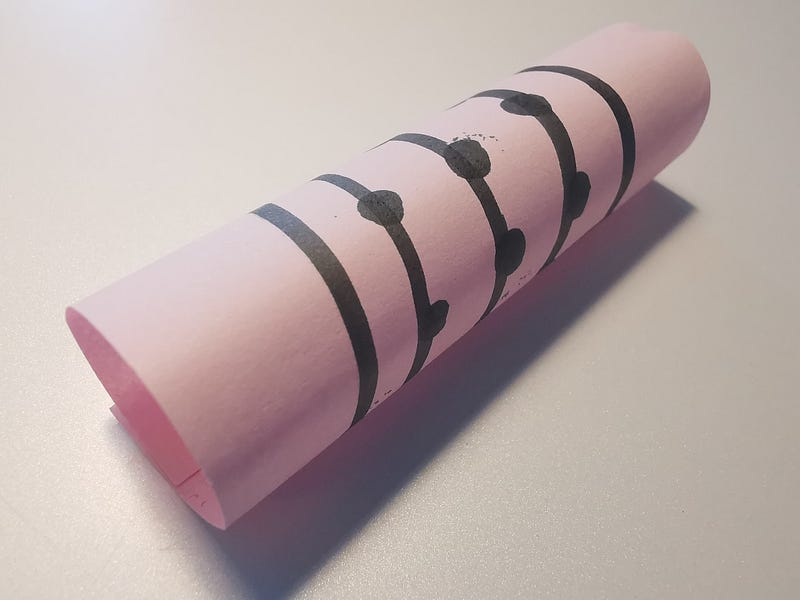
Yes, that’s a post it. Photo taken by the author

I bet you didn’t see that one coming.

Set your writing free

In my journey to become a copywriter, I found new tools that allowed me to improve my creative writing by making it easier to think outside the box.

To write better, we should study all forms of writing.

I know it may sound crazy to some; why should you study sales and marketing strategies if what you want is to write science fiction?

Well, that’s just it. All genres and mediums use words, and all of them have just one purpose: to grab the reader’s attention.

Copywriting and journalism can make your prose more direct and less purply.

Studying copywriting also helped me figure out how to write great openings for my novels and short stories. It’s the same principle we use for blog posting. Start with a short sentence and lead with an interesting proposition. Make every sentence a slippery slope into the next one.

These seemingly basic notions allowed me to kick my constraints to the curb to such a degree I seldom get stuck anymore.

Goodbye, writer’s block. It was awful knowing you.

The opposite holds true as well. Creative writing will help you create better narratives for the body of your copy and help a UX writer find the right words to guide a user through their experience.

Poetry will help you to write with feeling and make words draw powerful imagery and emotions.

Conclusion

This article is about writing, but this process can be used to solve almost anything and create virtually endless opportunities.

If you get stuck on a problem, use this brainstorming trick to unlock new ideas. To help you along, also study seemingly unrelated things to help push the boundaries of what you think is possible.

Are you ready to take a lesson from user experience designers (UX) and start smashing boxes?

Why don’t you give it a try? I promise you; it’s a lot of fun.

Join me at Mute Cat Manolo, a free weekly newsletter with insights on how to improve your writing.

Writing Tips
Writing
Inspiration
Insights
User Experience
Recommended from ReadMedium