
Stoltenberg: Ukraine May Target Russian Military with F-16s from Allies, Under Specific Conditions!
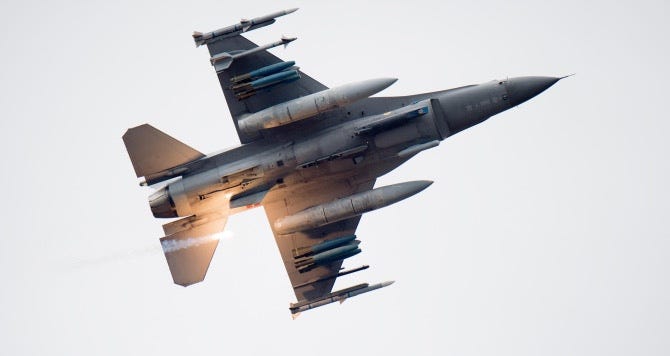
In a significant development within the Ukraine-Russia conflict, NATO Secretary-General Jens Stoltenberg outlined a pivotal shift in the alliance’s military support strategy. In an interview granted to Zoryana Stepanenko of Radio Liberty in Brussels, Stoltenberg stated that Ukraine, upon receiving F-16 fighter jets from its allies, would have the capacity to target military objectives within Russia, adhering to international law’s dictates. This strategic enhancement is not merely about augmenting Ukraine’s military arsenal; it is a calculated move within the confines of international norms and the principle of self-defense against the backdrop of Russian aggression.
Stoltenberg’s clarification came in response to inquiries about potential restrictions on using these advanced aircraft for operations directly on Russian soil, as opposed to Ukrainian territories under occupation. His remarks underscore a nuanced stance among NATO members, reflecting varied policies towards the conflict’s conduct. However, the overarching principle remains clear: Ukraine’s right to self-defense under international law encompasses targeting legitimate Russian military sites beyond its borders. This perspective aligns with the view of the conflict as a blatant violation of international norms by Russia, thereby legitimizing Ukraine’s countermeasures within a legal framework.
The deliberation over F-16s extends beyond legal considerations to operational readiness and strategic timing. Stoltenberg emphasized the importance of consulting military experts to determine the readiness for F-16 deployment. The criteria for this significant military aid involve not only the immediate availability of these jets but also ensuring that Ukrainian pilots are adequately trained, and the requisite maintenance systems are in place. This comprehensive approach aims to integrate the F-16s effectively into Ukraine’s defense capabilities, enhancing their operational impact against the aggressor.
A quick heads-up: Medium’s been tweaking its algorithms and it’s getting trickier for my stories to land in your feed. So, if you enjoy my work, please make some noise! Hit that clap button, light up the highlights, or drop a comment. Every interaction helps keep the stories flowing. Thanks for your support!
This strategic initiative has sparked a timeline for action, with reports from Foreign Policy, citing European officials, suggesting that F-16s could be operational in Ukrainian airspace as early as June 2024. This projection was echoed by Lithuania’s Defense Minister, Arvidas Anušauskas, and further corroborated by another European official speaking on condition of anonymity. The timeline, while indicative of the urgency and commitment of Ukraine’s allies, also highlights the complexity of preparing for such an advanced capability. The process, as detailed by the Ukrainian Air Force spokesperson, Iuri Ihnat, involves intensive training and familiarization for Ukrainian pilots to maneuver these jets proficiently, indicating a phased and meticulous approach to bolstering Ukraine’s air defense.
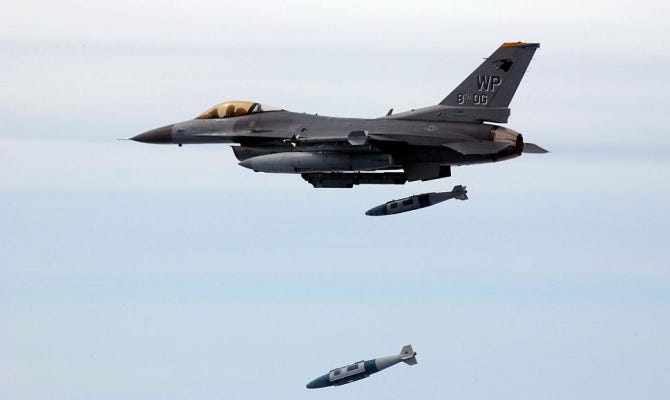
Ihnat’s cautionary note about the expectations tied to the F-16s arrival underscores a realistic appraisal of the situation. The incremental delivery and integration of these jets into Ukraine’s military framework signal a strategic enhancement but not an immediate panacea to the conflict. The acknowledgment that Ukraine will not receive the latest versions of the F-16, nor a vast quantity in a single tranche, reflects the pragmatic approach of its allies. This phased deployment, aimed at gradually elevating Ukraine’s defensive posture, is a critical aspect of the broader strategy to counter Russian aggression while navigating the intricacies of international law and military diplomacy.
The nuanced strategy articulated by Jens Stoltenberg, regarding the delivery and operationalization of F-16 fighter jets to Ukraine, signifies a broader recalibration of the West’s military assistance to Kyiv amidst ongoing Russian aggression. This strategic shift is not merely about enhancing Ukraine’s military hardware but also about aligning such support within the ambit of international law and the collective defense posture of NATO allies. The conditional nature of this support – emphasizing the right to target military objectives within Russia under specific circumstances – highlights the alliance’s attempt to maintain a delicate balance between bolstering Ukraine’s self-defense capabilities and adhering to the principles that govern international conflict.
The complexity of this endeavor extends to the practical aspects of military readiness and logistical preparation necessary for the effective use of F-16 jets. Stoltenberg’s emphasis on the need for expert military consultations to ascertain the appropriate timing for F-16 deployment underscores a comprehensive approach to military aid. It’s not just about the physical transfer of jets; it’s about ensuring that Ukrainian forces are fully equipped, both in terms of skills and infrastructure, to leverage these advanced aircraft against the adversary. This approach reflects an understanding that the efficacy of such military assets is contingent upon the readiness of personnel and the establishment of robust maintenance and operational systems.
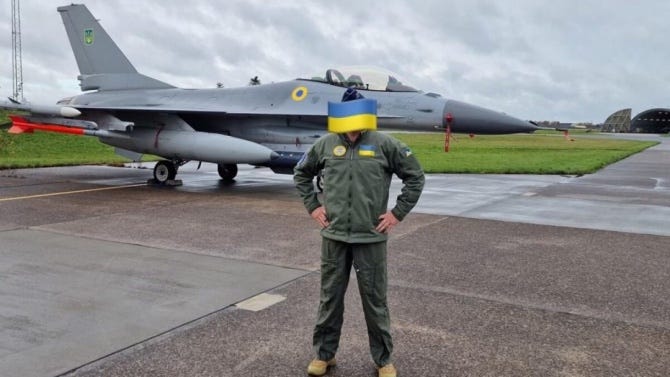
The anticipation of seeing F-16s in Ukrainian skies by June 2024, as suggested by sources cited by Foreign Policy, introduces a timeline that conveys both urgency and the procedural rigor involved in preparing for their deployment. This timeline, while indicative of a commitment to supporting Ukraine, also reflects the logistical and training challenges inherent in integrating advanced fighter aircraft into an existing military framework. The comments by Lithuania’s Defense Minister, Arvidas Anušauskas, and the anonymous European official, point towards a concerted effort among Ukraine’s allies to expedite this support, while also managing expectations regarding its immediate impact on the conflict’s dynamics.
The operational readiness of Ukraine to incorporate F-16s into its military strategy involves a significant preparatory phase, as detailed by Ukrainian Air Force spokesperson Iuri Ihnat. The ongoing training and familiarization processes for Ukrainian pilots are critical to ensuring that the introduction of F-16s translates into a strategic advantage on the battlefield. Ihnat’s remarks serve as a reminder of the complexities involved in such military upgrades, emphasizing that the arrival of F-16s, while significant, is not a silver bullet that will instantly alter the course of the conflict. This perspective is vital for understanding the multifaceted nature of military assistance and the incremental steps required to enhance Ukraine’s defense posture effectively.
Moreover, Ihnat’s caution regarding the expectations tied to the F-16 deployment highlights a pragmatic understanding of military capabilities and their role in conflict resolution. The acknowledgment that Ukraine will not receive the most advanced versions of the F-16 nor a large fleet at once underscores the strategic and logistical considerations that guide the provision of military aid. This phased approach, aimed at gradually augmenting Ukraine’s aerial capabilities, illustrates the strategic patience and planning required to navigate the current conflict, ensuring that each step taken aligns with broader objectives of restoring peace and upholding international law.
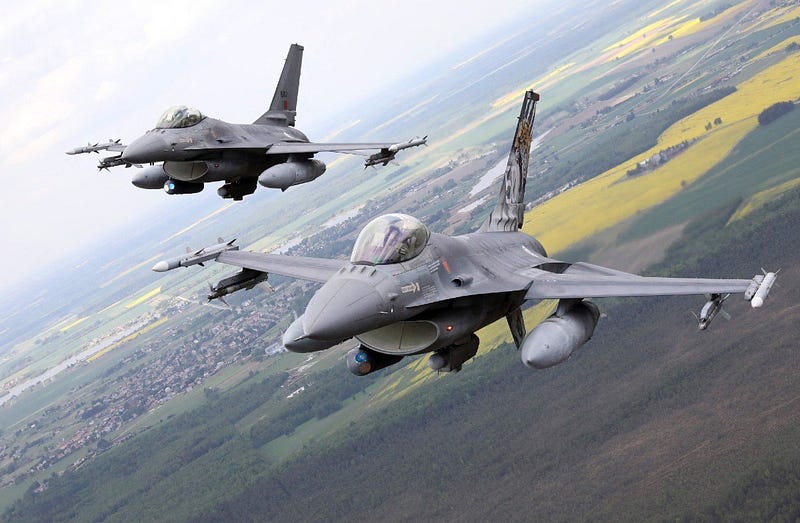
In conclusion, the strategic dialogue surrounding the provision of F-16 fighter jets to Ukraine encapsulates the complex interplay between military support, international law, and the overarching goals of conflict resolution. As Ukraine and its allies navigate the challenges of integrating advanced military assets into the ongoing conflict, the principles of strategic patience, rigorous training, and adherence to legal norms remain paramount. The journey towards operationalizing these jets within Ukraine’s defense strategy underscores the broader commitment to defending sovereignty and deterring aggression, within the framework of international collaboration and legal accountability.


