
Steve Job’s Aesthetic Taste
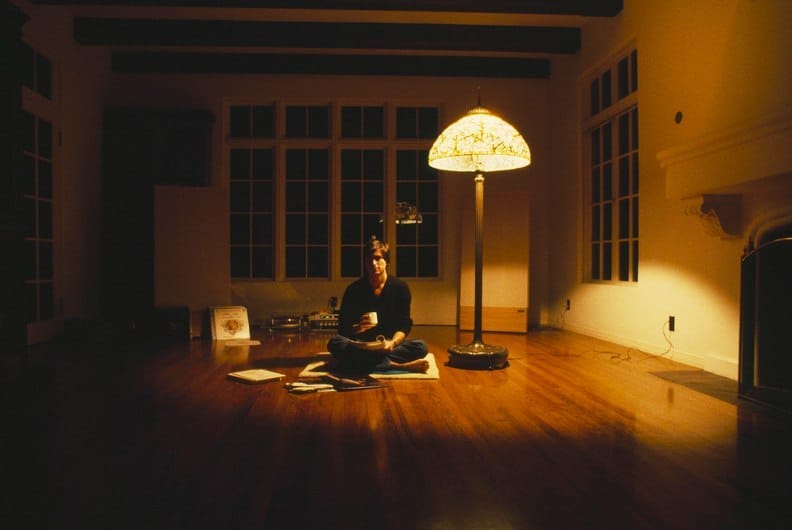
Many people think that aesthetics focus on appearance and is superficial. “Beauty” is indeed presented through appearance, but there are meanings and connotations behind the appearance. If one has a unique aesthetic taste and integrates it into product building, beauty will often show its profound value.
Everyone can develop their artistic taste through learned practice, although part of it depends on innate ability. Jobs has a genuine interest in art. When choosing a university, he said: “The kids who choose to join Stanford University know what they want, but their choice is not artistic. I want something more artistic and interesting.” (Steve Jobs By Walter Isaacson). He chose Reed College, which is a private humanities school. He dropped out of college in less than a year but kept listening to courses he liked.
Jobs consciously positioned himself at the intersection of art and technology in his early years. The course he was most interested in was font design. He mentioned that science could not capture the beauty of calligraphy and the subtleties of the art, which is fascinating. It is the most crucial part of the development of his aesthetic taste. On the other hand, his taste was also profoundly influenced by a series of thoughts and aesthetic styles.
Zen
During his college years (1972), Jobs was deeply influenced by various inspirational books, the most famous being Ram Dass’s Be here now. Throughout his life, he had sought to follow many basic precepts of Eastern religions, such as emphasizing meditation, experiential prajna, wisdom, or cognitive understanding, all of which stress intuitive experience through focus. He was particularly fascinated by Zen. Zen has several influences on him:
1) It impacted his values and let him focus on the most meaningful things. Steve Jobs talked about Zen’s influence on his youth: “It reinforced my sense of what was important……creating great things instead of making money, putting things back into the stream of history and human consciousness as much as I could.”(Isaacson 41)
2) Zen allows people to experience the essence of things directly, emphasizing people’s intuitive experience, which Steve Jobs especially appreciated. He believed that Western culture places too much emphasis on speculation and rationality and ignores intuition and understanding. Zen emphasizes “nondualism,” which transcends duality and returns to the original mind. Jobs’ pursuit of design and beauty is embodied in the quest for intuition and purity rather than sticking to dogma and logical reasoning. Zen inspires his passion for pureness. Once you have a clear mind, you will be highly focused, discard all the unimportant things, and make the most core things perfect.
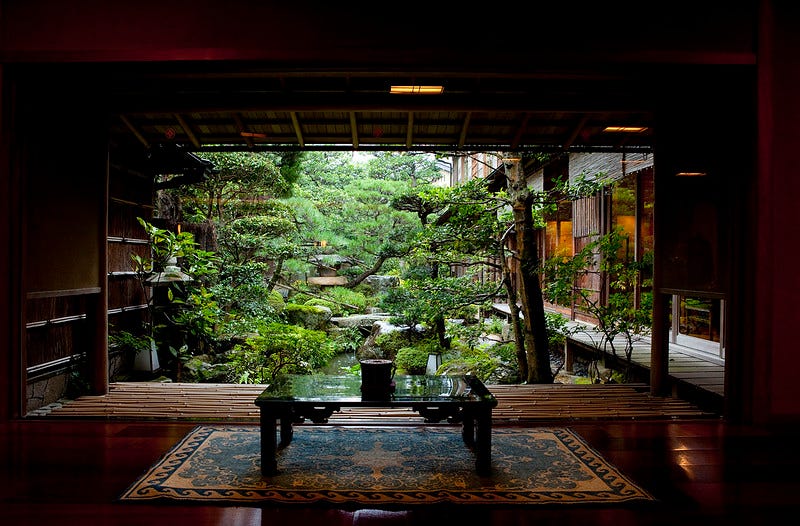
3) Zen “emphasizes the meaning and despises form.” Its aesthetics does not emphasize form but spirit, and it does not emphasize complexity but simplicity. Zen’s aesthetic spirits influenced Joe’s taste profoundly. Of course, the pursuit of the “simplification “by the Oriental is spiritual. The simplification of the form and a large amount of blank space enable the spirit to gain the most fantastic galloping space and become more ethereal. Jobs’ pursuit of simplicity was to show his philosophy on design. Simplicity, in his eyes, involved digging through the depth of the complexity to get rid of the parts that were not essential. He also believed that modern manufacturing technology must meet everyday life’s needs to provide simplicity and convenience. Steve Jobs had extremely high requirements for ease of use and created the most user-friendly products that penetrated Zen’s spirit of chasing the essentials. As his sensitivity to aesthetics increased, Jobs also preferred Japanese culture and aesthetics, such as he was very fond of Issey Miyake’s design and Kyoto courtyards. These Japanese designs express the beauty of purity, nature, and simplicity to the extreme, full of Zen thoughts.
Bauhaus and Modern Style
When Jobs was young, it was where the modernist style flourished. When he was in middle school, Joseph Eichler developed the Jobs house. Affected by Frank Wright’s architectural philosophy, Joseph Eichler has produced many modern, simple, low-cost residences with floor-to-ceiling glass walls, open spaces, and sliding glass doors. This clean, elegant, low-cost design and aesthetic style inspired Job and evoked his original vision of creating objects.
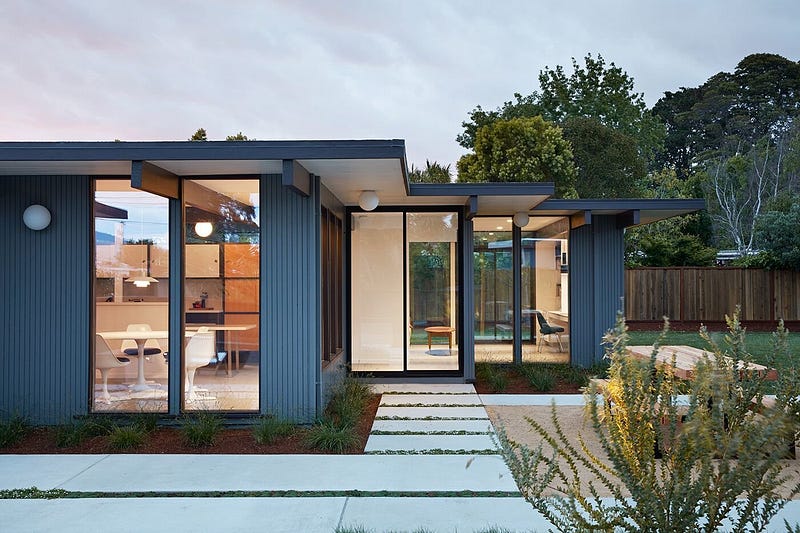
At the beginning of Apple, Sony’s design aesthetic style prevailed. At first, Jobs liked the high-tech style of Sony. In 1980, after participating in the annual World Design Conference in Aspen, he became more interested in the Bauhaus design philosophy, which advocated “God is the detail” and “Less is more.” The modernist style championed by Bauhaus shows that the design should be simple but expressive. It uses simple forms to emphasize rationality and functionality. Like the Eichler residences, these result from a combination of artistic sense and mass production capacity.
The modernist masters that Jobs liked include Richard Sapper, Charles & Ray Eames, and Dieters Rams. The furniture of Charles and Ray Emases is simple and modern while retaining the fine quality of traditional craftsmanship; the products of Dieters Rams are elegant and pure, representing minimalism.
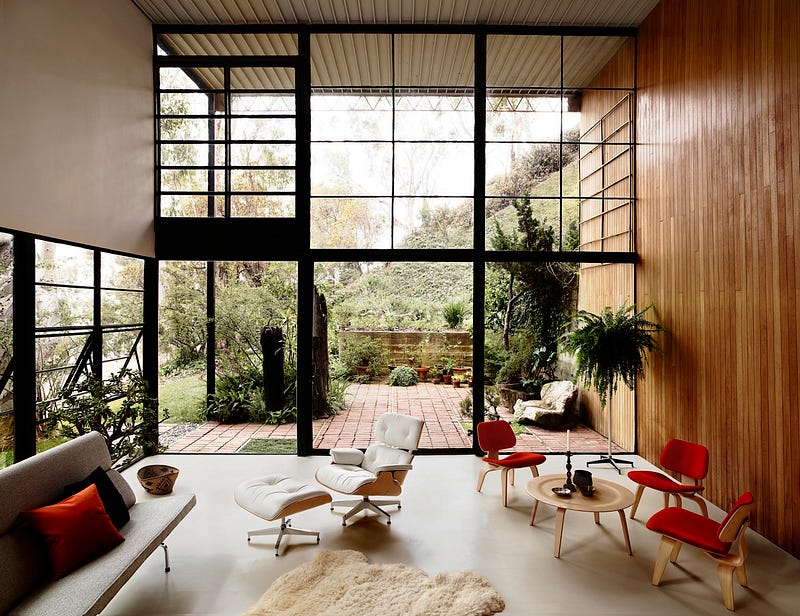
When Jobs met Bauhaus and European design masters, he did not hesitate to accept these latest design concepts and aesthetic styles. He emphasized that Apple’s products should be simple and clean and stated that “simple is the ultimate complexity.” Of course, the simplicity here is not only the simplicity of appearance, but he said that the product is easy to use and must be user-friendly. Users can intuitively understand how the product is used instead of learning. He admired minimalism, which stems from his love of Zen and his pursuit of simplicity. On the other hand, Jobs avoided setting minimalism too cold and wanted to keep human vitality in the product.
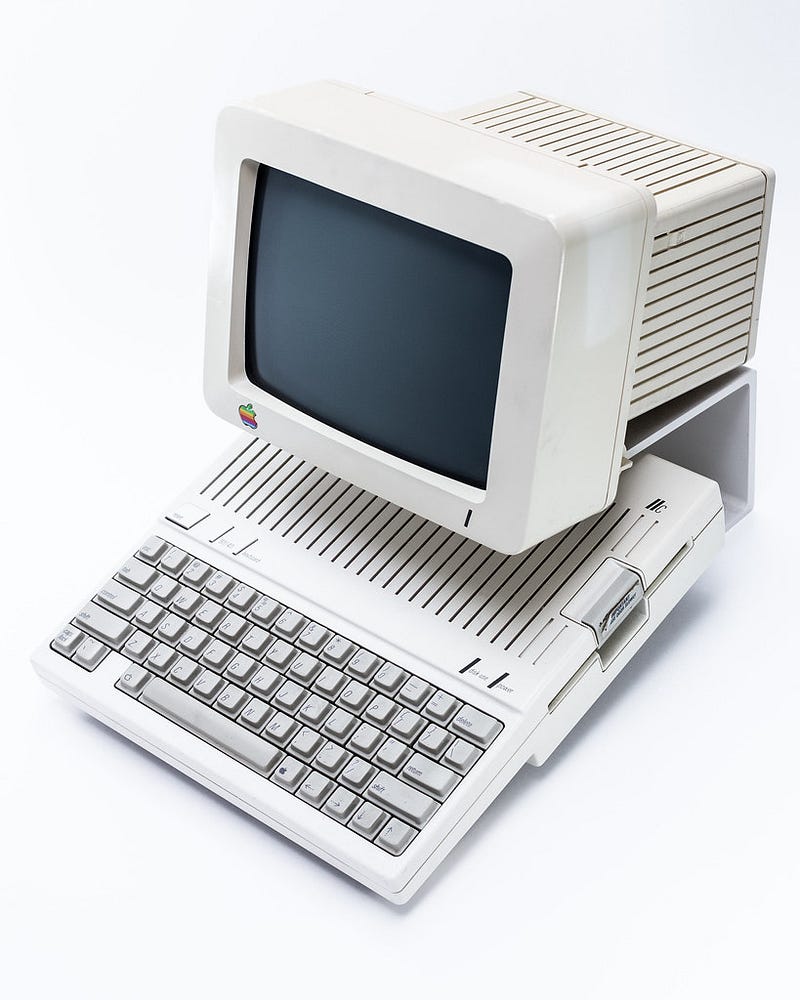
A crucial German designer also assisted the early Apple design. Hartmut Esslinger, Esslinger’s design principle is form follows emotion. Based on the German-style simple and sophisticated design concept, he integrated the American spirit (rebellion and free spirit) and designed many products that fit Jobs’ tastes. APPLE IIc is one of its masterpieces with a white look, tight rounded curves, and lines of thin grooves for both ventilation and decoration. Esslinger founded Frog in Palo Alto in 1983, and its main business in the early days was to serve Apple.
Porsche Style- blends beauty, practicality, and performance.
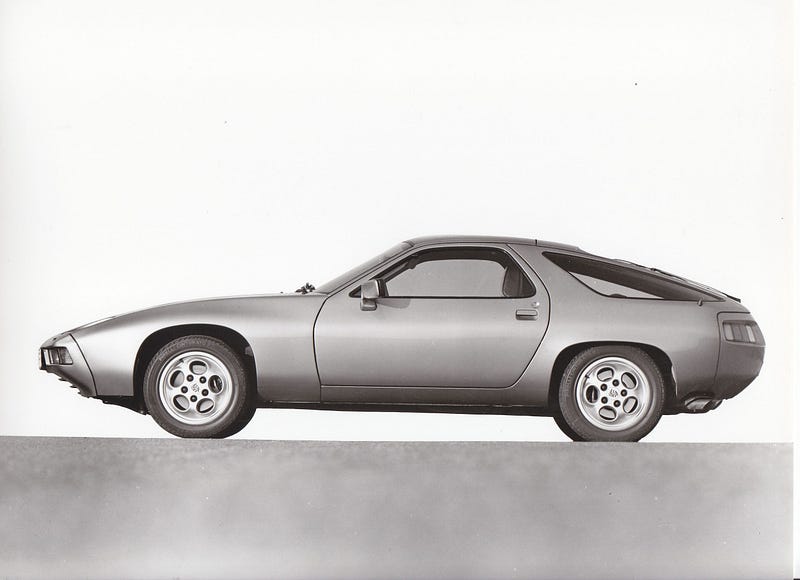
Jobs inherited his father’s love for cars. He was very familiar with the style of classic cars and had good taste. In 1981, when designing a generation of Mac, Jobs said, “We need a very classic look like the Beetle.” Jobs admired Porsche more than Ferrari’s dynamic and gorgeous style. The founder of Porsche, Ferdinand Alexander Porsche, selected “Design must be honest,” pursuing the combination of simplicity, elegance, ultimate performance, and comfort, which differs from Ferrari’s emphasis on exaggerated style. The Germans’ pragmatic design aesthetic style was more consistent with Jobs’ aesthetic taste. At that time, Jobs showed his Porsche 928 car to Bill Atkinson (one of his colleagues) and told him it was the product Macinston needed to learn. The Germans’ pragmatic design aesthetic style was more consistent with Jobs’ aesthetic taste. He believed that the form must be distinctive, but it must be practical and consistent with performance.
Craftsmanship
From his father, Jobs realized that the hallmark of exquisite craftsmanship was ensuring those hidden parts were carefully crafted. It is reflected in his pursuit of product details. For example, when developing the iOS system, he had high requirements for all parties. He said, “it’s not just a little thing. It’s something we have to do right.” Another more extreme example is that the printed circuit board inside the computer was required by Jobs to have fine details. Jobs thought the memory chip was too ugly and necessary quality and beauty. The engineering staff obviously couldn’t understand his idea. Finally, jobs said: “I want it to be as beautiful as possible, even if it’s inside the box. A great carpenter isn’t going to use lousy rotten for the back of a cabinet, even though nobody’s going to see it.”(Steve Jobs by Walter Isaacson).
In short, beautiful things are a whole, and every detail constitutes a perfect product in his view. In addition to the product itself, he strived for perfection in everything from the logo, packaging, presentation, etc. It is in line with the spirit of Japanese artisans, focusing on things themselves and pursuing perfection from the whole to the details.
Counterculture and Think Differently
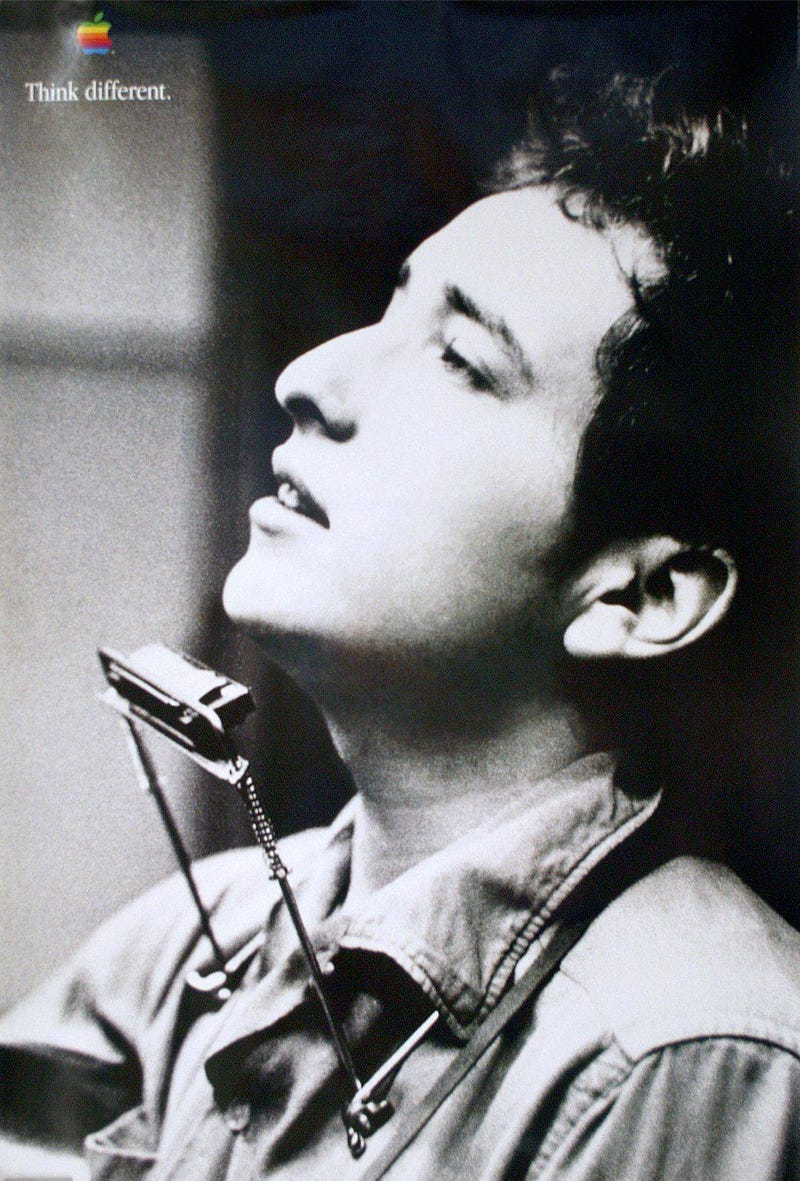
Jobs admired those with rebellious spirit and creativity. In that era, Dylan symbolized an independent spirit and inspired creative thinking. Of all the rebels he admired, Dylan was the person Jobs valued most. The heart of innovation also ran through Jobs’ life. He had always emphasized that “Apple’s uniqueness has nothing to do with processor speed and memory, but with creativity.”
The commercial “1984,” directed by Ridley Scott, was a revolutionary advertisement for Macintosh computers. It appeared as a rebellious young woman who surpassed Orwellian totalitarianism (an implication of George Orwell’s novel “1984”). Jobs liked this idea and thought it perfectly represented the zeitgeist of the personal computer revolution. In the late 1970s, the personal computer was regarded by young American people as a tool to give individuals power and freedom. Thus, Jobs portrayed Apple as a fashionable and rebellious brand. Jobs even quoted a Bob Dylan song in his speech introducing the Macintosh in the product release scene that year.
In the 1997 “In that craziness, we see genius” series, Apple created the most memorable print ad in history. This set of ads consisted of a group of black-and-white portraits. Each photo had a picture of an iconic historical figure (like Einstein, Gandhi, Lennon, Dylan, Picasso, etc.). All these characters were famous rebels and innovators in history. The visual design was highly pure, except for the portraits of these innovators, there were only Apple’s trademark and the words “Think different” in the corners. This expression directly points to the people’s hearts and emphasizes the core of brand rebellion and innovation. The spirit of seeking uniqueness has also been transformed into a part of Apple’s aesthetic attitude. (The irony is that once the non-mainstream becomes popular, the edge of independence disappears.)
Summary
Jobs’ artistic taste was the output of his personality, intuition, and acquired. He was born to resonate with the beauty of humanities, was passionate about the intersection between art and technology, and pursued pure spirit and intuition. Simple, pure, vivid, and enthusiastic… These are just a glimpse of his aesthetic preferences. But relying solely on Jobs’ aesthetics cannot create the Apple brand. His most incredible magic lies in his ability to combine his aesthetic intuition with business and spread his aesthetic attitude to countless people through Apple’s products and the brand.
On the other hand, without Jobs’ unique aesthetic taste and persistence in expressing beauty, there would be no Apple today. The uniqueness and competitiveness of Apple lie precisely in the combination of art, technology, and innovation. The enlightenment is that the need and love for aesthetic objects are rooted in everyone’s heart. Also, the pursuit of unique and meaningful beauty is one characteristic that distinguishes humans from intelligent machines. Therefore, we should not ignore the human expression of beauty when creating the product.
Follow up thinking
Reflecting on this article, I realized it needs to define design taste more clearly. Design taste is not artistic taste (although a designer with good artistic taste is likelier to have good design taste). Steve Jobs’ passion for creating products is to find a distinctive visual language by balancing the three goals in the chart below.
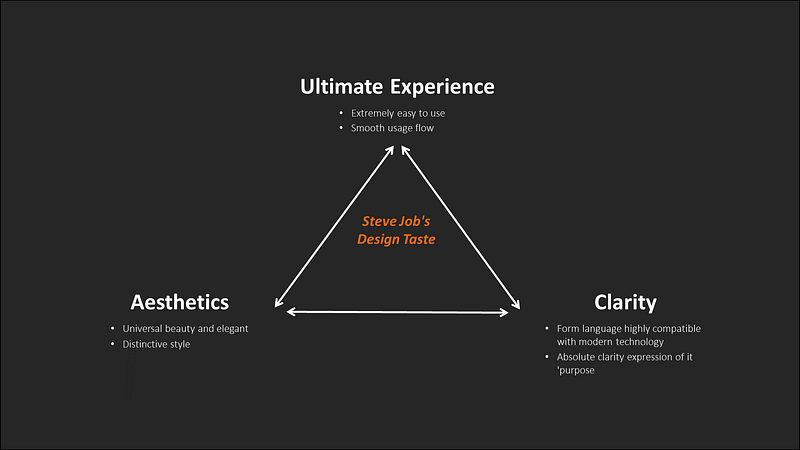
Good design taste is a far more complex ability system, which calls on natural talent and experience to find a harmonious /distinctive art language for the product through a delicate balance of complex factors like technology, product purpose, user experience, brand identity, etc.
Read more related articles:
Unique Aesthetics of Japanese Design
Teenage Engineering: Reshaping Electronics Through Aesthetic Design