
Step Inside Harry Potter’s Lacock Abbey
Just the place for witches and wizards to explore
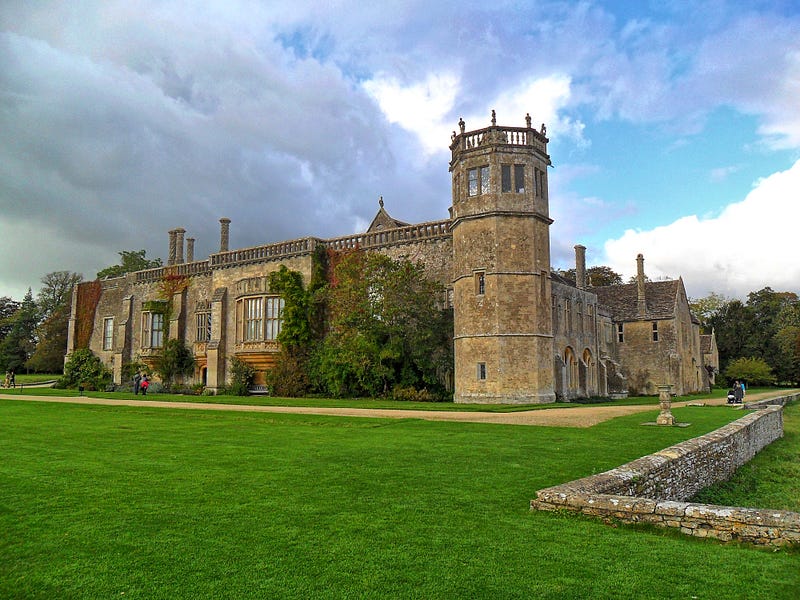
“Wow — I bet that has a few stories to tell!” I enthused as I peeked over the wall at the imposing towers of Lacock Abbey.
It was a bright Autumn day in the heart of the Wiltshire Countryside, England, and if the truth be known, we weren’t aware that the Abbey was a film location until we stepped through the arched doorway into the cloisters and instantly recognised the magnificent undercover walkway at Hogwarts.
“It’s just like Harry Potter!” I stage-whispered, with a twinkle in my eye. We stood aghast at the fairy-tale architecture of the gothic cloisters and it didn’t take long to establish that we were inside the film set of The Philosophers Stone and the Chamber of Secrets.
Excitedly, we pushed against the old creaky doors and ventured into the classrooms where Harry, Ron and Hermione practised their first spells. Grand arched pillars and gothic windows gave the ancient vaults a magical feel.
Stone coffins lay outside Professor Quirrell’s classroom whilst inside, a giant cauldron was displayed — an original feature from the Abbey kitchen.
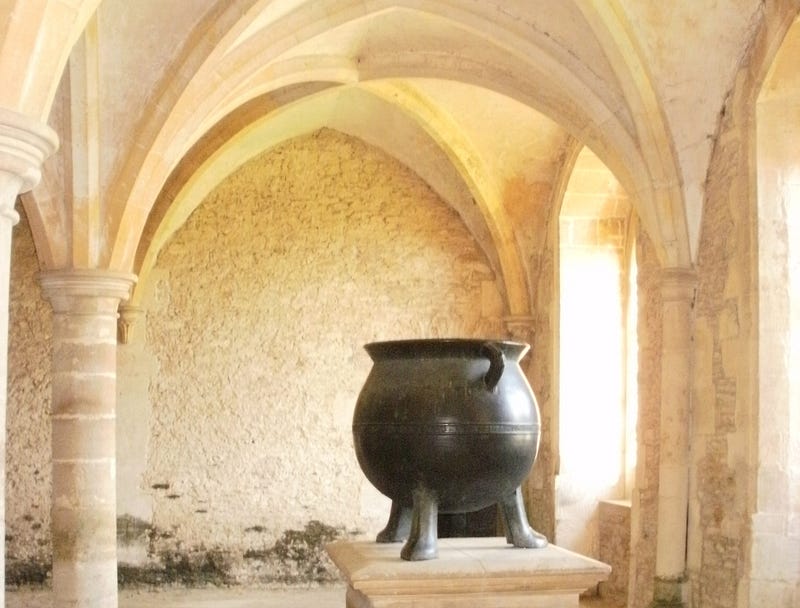
The Kitchen was part of the old servants’ quarters. They’re a historical throwback from when the Abbey was run as a stately home after the dissolution of the monasteries in the late 1530s.
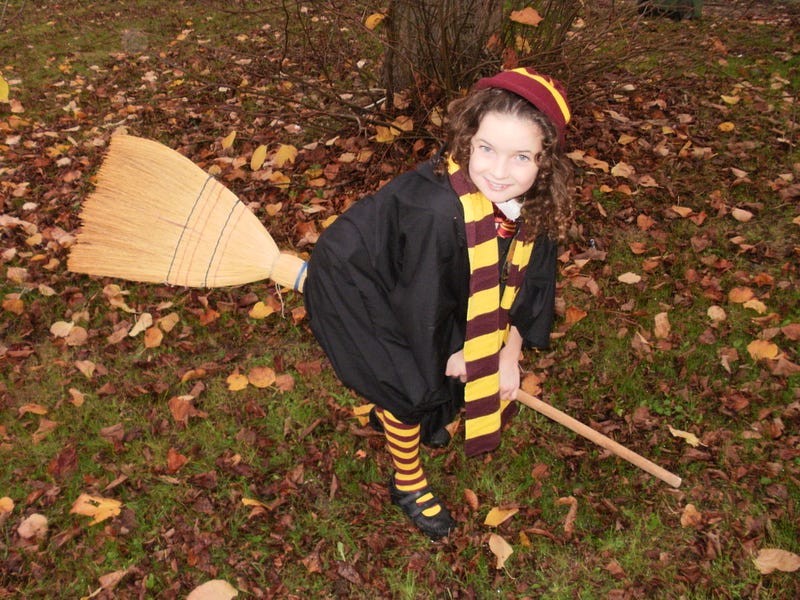
A small child in a black cloak walked past and I imagined Harry Potter flying past on his broomstick. I could feel the buzz of excitement and sense of anticipation from aspiring young wizards nearby.
As I gazed across the grassy courtyard to the cloisters opposite, a bony finger tapped my shoulder and I spun round to see Professor Snape looking sternly at me. I nearly jumped out of my skin!
Oh, my mistake, it was a National Trust volunteer donning a cardigan. He smiled and pointed out the mermaid figure carved into the cloister roof, saying it represented a brothel — he seemed to be suggesting that the nuns who once occupied the site might have been less than Godly.
The signs in the cloisters said otherwise: the nuns passed their inspections with flying colours and had a flawless reputation. So who to believe? Professor Snape shrugged — his version was more entertaining!
Onwards and upwards to the state rooms: We climbed the stone staircase to see how Henry F. Talbot lived. Talbot was a British inventor, and creator of the photographic negative. He inherited the property in the 19th century, enjoyed the quirkiness of the eccentric décor. It was commissioned by his grandfather, John Talbot, who converted the medieval grand hall into a gothic fantasy world of knights, wizards, gods and goddesses.
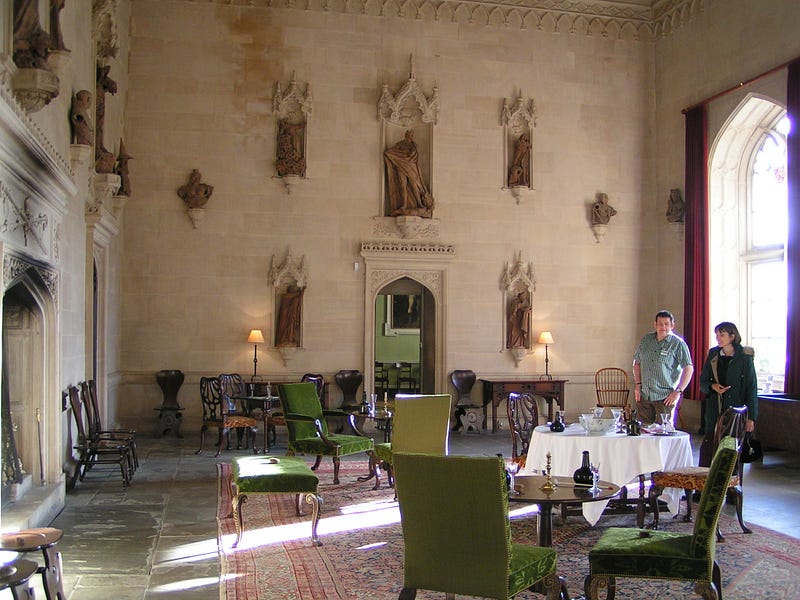
Designed for parties, this grand entrance hall contains a multitude of fantastical statues believed to represent Talbot family members and people from legend.
The coat of arms on the ceiling, enchanting statues, and dinner tables laid out for guests, make you feel like you’ve stepped into an exciting underworld of myth and magic. We wondered who would appear in a puff of green smoke in the fireplace… Tom Riddle perhaps? A frightening prospect!
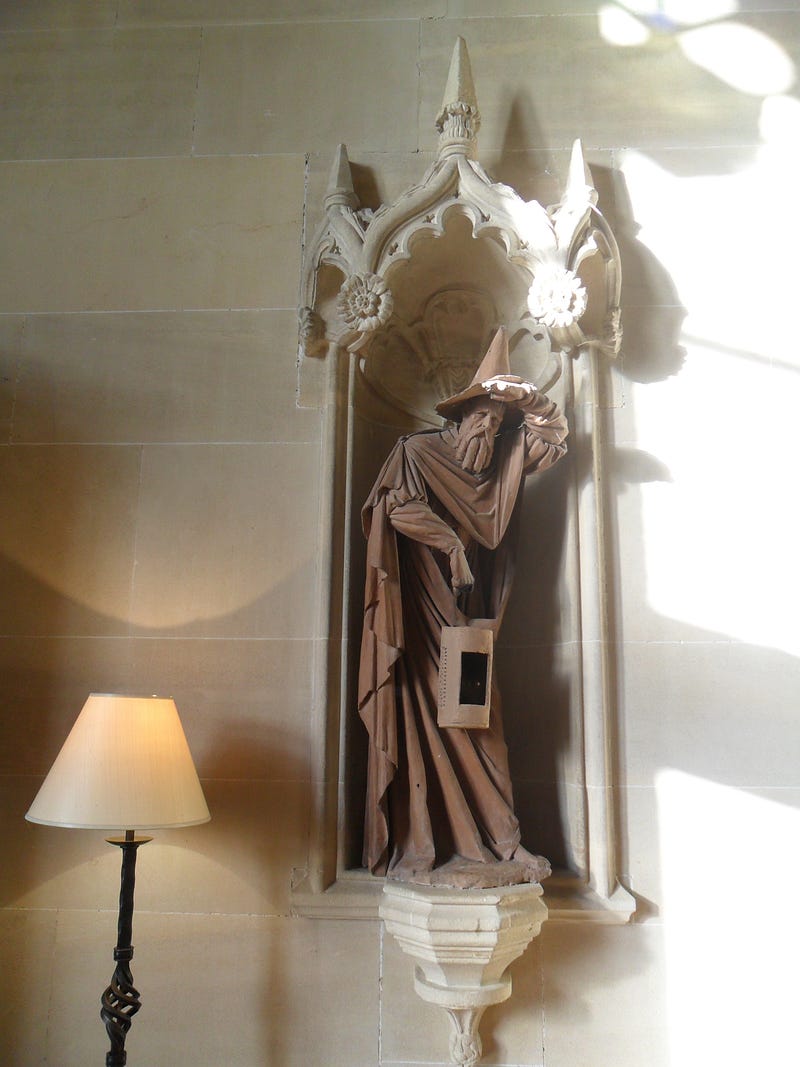
We wasted no time dashing into the adjacent room which has a dance floor where visitors are encouraged to try out their dance steps. As we passed through the state rooms, full of magical charm and history, we learnt that one of the bedrooms is reputedly haunted by an ugly dwarf whose body was found buried in the bedroom wall.
The guest quarters once housed aristocratic Ladies, left in the care of the nuns to ensure they were not tempted into sin whilst their husbands were away!
Other attractions include a charming octagonal safe room, and a grand crimson drawing room containing Talbot’s books and photographic memorabilia.
Outside, the lake is reputedly haunted by a beautiful lady in white. Some say this is the ghost of Rosamund Clifford, who was allegedly mistress to King Henry II, but this seems unlikely since they both died before the Abbey was built.
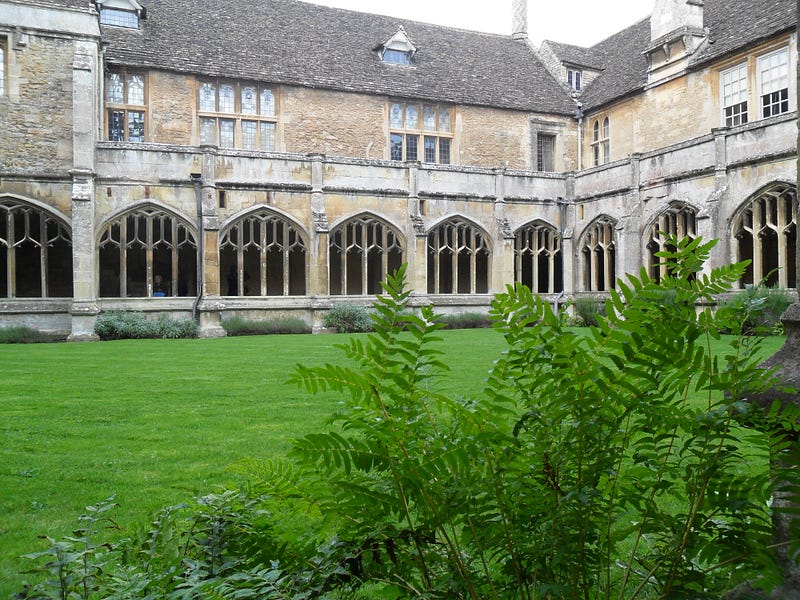
As we left the Abbey we were in awe of the place. Two cats, no doubt shape-shifting wizards, greeted us in the grounds, one in the garden and another on the way out. The Abbey is a fantastic place of history and legend, with a large pinch of modern fiction thrown in to add some sparkle.
Nearby, the Piccadilly Campsite welcomes young wizards and witches, along with their pet owls. The site is conveniently located just ten minutes on foot, or two minutes by broomstick, from the quaint village of Lacock. The night-bus passes the campsite but is invisible to muggles.
Ball games are welcomed but the pitch is not big enough for quidditch. Spells are discouraged because of fears that they might cause mayhem. Pet dogs, owls, and rats can be exercised in the adjoining field — but not all at the same time.
© Susie Kearley 2024. All Rights Reserved.
More from me…